

The most reliable way to maintain white teeth eating local foods is simpler than most people expect: choose foods that scrub, remineralize, or neutralize acids, limit contact time with pigmented drinks and sauces, and never brush immediately after anything acidic. Diet won’t erase deep stains already locked into enamel, but it absolutely prevents new ones from forming and keeps your smile looking brighter between professional cleanings.
Three rules that actually move the needle:
- Choose enamel-friendly foods at every meal. Crunchy vegetables, hard cheeses, and calcium-rich local staples like tempeh and fresh fish support enamel strength and create a mild scrubbing action. Listerine’s consumer guidance frames these as maintenance tools, not whitening treatments.
- Limit stain contact time. Drink pigmented beverages through a straw, rinse with plain water immediately after, and eat staining foods as part of a full meal rather than alone.
- Follow the brushing timing rule. MouthHealthy (ADA) recommends waiting 30–60 minutes after acidic foods or drinks before brushing, so you don’t push softened acid into enamel.
Pro Tip: Finish any meal that includes coffee, curry, or dark sauce with a few bites of raw carrot or a small cube of hard cheese. Both reduce pigment adherence before you can rinse.
Key Takeaways
Diet prevents new stains and supports enamel health, but reversing deep or intrinsic discoloration requires professional or product-level whitening.
| Point | Details |
|---|---|
| Eat enamel-supporting foods daily | Cheese, yogurt, fish, seeds, and crunchy vegetables remineralize enamel and reduce pigment adherence. |
| Limit stain contact time | Use a straw, rinse with water after staining drinks, and eat pigmented foods as part of full meals. |
| Follow the brushing timing rule | Wait 30–60 minutes after acidic foods before brushing to avoid pushing acid into softened enamel. |
| Use home remedies cautiously | Baking soda a few times per week is safe; avoid abrasive scrubs, undiluted peroxide, and direct acid application. |
| Getsmilefam for faster whitening | BLU Whitening Toothpaste and the Snow Serum™ Whitening Pen complement dietary maintenance when you need visible results. |
Table of Contents
- Foods that help you maintain white teeth eating local foods
- Common stain-causing foods and how to reduce their impact
- How food actually affects tooth color, and what it can’t do
- Meal swaps and timing rules you can use today
- Which home remedies are safe, which to skip, and when to see a dentist
- Why food-first maintenance is the strategy worth sticking with
- Faster results when diet alone isn’t enough
- Sources
Foods that help you maintain white teeth eating local foods
Healthline’s natural whitening summary identifies several food categories that support surface stain removal or enamel health. Here’s a practical list you can build meals around, with a note on how each one works.
-
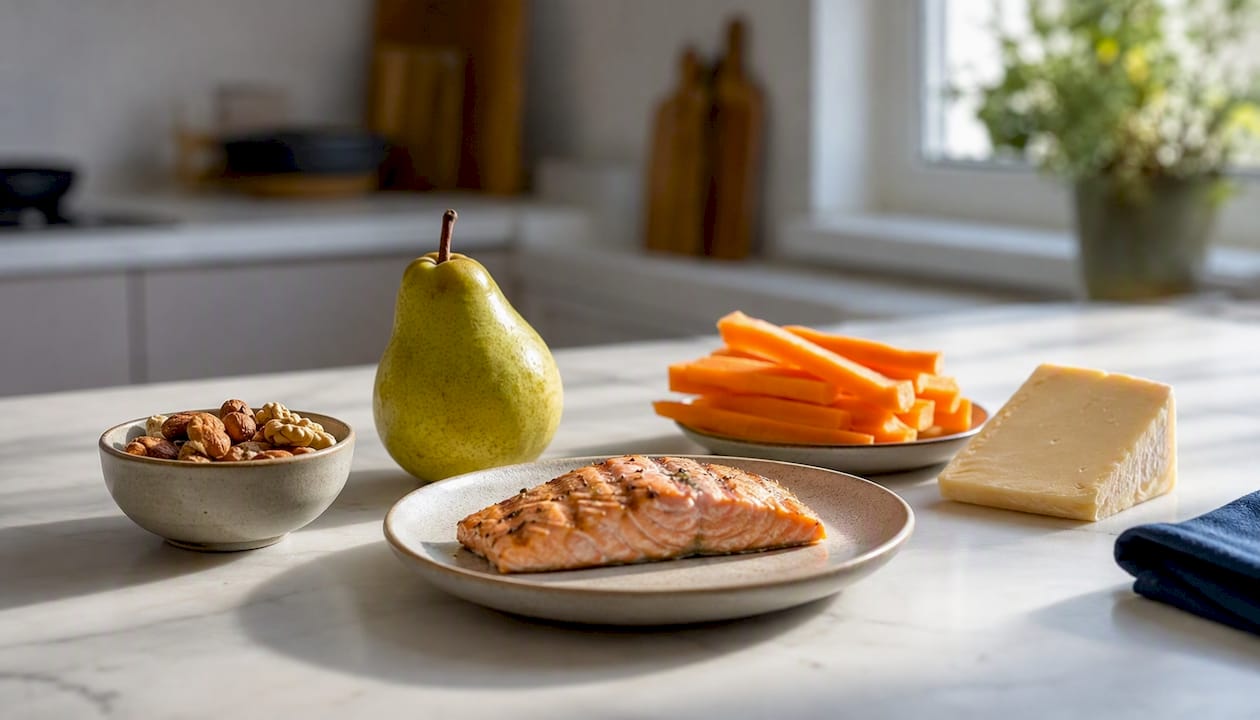
Crunchy raw vegetables (carrots, celery, jicama, cucumber). The fibrous texture acts like a mild mechanical scrub against the tooth surface and stimulates saliva flow, which rinses loose pigment. Jicama is widely available across Southeast Asian markets and works especially well as a between-meal snack.
-
Hard cheeses (cheddar, parmesan, local aged varieties). Cheese raises mouth pH after a meal, which slows acid attack on enamel. The casein protein in dairy also binds to tannins in tea and red wine, reducing how much pigment actually reaches the tooth surface.
-
Plain yogurt. Delivers calcium and phosphorus for remineralization without the pigment load of flavored varieties. A small serving after a staining meal is a practical swap.
-
Apples. High water content and firm texture produce a scrubbing effect. The mild malic acid in apples may help lift surface staining, though the effect is modest and maintenance-level.
-
Strawberries. Contain malic acid, which Healthline notes may help remove surface stains. Use them as a dessert swap rather than rubbing them directly on teeth, which risks enamel erosion over time.
-
Pineapple and papaya. Bromelain (pineapple) and papain (papaya) are enzymes that may help break down protein-based pellicle stains on the tooth surface. Both are common in tropical and Southeast Asian diets.
-
Moringa and leafy greens. Hydromed Bali’s local food guide highlights moringa as a calcium-dense green widely available in regional markets. Leafy greens also create a thin film on teeth that can reduce direct pigment contact.
-
Tempeh and fermented soy products. Tempeh supplies phosphorus and protein, both useful for enamel remineralization. It’s a practical local protein source in many Asian diets that doubles as a tooth-supportive food.
-
Fresh fish and seafood. Rich in phosphorus, which pairs with calcium to rebuild enamel mineral density. Sardines and small local fish eaten whole (bones included) deliver both minerals in one serving.
-
Seeds and nuts (pumpkin seeds, cashews, sesame). Phosphorus and calcium in a portable, low-sugar format. Pumpkin seeds and cashews appear in Hydromed Bali’s market guide as practical enamel-support options available at local markets.
-
Water-rich produce (cucumber, watermelon). High water content dilutes pigment and stimulates saliva. Watermelon also contains malic acid at low concentrations.
-
Cauliflower. Chewing raw cauliflower requires sustained effort, which produces more saliva and a longer scrubbing contact. Listerine lists it among foods that may help maintain tooth brightness.
| Mechanism | How it works | Local food examples |
|---|---|---|
| Mechanical scrubbing | Fibrous or firm texture removes loose surface pigment | Carrots, celery, jicama, cauliflower, apples |
| Enzyme/acid action | Enzymes or mild acids break down pellicle stains | Pineapple, papaya, strawberries |
| Mineral remineralization | Calcium and phosphorus rebuild enamel mineral density | Cheese, yogurt, tempeh, fresh fish, seeds |
Common stain-causing foods and how to reduce their impact
You don’t have to give up coffee or curry. The goal is reducing contact time and pairing stainers with protective foods.
The main culprits:
- Coffee and black tea. Tannins bind to the pellicle and create yellow-brown deposits. The darker the brew, the higher the tannin load.
- Red wine. Combines tannins, chromogens, and acid. A triple threat for staining.
- Dark berries (blueberries, blackberries, açaí). Deep pigments that adhere quickly to the pellicle.
- Tomato-based sauces. Acidic and deeply pigmented; the acid softens enamel while the pigment sets in.
- Curry and turmeric-heavy dishes. Curcumin is one of the most persistent staining compounds in food.
- Cola and dark energy drinks. Acid plus dark dye, a combination that softens enamel and deposits color simultaneously.
- Soy sauce and balsamic vinegar. Both are deeply pigmented and acidic; common in Asian and Mediterranean cooking.
Practical mitigations:
- Drink coffee, tea, and cola through a straw to reduce tooth contact.
- Rinse with plain water within a few minutes of finishing a staining drink or dish.
- Pair red wine or dark sauces with cheese or plain yogurt at the same meal; dairy protein binds tannins before they reach enamel.
- Eat staining foods as part of a full meal, not as a standalone snack, to reduce the total contact time per sitting.
- Follow a pigmented meal with a few bites of raw crunchy vegetable to mechanically clear loose pigment.
Pro Tip: Before a meal heavy in curry or tomato sauce, eat a small portion of raw greens or finish with a cube of hard cheese. Raising mouth pH and coating teeth with casein before the pigment arrives reduces how much color actually sticks.
How food actually affects tooth color, and what it can’t do
The tooth surface isn’t bare enamel. Within minutes of cleaning, a thin protein film called the acquired pellicle forms over it. Pigment molecules from food and drink bind to this pellicle rather than directly to enamel. Research indexed at PubMed (PMID 10518866) links pellicle composition with how readily stains adhere, which explains why two people drinking the same amount of coffee can end up with very different staining patterns.
Saliva is your mouth’s built-in defense. It neutralizes acids, physically rinses loose pigment, and delivers calcium and phosphate ions that remineralize enamel. Fibrous foods stimulate saliva flow, which is part of why crunchy vegetables work beyond just mechanical scrubbing. The MouthHealthy enamel overview explains how enamel structure and the pellicle interact with external substances.
Calcium and phosphorus, supported by Vitamin D, are the minerals enamel needs to stay dense and resist staining. Casein, the protein in dairy, does something particularly useful: it binds to tannins in tea and wine, forming a complex that’s less likely to deposit on the pellicle. Eating cheese with a tannic drink isn’t just a pairing preference; it’s a practical stain-reduction move.
| Mechanism | Food examples | Evidence level |
|---|---|---|
| Mechanical pellicle cleaning | Carrots, celery, apples, cauliflower | Consistent across multiple consumer and clinical sources |
| Enzyme-based stain breakdown | Pineapple (bromelain), papaya (papain) | Plausible; limited direct clinical trials |
| Tannin binding via casein | Cheese, plain yogurt | Supported by dairy-chemistry research |
| Enamel remineralization | Fish, tempeh, seeds, dairy | Well-established mineral physiology |
| Saliva stimulation | All fibrous foods | Broadly supported |
The realistic limit: diet-based strategies prevent new stains from forming and slow discoloration over time. They don’t reverse intrinsic staining (discoloration inside the enamel from aging, medications, or trauma) or lift deep extrinsic stains that have built up over years. For those, professional or at-home whitening is the appropriate next step.
Meal swaps and timing rules you can use today
Small, repeatable changes add up faster than a single dramatic overhaul.
Practical swaps:
- Coffee with a splash of milk instead of black coffee. Milk protein binds some tannins before they reach your teeth.
- Dark-berry smoothie → plain yogurt with banana and seeds. You keep the nutrition; you lose most of the deep pigment load.
- Tomato-sauce pasta → pasta with olive oil, greens, and a finishing chunk of parmesan. The cheese raises pH and coats teeth at the end of the meal.
- Black tea → green tea or herbal tea. Lower tannin content, less staining potential.
- Cola → sparkling water with citrus. Eliminates the dark dye entirely; the citrus acid is mild enough that a water rinse handles it.
Timing checklist:
- Wait 30–60 minutes before brushing after any acidic food or drink. Brushing sooner pushes acid into softened enamel.
- Rinse with plain water immediately after staining drinks, even if you can’t brush.
- Chew a fibrous vegetable or finish with hard cheese after pigmented meals to mechanically clear loose pigment and raise mouth pH.
Pro Tip: Traveling or eating at a street market? Carry a small bottle of water and take a few sips between bites of anything dark or acidic. A portable oral care kit makes it easy to keep this routine consistent on the go.
Which home remedies are safe, which to skip, and when to see a dentist
Not every DIY whitening idea circulating online is worth trying. Some are harmless adjuncts; others cause real enamel damage.
Reasonably safe, used correctly:
- Baking soda paste (a few times per week, max). Mild abrasive that removes surface staining. Healthline and Getsmilefam’s DIY whitening guide both note it’s effective for surface stains when used occasionally, not daily.
- Diluted hydrogen peroxide rinse (low concentration, short contact time, with caution). Some dentists use it as an adjunct; at-home use should follow product instructions carefully and stop if sensitivity develops.
- Oil pulling (coconut or sesame oil, 10–15 minutes). Considered a low-risk adjunct for oral hygiene. Evidence for whitening specifically is limited, but it poses minimal harm when used alongside regular brushing.
Skip these:
- Abrasive scrubs (activated charcoal, rough powders used aggressively). These remove pellicle and surface enamel, not just stain.
- Undiluted hydrogen peroxide applied directly to teeth.
- Rubbing acidic fruits (lemon, orange peel) directly on enamel. The acid softens enamel faster than the mild whitening effect is worth.
When to see a dentist:
- Staining that doesn’t respond to consistent dietary changes and surface cleaning over several weeks.
- A sudden color change in one or more teeth (can signal internal issues unrelated to diet).
- Tooth sensitivity that worsens or persists.
- Visible enamel erosion or translucency at the edges of teeth.
Professional cleaning removes calculus and deep extrinsic staining that no home method reaches. For intrinsic discoloration, professional whitening or a calibrated at-home kit is the appropriate route.
Why food-first maintenance is the strategy worth sticking with
Most whitening advice skips straight to products and misses the point. The real problem isn’t that people lack access to whitening treatments. It’s that they keep re-staining their teeth between treatments because nothing in their daily eating habits has changed.
Food-first maintenance doesn’t replace professional whitening when you need it. What it does is extend the gap between treatments, slow the rate of new staining, and keep enamel in better structural shape so whitening products work more effectively when you do use them. The combination of enamel-remineralizing foods, mechanical scrubbers, and smart timing is the most reliable daily maintenance approach available, and it costs nothing beyond what you’re already eating.
The one thing most people underestimate: consistency over weeks matters far more than any single “whitening food.” Eating an apple once won’t do much. Finishing every lunch with a crunchy vegetable and rinsing after your morning coffee, repeated daily, produces a measurable difference in surface staining over a month or two. That’s the version of this strategy that actually works.
Faster results when diet alone isn’t enough
Diet maintenance keeps your smile from getting worse. When you want it noticeably brighter, Getsmilefam’s BLU Whitening Toothpaste fits directly into the daily routine described in this article: use it in place of your regular toothpaste to get enamel-safe whitening with every brush, without harsh chemicals or sensitivity risk.
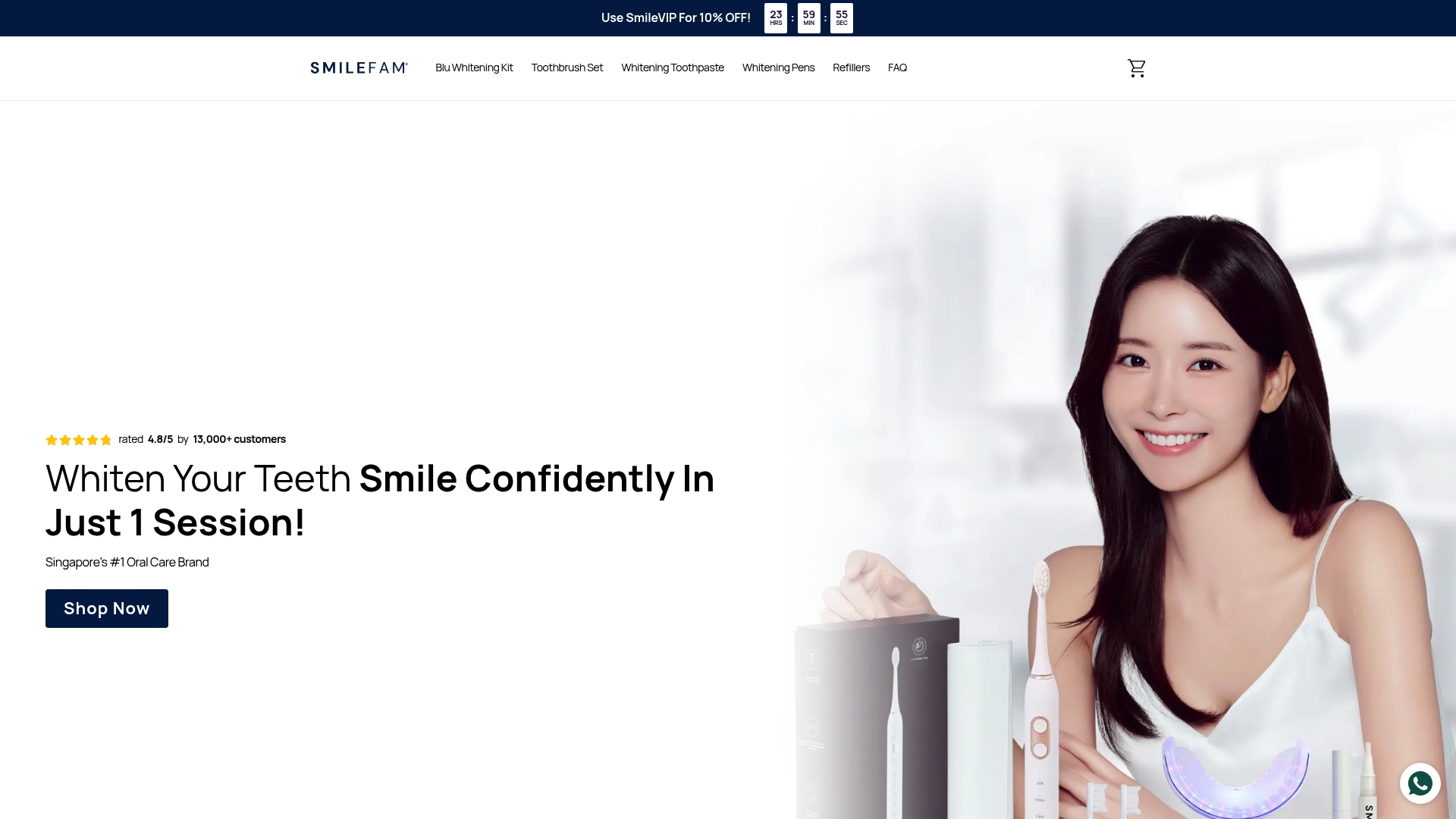
For faster, targeted results, the Snow Serum™ Whitening Pen uses Getsmilefam’s proprietary BLU Whitening Technology to deliver visible whitening in a single session. It’s the practical next step when dietary maintenance has done its job of preventing new stains but you want to lift the existing ones. Both products are formulated without harsh peroxide concentrations, making them suitable for sensitive gums. If you experience sensitivity, consult a dentist before continuing any whitening routine. Visit Getsmilefam to find the right option for your routine.
Sources
- How to Whiten Your Teeth Naturally at Home
- Ncbi
- Bali Market Guide: The Best Bali Foods for Strong Teeth - Hydromed Bali | Canggu | Seminyak
- 5 Foods and Drinks That Can Keep Your Teeth White - Listerine
This article is general information, not a substitute for advice from a qualified doctor. Consult a qualified healthcare professional about your own circumstances before acting on anything here.