

Lifestyle changes for whiter teeth are defined as consistent daily habits, dietary adjustments, and behavioral modifications that prevent surface staining and support enamel health to improve tooth brightness safely at home. These methods work by protecting the enamel’s smooth surface, which reflects light and creates the appearance of whiteness, rather than chemically bleaching the tooth structure. The most effective approaches combine optimized brushing routines, stain-fighting foods, and targeted home remedies like baking soda paste and oil pulling. This guide covers every practical step adults can take in 2026 to get noticeably brighter results without expensive dental visits.
1. Build a daily oral hygiene routine that prevents staining
The foundation of whiter teeth is a consistent brushing and flossing routine that removes plaque before it traps pigments from food and drink. Brushing twice daily for exactly two minutes with a soft-bristled brush is the primary defense against extrinsic staining. Pressing too hard or using a stiff brush wears down enamel over time, which exposes the yellow dentin underneath and defeats the purpose entirely.
Flossing once daily removes the plaque and food debris that your brush cannot reach between teeth. Skipping this step means stain-causing compounds sit in contact with enamel for hours. Rinsing with water immediately after meals adds another layer of protection by washing away chromogens before they bind to the tooth surface.

Pro Tip: Switch to an electric toothbrush. Models like the Oral-B iO Series or Philips Sonicare DiamondClean remove significantly more plaque than manual brushing, which directly reduces the surface buildup that traps stains.
2. Time your brushing correctly to protect enamel
One of the most counterproductive habits in oral care for whiter teeth is brushing immediately after acidic foods or drinks. Brushing right after acid exposure softens enamel temporarily and accelerates wear, which increases dentin visibility and causes long-term yellowing. Dentists recommend waiting at least 20 to 60 minutes before brushing after consuming citrus, soda, vinegar-based foods, or wine.
This timing rule surprises most people because it feels counterintuitive. The instinct is to clean immediately, but the acid has already done its work on the enamel surface. Rinsing with plain water right after the meal neutralizes the acid environment without the mechanical damage of brushing.
3. Eat the best foods for whiter teeth
Raw apples, carrots, and celery act as natural scrubbers that physically remove surface plaque while stimulating saliva production. Saliva neutralizes acids and remineralizes enamel, making it one of the mouth’s most powerful natural defenses. Dairy products like cheese and plain yogurt supply calcium and phosphorus that directly support enamel remineralization and maintain a neutral oral pH.
Strawberries contain malic acid, which has a mild surface-brightening effect. Use them sparingly as a dietary addition rather than a paste applied directly to teeth, since the acid content can cause enamel softening with overuse. Staying well hydrated with water throughout the day acts as a continuous rinse, flushing away pigment-rich compounds before they settle.
Here is a quick reference for the impact of diet on tooth color:
| Food or drink | Effect on tooth color |
|---|---|
| Apples, carrots, celery | Remove surface plaque, stimulate saliva |
| Cheese, yogurt | Remineralize enamel, raise oral pH |
| Coffee, red wine, tea | Deposit chromogens that stain enamel |
| Berries, tomato sauce | High pigment, increases stain risk |
| Water | Rinses away staining compounds |
4. Understand what foods and drinks stain teeth most
No food chemically whitens teeth. This is one of the most persistent misconceptions in at-home dental care. What diet actually does is either support the oral environment that resists staining or introduce chromogens that bind to enamel pellicle and cause discoloration. Coffee, black tea, red wine, and dark sodas are the top staining beverages because they combine acidity, chromogens, and tannins in a formula that adheres aggressively to enamel.
Knowing this distinction changes how you approach your diet. You are not eating to bleach your teeth. You are eating to keep the enamel surface smooth and the oral environment stain-resistant. That is a more realistic and sustainable goal, and it is one that daily habits for brighter smiles consistently support over weeks and months.
5. Adopt behaviors that prevent new staining
Behavioral modifications are among the most direct lifestyle changes for whiter teeth because they reduce the contact time between staining agents and enamel. Using a straw when drinking coffee, iced tea, or soda routes the liquid past the front teeth, cutting direct exposure significantly. This one habit alone makes a measurable difference for people who drink multiple cups of staining beverages daily.
Rinsing with water within 30 seconds of consuming staining foods or drinks reduces chromogen binding to the enamel pellicle by roughly 50%. That is a substantial reduction from a zero-cost habit that takes five seconds. Spacing out meals and avoiding constant snacking also matters because frequent eating keeps the oral pH acidic for longer stretches of the day, which softens enamel and makes it more receptive to staining.
- Use a straw for coffee, iced tea, and dark sodas
- Rinse with water within 30 seconds of staining foods or drinks
- Limit staining beverages to set times rather than sipping throughout the day
- Avoid constant snacking to allow saliva to restore oral pH between meals
Pro Tip: If you drink coffee every morning, pair it with a glass of water and finish the coffee in one sitting rather than nursing it over two hours. Prolonged exposure multiplies staining far more than the total volume consumed.
6. Quit tobacco to stop the deepest staining
Smoking and tobacco use create deep, persistent yellow-brown stains from tar and nicotine that penetrate beyond the surface enamel into the tooth structure itself. These are not surface stains that a whitening toothpaste or baking soda paste can address. Quitting tobacco is the only effective intervention for this type of discoloration, and no lifestyle change for whiter teeth produces results while tobacco use continues.
The staining from tobacco also accelerates gum disease and bone loss, which affect the overall appearance of the smile beyond just color. Cessation programs like those offered through the American Lung Association’s Freedom From Smoking or the CDC’s SmokefreeTXT provide structured support for quitting. The cosmetic benefit of stopping is visible within weeks as surface layers begin to respond to whitening routines.
7. Use baking soda paste safely as a home remedy
Baking soda is one of the most studied natural teeth whitening methods and works by mild mechanical abrasion that removes surface stains without the chemical aggression of peroxide-based products. Used as a paste two to three times per week, it produces visible surface-stain reduction within 10 to 14 days. That timeline is realistic and worth setting as an expectation before you start.
The critical limit is frequency. Overuse of abrasive substances like baking soda increases enamel surface roughness and reduces microhardness, which paradoxically makes teeth more prone to staining over time because rough enamel traps pigments more easily. Two to three times per week is the ceiling, not the floor. You can explore safe natural whitening methods in more detail to understand which approaches protect enamel while still delivering results.
8. Try oil pulling as a low-risk daily habit
Oil pulling involves swishing one tablespoon of coconut oil or sesame oil in the mouth for 10 to 20 minutes, typically first thing in the morning before eating. The practice reduces oral bacteria and surface film that contributes to staining. It requires four to six weeks of daily use to produce one to three shade improvements, which makes it a slow but genuinely low-risk addition to a whitening routine.
Oil pulling does not replace brushing and should be done before, not after, your morning brush. The mechanism is primarily antibacterial and film-reducing rather than bleaching. For people with sensitive teeth who cannot tolerate peroxide-based products, oil pulling is one of the few whitening options for sensitivity that carries virtually no enamel risk.
9. Know what to expect from natural methods versus professional treatment
Setting realistic expectations is the part most at-home whitening guides skip. Here is a direct comparison:
| Method | Shade improvement | Timeline | Main risk |
|---|---|---|---|
| Baking soda paste | Surface stain removal | 10 to 14 days | Enamel abrasion if overused |
| Oil pulling | 1 to 3 shades | 4 to 6 weeks | Minimal |
| Hydrogen peroxide rinse (low concentration) | 1 to 3 shades | 4 to 6 weeks | Gum irritation if overused |
| Professional whitening | 6 to 8 shades | Single session | Temporary sensitivity |
Natural methods work best for maintaining brightness and removing surface stains from daily habits. They are not substitutes for professional treatment when intrinsic staining from aging, medications, or genetics is the primary issue. Professional cleanings remove tartar that traps deep stains, and without them, even the best home routines eventually plateau. Scheduling a professional cleaning every six months keeps the baseline clean enough for lifestyle changes to have visible impact.
Key takeaways
Consistent daily habits and smart dietary choices are the most reliable path to naturally brighter teeth, and they work by protecting enamel integrity rather than chemically bleaching the tooth.
| Point | Details |
|---|---|
| Brush correctly, not aggressively | Two minutes twice daily with a soft brush prevents staining without enamel damage. |
| Time brushing after acid exposure | Wait 20 to 60 minutes after acidic foods to avoid accelerating enamel wear. |
| Diet prevents stains, it does not bleach | Apples, cheese, and water support enamel health; no food chemically whitens teeth. |
| Natural remedies have real but moderate results | Baking soda and oil pulling deliver 1 to 3 shade improvements over weeks, not days. |
| Professional cleanings are non-negotiable | Tartar removal every six months keeps home routines effective long-term. |
Why I think most whitening advice misses the real point
Most articles on this topic treat whitening as a product problem. Buy the right strip, the right toothpaste, the right pen. What I have found after years of covering dental aesthetics is that the people with consistently bright smiles are not the ones buying the most products. They are the ones who have made a handful of small, boring habits completely automatic.
The timing rule around acidic foods is a perfect example. Almost nobody follows it, yet it is one of the highest-leverage changes you can make. Enamel that stays intact reflects light cleanly. Smooth enamel is the actual mechanism behind a bright smile, not chemical whitening. Once you understand that, the entire strategy shifts from “what product removes stains” to “how do I keep my enamel smooth and my oral environment clean.”
The other thing I would push back on is the idea that natural methods are slow and therefore not worth it. They are slow compared to professional treatments, yes. But they are also free, safe, and cumulative. A person who rinses after every staining drink, uses a straw, brushes correctly, and adds baking soda twice a week will see real change in a month. That is not a minor result. It is the kind of change that makes people ask what you have been doing differently.
Consult a dentist if your staining is intrinsic, meaning it comes from inside the tooth due to aging, fluorosis, or medication. No lifestyle change addresses that. But for the vast majority of adults dealing with surface staining from diet and habits, the answer is not a more expensive product. It is a more consistent routine.
— Lenney
How Getsmilefam supports your whitening routine
Lifestyle changes lay the groundwork, but pairing them with the right at-home tool accelerates your results without compromising enamel safety. Getsmilefam’s Snow Serum™ Whitening Pen uses BLU Whitening Technology developed in Singapore, with a formula free of harsh hydrogen peroxide and designed for sensitive gums. It fits directly into the daily habits described in this guide, taking under a minute to apply after your regular brushing routine.
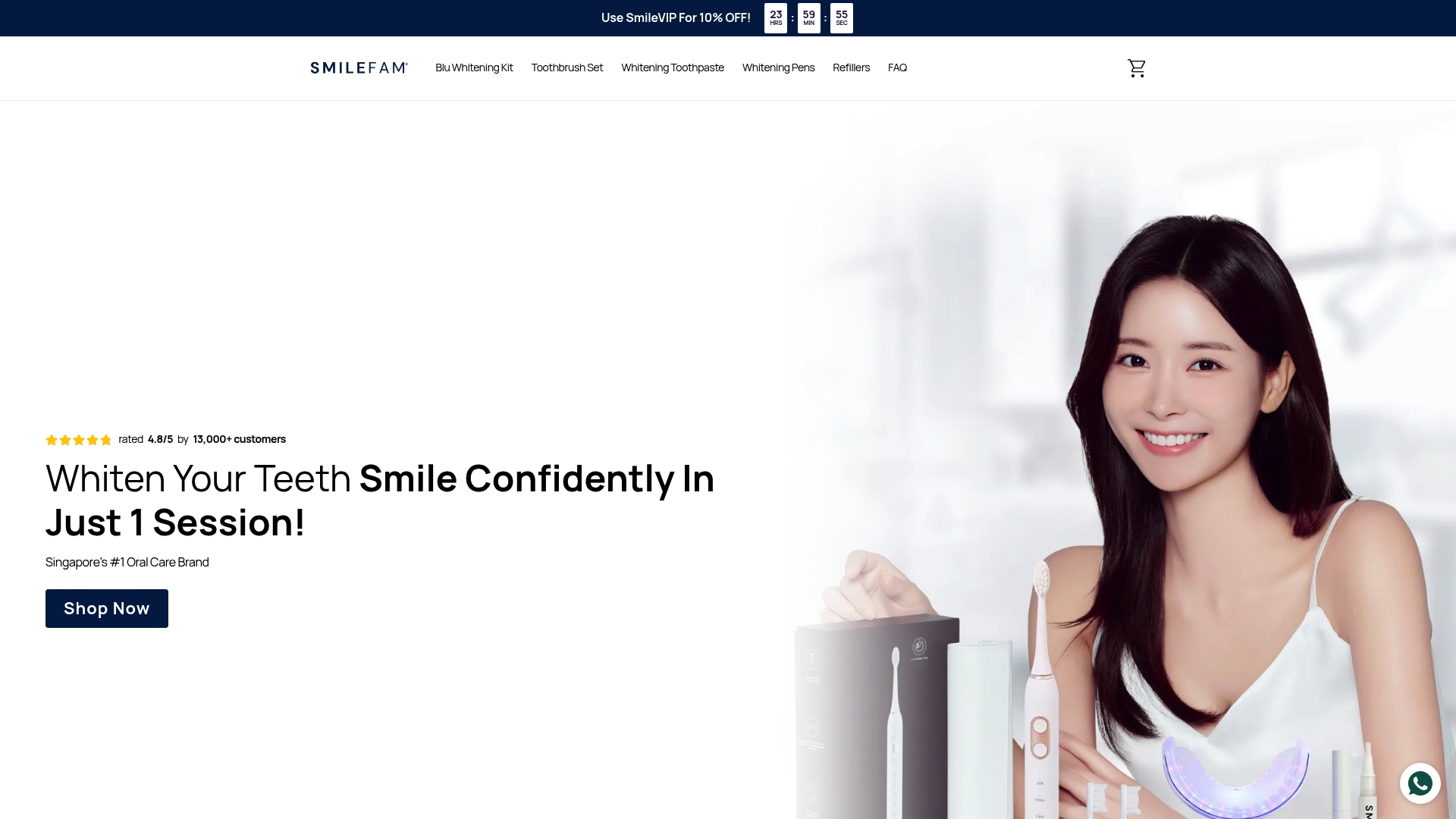
For those who want a complete solution on the go, the Premium Travel Kit keeps your oral care routine consistent whether you are at home or traveling. Getsmilefam also backs its products with a one-year warranty, which reflects the confidence behind the formulas. Browse the Getsmilefam blog for more practical guidance on safe, effective at-home whitening that works alongside the lifestyle changes you are already building.
FAQ
What are the fastest lifestyle changes for whiter teeth?
Rinsing with water within 30 seconds of staining drinks and using a straw for coffee or tea produce results immediately by reducing chromogen contact with enamel. Pairing these with twice-daily brushing creates a visible difference within two to four weeks.
How long does baking soda take to whiten teeth?
Baking soda paste used two to three times per week produces visible surface-stain reduction in 10 to 14 days. Exceeding this frequency risks enamel abrasion, which increases long-term staining risk.
Can diet alone whiten teeth naturally?
No food chemically whitens teeth. Dietary choices like eating apples, cheese, and celery support enamel health and reduce stain formation, but they do not bleach the tooth structure. They work by keeping the oral environment stain-resistant rather than removing existing discoloration.
Does oil pulling actually work for teeth whitening?
Oil pulling with coconut or sesame oil reduces oral bacteria and surface film, producing one to three shade improvements after four to six weeks of daily use. It is a low-risk complement to brushing, not a replacement for it.
When should you see a dentist instead of using home methods?
Professional care is necessary when staining is intrinsic, meaning it originates inside the tooth from aging, medications, or fluorosis. Professional cleanings every six months are also required to remove tartar that home routines cannot address, keeping lifestyle-based whitening effective over time.