

Not every whitening product delivers celebrity-level results overnight, and believing otherwise is the fastest way to waste money or damage your enamel. Teeth whitening results explained properly means understanding that outcomes depend on the product type, peroxide concentration, your stain history, and how consistently you apply treatment. For buyers across Southeast Asia searching for affordable, fast, and safe options, the difference between a good choice and a frustrating one often comes down to knowing what to expect before you buy. This guide covers all of it, including the science, the methods, the longevity, and the realistic limits.
Table of Contents
- How teeth whitening works and what results to really expect
- Comparing popular at-home whitening methods and their typical outcomes
- How long teeth whitening results last and what affects their longevity
- Safety considerations: sensitivity, enamel health, and product misuse risks
- What teeth whitening can and cannot do: realistic expectations
- Why smarter teeth whitening beats chasing instant perfection
- Explore SmileFam’s trusted at-home whitening solutions
- Frequently asked questions
Key Takeaways
| Point | Details |
|---|---|
| Understand whitening chemistry | Teeth whitening uses peroxide to break down stains inside enamel and dentin, with stronger gels whitening faster but causing more sensitivity. |
| At-home methods differ | Custom trays and whitening strips offer 2-6 shade improvements over weeks with gentler formulas suited for home use. |
| Results last 6-12 months | Whitening effects fade due to diet and habits; maintaining brightness requires avoiding stains and scheduling regular touch-ups. |
| Sensitivity is common but manageable | Tooth sensitivity peaks shortly after whitening but usually resolves; using desensitizers and following guidelines reduces discomfort. |
| Realistic expectations matter | Not all teeth whiten equally; restorations won’t change color; 2-3 shades lighter often looks dramatically better and natural. |
How teeth whitening works and what results to really expect
Every whitening product, from in-office treatments to drugstore strips, relies on the same core chemistry. Peroxide molecules (either hydrogen peroxide or carbamide peroxide) penetrate the outer layer of your tooth and oxidize the pigmented compounds sitting inside the enamel and dentin. Think of it like bleaching a stained shirt from the inside out. The stain does not disappear off the surface. It breaks apart at a molecular level.
The concentration of peroxide determines how fast and how dramatically that process works. In-office treatments use 15 to 43% hydrogen peroxide, which is why a single in-office session can achieve 3 to 8 shades lighter. At-home products use much gentler concentrations to reduce sensitivity risk.
Here is what affects your individual results:
- Stain origin: Surface stains from coffee and tea respond quickly. Deep, intrinsic stains from antibiotics or fluorosis are far more resistant.
- Enamel thickness: Thinner enamel lets peroxide reach dentin faster, which can amplify both results and sensitivity.
- Starting tooth color: Naturally yellow teeth whiten noticeably. Grayish or brownish tones respond more slowly.
- Product concentration: Higher concentration means faster results but higher sensitivity risk.
- Treatment consistency: Skipping sessions delays results significantly.
If you have sensitive teeth, whitening for sensitive teeth requires a gentler formula and a longer treatment window, but it absolutely still works.
Comparing popular at-home whitening methods and their typical outcomes
Understanding teeth whitening types explained side by side makes choosing much easier. The three main at-home options each sit in a different spot on the efficacy vs. sensitivity spectrum.
Custom-fitted trays use 15 to 16% carbamide peroxide and represent the gold standard for at-home use. Custom trays worn daily for 2 to 4 weeks achieve 4 to 6 shades improvement, making them the closest thing to professional results without the clinic price tag. The tight fit ensures gel stays on teeth, not gums.
Whitening strips are the most popular over-the-counter option across Southeast Asia. OTC strips with 14% hydrogen peroxide used daily for 20 days deliver 2 to 5 shades lighter results. They are convenient, affordable, and widely available in most markets.
Lower-strength OTC kits and pens use concentrations below 10% and work more gradually. Less sensitivity, but you need to be patient and consistent.
| Method | Peroxide % | Shades improved | Treatment time | Sensitivity risk | Approx. cost (USD) |
|---|---|---|---|---|---|
| In-office professional | 15 to 43% HP | 3 to 8 | 1 session | High | $300 to $800 |
| Custom trays (at-home) | 15 to 16% CP | 4 to 6 | 2 to 4 weeks | Medium | $100 to $300 |
| Whitening strips | 14% HP | 2 to 5 | About 20 days | Low to medium | $30 to $60 |
| OTC kits and pens | Under 10% | 1 to 3 | 4 to 8 weeks | Low | $10 to $40 |
HP = hydrogen peroxide. CP = carbamide peroxide.
Key takeaways when shopping:
- Carbamide peroxide breaks down slowly into hydrogen peroxide inside the mouth, meaning it acts more gently and is better suited for extended at-home wear.
- Consistency matters more than concentration for most at-home users.
- The at-home whitening benefits go beyond cost savings. You control the pace and sensitivity level.
- For safe at-home whitening tips, always follow product instructions and never double up on application time thinking it will speed results.
Pro Tip: In the humid climates across Southeast Asia, heat and moisture accelerate peroxide breakdown in whitening gels. Store your gels in the refrigerator (not the freezer) to preserve their potency throughout the treatment period.
How long teeth whitening results last and what affects their longevity
Knowing how long whitening results last is where most people’s expectations break down. Results do not disappear overnight, but they are not permanent either.
Professional whitening results last 6 to 12 months, with 70 to 80% of people still measurably whiter than their baseline at the 12-month mark. At-home treatments with lower concentrations may fade more quickly, but smart maintenance extends the window considerably.
“Most people retain 70 to 80% of whitening brightness 12 months post-treatment.” — DentalPedia
What accelerates discoloration:
- Coffee, tea, and red wine are the biggest culprits in Southeast Asia, where tea drinking especially is part of daily culture.
- Tobacco use stains enamel quickly and aggressively.
- Dark sauces like soy sauce and tamarind-based dishes can re-stain teeth faster than most people realize.
- Poor hydration during the day means less saliva, which normally rinses staining compounds off teeth naturally.
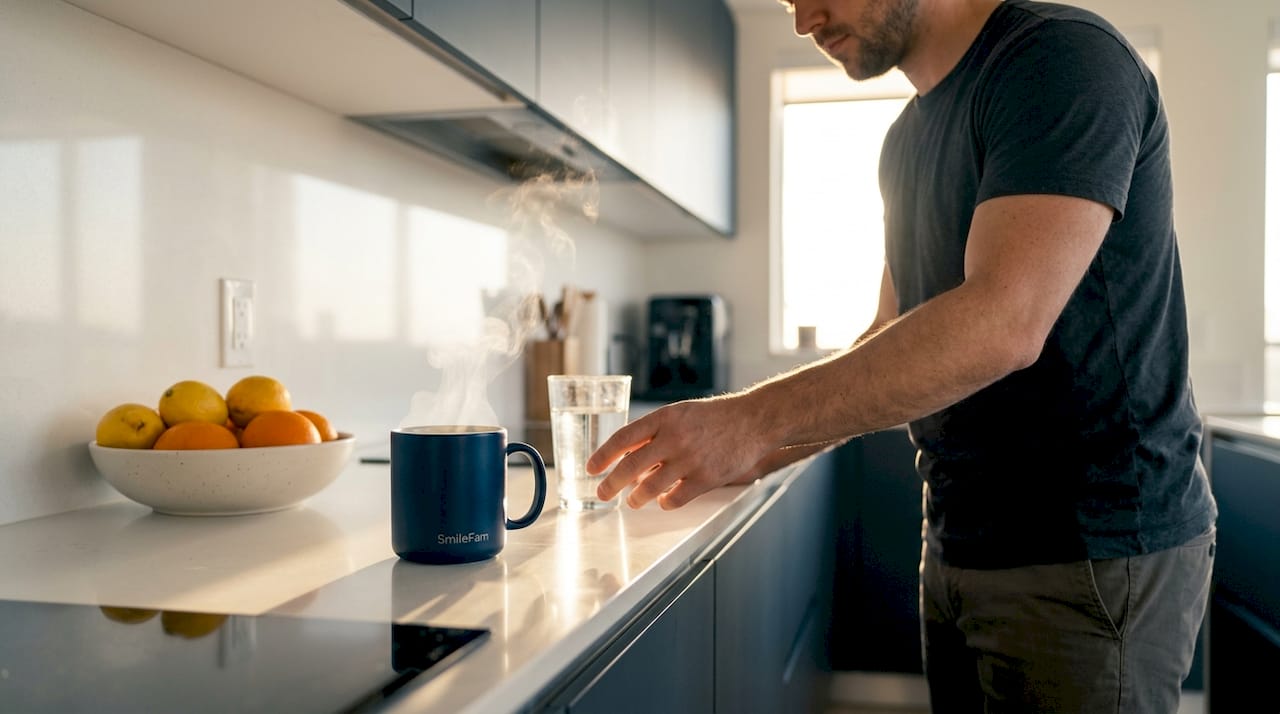
The 48-hour window after whitening is critical. Enamel is most porous immediately after treatment, which makes it more susceptible to re-staining. Avoid dark foods and drinks during this period and you will significantly extend your results.
Repeating professional whitening every 6 to 12 months is recommended to allow enamel recovery time between sessions. At-home touch-ups are gentler and can be used more frequently for maintenance. Pair touch-ups with maintaining whitening safely and you protect both brightness and enamel health.
Pro Tip: A whitening pen maintenance routine used twice weekly after your initial treatment cycle is one of the most affordable ways to hold your results without restarting a full course of treatment.
Safety considerations: sensitivity, enamel health, and product misuse risks
Teeth whitening safety is a real concern, but it is also frequently overstated by people who misuse products. When used correctly, peroxide-based whitening is well-researched and considered safe for most adults.
At-home products are limited to 10% peroxide concentration, and for good reason. Higher concentrations increase sensitivity risk in 25 to 50% of users. This is not a minor discomfort for everyone. For some, it is sharp, lingering pain that disrupts sleep and eating.
Hydrogen peroxide whitens faster but triggers more sensitivity than carbamide peroxide, which releases its active compound more slowly. If you have naturally sensitive teeth or thin enamel, carbamide peroxide formulas are worth the extra wait.
Follow these steps to use at-home whitening products safely:
- Get a dental check first. Cavities, cracked enamel, or gum disease need to be addressed before whitening.
- Start with the lowest concentration available in your chosen product type.
- Follow the product’s timing directions exactly. Wearing strips or trays longer does not speed up results. It increases damage risk.
- Monitor your sensitivity daily. If pain lasts more than 48 hours, stop and rest for a week.
- Never use DIY high-concentration hydrogen peroxide solutions (like 35% food-grade peroxide sold online). The risk of chemical burns to gums and soft tissue is severe and the results are not proportionally better.
For managing whitening sensitivity, use a desensitizing toothpaste containing potassium nitrate starting one week before your whitening course. It pre-conditions nerve endings in teeth and meaningfully reduces post-treatment discomfort.
Pro Tip: Schedule a professional dental cleaning before starting any whitening treatment. Surface tartar and plaque block gel contact with enamel, leading to uneven results. A clean surface means more even, predictable whitening.
What teeth whitening can and cannot do: realistic expectations
Understanding teeth whitening effectiveness means accepting both its power and its limits. Most people underestimate how visible a 2 to 3 shade improvement actually looks.
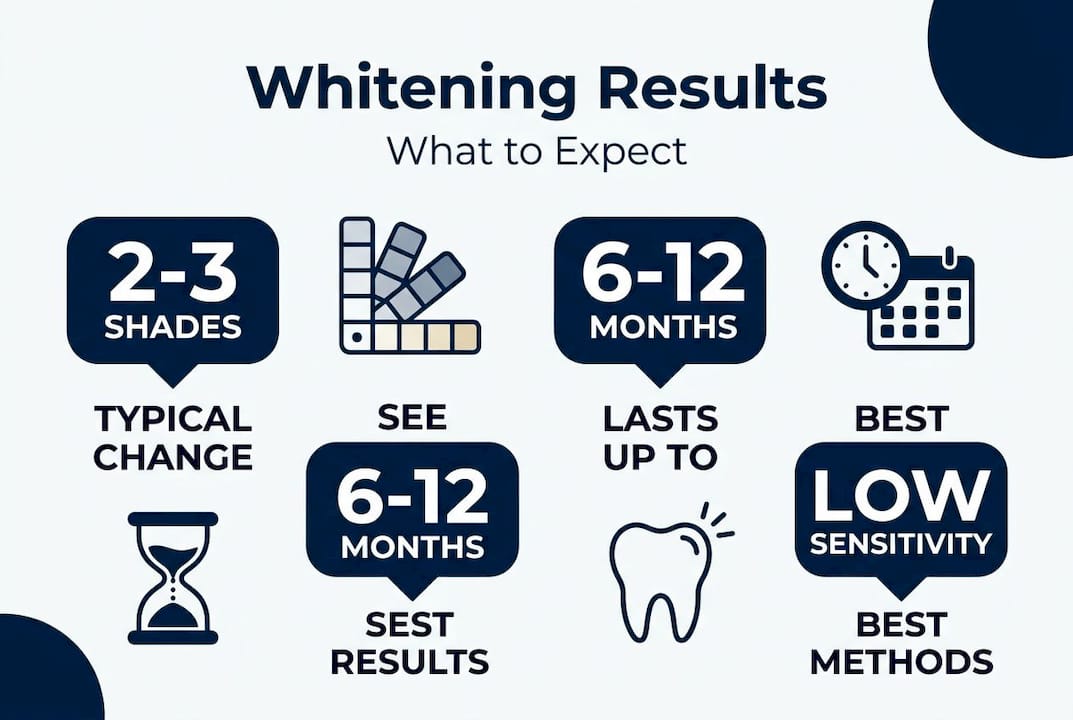
Two to three shades lighter is noticeably dramatic in person, especially in photos and on video calls. You do not need to aim for the whitest shade on the dental shade guide to see a real confidence boost. In fact, over-whitening can produce an unnatural, blue-tinged appearance that looks less healthy than a moderate, warm white.
Crowns, veneers, and fillings do not respond to whitening, which is one of the most overlooked facts in cosmetic teeth whitening explained. If your visible front teeth include any restorations, whitening your natural teeth without dental planning creates visible color mismatch. This is not a reason to avoid whitening. It is a reason to talk to your dentist first.
Factors that influence your whitening outcome:
- Stain type: Yellow surface stains from food and drinks respond best. Brown tones are moderate. Gray or blue-gray intrinsic stains from tetracycline antibiotics respond poorly to peroxide.
- Enamel porosity: More porous enamel absorbs whitening gel faster, but also re-stains faster.
- Product strength: Stronger is not always better. Match strength to your stain type and sensitivity level.
- Consistency: Missing multiple sessions resets progress and extends total treatment time.
| Method | Typical shade gain | Best for | Cannot whiten |
|---|---|---|---|
| In-office treatment | 3 to 8 shades | Deep stains, fast results | Restorations |
| Custom trays | 4 to 6 shades | Moderate stains, gradual | Restorations |
| Strips | 2 to 5 shades | Surface stains | Restorations |
| Pens and OTC kits | 1 to 3 shades | Maintenance, mild stains | Restorations |
Looking at whitening cost-effectiveness across these methods, at-home options consistently deliver the best value per shade gained, particularly for buyers in Southeast Asia where clinic prices can exceed several months of salary.
Why smarter teeth whitening beats chasing instant perfection
Here is an opinion most whitening content will not say out loud: the obsession with dramatic, fast results is the number one reason people hurt their enamel or feel disappointed by whitening. And the marketing around in-office treatments feeds that obsession.
Aggressive whitening increases sensitivity without proportional color improvement. Going from 3 shades lighter to 6 shades lighter is meaningful. Going from 6 to 9 in a single session with maximum peroxide concentration mostly just means 72 hours of tooth pain and a higher chance of enamel damage. The marginal color gain is rarely worth the cost.
“More is not always better — smart whitening respects your enamel.” — Dr. Lars Johnson
What actually works, long term, is a personalized approach. If you have yellow surface stains from years of coffee and tea (extremely common across Southeast Asia), a consistent at-home routine using moderate-concentration carbamide peroxide or a quality whitening pen will outperform a one-time aggressive in-office blast in terms of both cost and sustained brightness.
Signs that someone is approaching whitening intelligently:
- They consult a dentist before starting, especially if they have existing restorations or sensitivity.
- They set a realistic shade goal (2 to 4 shades lighter) rather than chasing the maximum.
- They prioritize gradual, consistent improvement over a single dramatic session.
- They use maintenance products between cycles to hold results.
- They avoid DIY extremes like oil pulling with hydrogen peroxide or using industrial-grade bleach.
The best teeth whitening methods for long-term satisfaction are almost always the ones that work with your enamel rather than against it. For those with sensitivity concerns, sensitive whitening advice built around lower-concentration, longer-duration approaches consistently produces more satisfying results than rushing.
Explore SmileFam’s trusted at-home whitening solutions
If this guide has given you a clearer picture of what whitening can realistically achieve and how to do it safely, the next step is choosing products built around those same principles: the right concentration, enamel-safe ingredients, and a format you will actually use consistently.
SmileFam’s whitening range is developed with Southeast Asian users in mind, including people with sensitive gums who have struggled with harsh products before. The BLU teeth whitening kit uses proprietary BLU Whitening Technology developed in Singapore, delivering visible results without harsh hydrogen peroxide formulas. For those who want a full-spectrum approach, the Ultimate whitening bundle combines a toothpaste, treatment kit, and serum for comprehensive daily care. And for touch-ups between cycles, the Snow Serum whitening pen is a practical, affordable option that fits your pocket and your schedule. Affordable pricing, lab-approved ingredients, and a satisfaction guarantee mean you can start with confidence.
Frequently asked questions
How quickly can I expect to see results from at-home teeth whitening?
Most at-home users see visible results within 1 to 2 weeks, with full results appearing after the complete treatment cycle. Custom trays with 15 to 16% carbamide peroxide reach peak improvement around the 2 to 4 week mark.
Will teeth whitening work if I have veneers or crowns?
No. Whitening products do not change the color of restorations like veneers, crowns, or fillings, which can create a visible color mismatch if you whiten surrounding natural teeth without prior dental planning.
Is tooth sensitivity after whitening normal and how can I manage it?
Yes, sensitivity is common and typically peaks within 24 to 48 hours post-treatment. Higher concentrations risk sensitivity in 25 to 50% of users, but it usually resolves within 1 to 2 weeks. Desensitizing toothpaste with potassium nitrate helps significantly.
How can I maintain whitening results longer in a humid Southeast Asian climate?
Avoid dark foods and drinks in the first 48 hours after treatment, refrigerate whitening gels to prevent peroxide breakdown in humid heat, and schedule touch-up sessions every 6 to 12 months. Good daily oral hygiene is the single most effective long-term maintenance habit. Enamel is most porous immediately post-whitening, so those first two days matter most for locking in your results.