

Most braces-related stains respond well to treatment, but the fix depends entirely on what kind of mark you’re dealing with. Surface stains and hardened tartar usually lift with a professional cleaning, while chalky white spots need targeted remineralization instead. The right first move for almost everyone is the same: get a dental or orthodontic hygiene visit scheduled so a clinician can tell you which type you have before you try anything at home.
TL;DR:
- Most surface stains and tartar can be removed with professional cleaning, but white spots may require remineralization or advanced cosmetic procedures.
- White spots resulting from demineralization are less responsive to cleaning and may need fluoride treatments or microabrasion, with whitening only safe after braces removal.
- Preventing stains while braces are on relies on consistent brushing, flossing, water flossers, fluoride rinses, and limiting staining foods and drinks.
- Persistent or resistant stains, especially white spots or dark discoloration, warrant a dentist visit to determine specific causes and appropriate treatments.
- After braces are removed and with dentist approval, at-home whitening products like enamel-safe pens are effective for quick touch-ups and discoloration improvement.
Table of Contents
- What Causes Braces Stain Removal to Be So Tricky?
- Are Braces Stains Permanent? How Dentists Check
- The Treatment Pathway: From Cleaning to Cosmetic Fixes
- How to Prevent Stains While Your Braces Are Still On
- When Should You See Your Dentist About Braces Stains?
- Safe At-Home Care After Your Dentist Clears You
- What I’d Tell a Friend With Braces Right Now
- A Safe Way to Finish the Job After Braces Come Off
- Sources
What Causes Braces Stain Removal to Be So Tricky?
Brackets and wires create dozens of tiny ledges where plaque hides from your toothbrush. Left alone for even a couple of days, that plaque hardens into tartar, a rough, mineralized layer that stains far more easily than smooth enamel and clings tightly around the edges of each bracket.
Demineralization occurs when plaque acids pull minerals from tooth enamel, causing pale, chalky patches called white spot lesions that differ from traditional stains. They’re a change in the enamel’s mineral structure, which is why they look and behave differently from surface discoloration, according to a peer-reviewed review of orthodontic white spot lesions.
Diet and habit play a real role too. Common culprits include:
- Common staining foods and drinks like tea, coffee, and cola contain pigments that bind to plaque and tartar
- Some foods such as soy sauce and curry contain staining compounds that may affect areas near brackets
- Tobacco products can cause stains and slow healing around gum tissue
- Discolored bonding adhesive, which can yellow over time independent of the tooth itself
Knowing which of these applies to you narrows down the fix considerably.
Are Braces Stains Permanent? How Dentists Check
Permanence comes down to what a dentist finds during examination, not how the stain looks to you at home. A clinician will typically try removing plaque mechanically first. If the stain lifts, it was surface buildup. If a chalky patch remains after cleaning, that’s demineralization, and the dentist will check for sensitivity and sometimes take radiographs to rule out deeper decay.
The distinction matters because tartar and surface staining almost always respond to a cleaning. White spots are a different story: they may need fluoride varnish or remineralizing treatment to blend back into the surrounding enamel, and full resolution isn’t guaranteed. This is also why whitening too early tends to backfire. It can lighten healthy enamel around a white spot while leaving the lesion itself unchanged, making the contrast more obvious rather than less.
The Treatment Pathway: From Cleaning to Cosmetic Fixes
Treatment should escalate in order, not jump straight to the most aggressive option available.
- Professional cleaning and polish. This is the first stop for surface stains and tartar. A hygienist can remove buildup a toothbrush physically cannot reach, especially around bracket margins.
- Remineralization. For early white spots, fluoride varnish, high-fluoride toothpaste, or casein-based pastes can help redeposit minerals into weakened enamel. This works best when caught early, before the lesion becomes chalky and pitted.
- Whitening, once braces come off. Whitening can lighten stained or yellowed enamel, but it can’t rebuild structural damage. Dentists consistently recommend waiting until after bracket removal and a cleaning, since whitening products used while brackets are still in place tend to leave the covered enamel darker once the brackets finally come off.
- Advanced cosmetic options. For stains or white spots that don’t respond to the steps above, dentists may recommend microabrasion (gently polishing away a thin surface layer), resin infiltration such as the ICON system (which fills the porous lesion with resin to blend it optically), composite bonding, or veneers for more severe or cosmetically prominent cases. Each step up is more invasive and more permanent than the last, from microabrasion and resin infiltration options.
Pro Tip: Skip the lemon juice, baking soda scrubs, and charcoal powders you’ll see recommended online. These are acidic or abrasive enough to erode enamel further, which can make a white spot look worse instead of better.
Two cautions apply across every step. Don’t attempt acidic or abrasive home remedies, since they risk permanent enamel loss rather than a fix. And don’t whiten teeth while brackets still cover part of the enamel. You’ll want to check out our guide to whitening safely after braces come off once you’re cleared to start.
How to Prevent Stains While Your Braces Are Still On
Prevention beats treatment every time, and most of it comes down to consistency rather than any special product.
- Brush after meals when you can, angling bristles up under brackets and down over them to clear food debris from both sides
- Use an interdental brush to clean between wires and brackets where a regular toothbrush can’t reach
- Try a water flosser or floss threaders daily. Water flossers in particular remove plaque around brackets more reliably than string floss alone for a lot of patients
- Rinse with a fluoride mouthwash, or ask about prescription-strength fluoride if you’re prone to white spots
- Limit tea, coffee, cola, and curry, and avoid sipping them slowly over long periods, which extends contact time with your enamel
- Carry a travel brush for meals away from home, and consider disclosing tablets occasionally to spot plaque you’ve been missing
Orthodontic groups consistently point to interdental brushes, water irrigators, and fluoride rinses as the most practical daily defense against staining, and Colgate’s own preventive guidance backs the same approach: brushing after meals and limiting staining beverages meaningfully cuts your risk.
Pro Tip: Ask your orthodontist about a protective fluoride varnish at your next adjustment appointment, especially if you notice any dry white patches forming near the gumline.
When Should You See Your Dentist About Braces Stains?
Some signs are worth a dedicated appointment rather than waiting for your next scheduled adjustment.
- White spots that don’t fade after a cleaning. This usually signals demineralization that needs active remineralization treatment, not just polishing.
- Brown or tan stains that resist a professional polish. These may be deeper set and require a different approach than routine cleaning.
- Pain or sensitivity around specific teeth. This warrants a check for decay hiding under what looks like simple staining.
At that visit, ask directly: what’s causing this particular stain, is it likely to fade, what’s the recommended next step and rough timeline, and is whitening safe for me right now or should I wait?
Safe At-Home Care After Your Dentist Clears You
Once a clinician confirms your enamel is healthy and your braces are off, at-home whitening becomes a reasonable next step, not before. Whitening under brackets risks the same patchy outcome dentists warn against, so that clearance step isn’t optional.
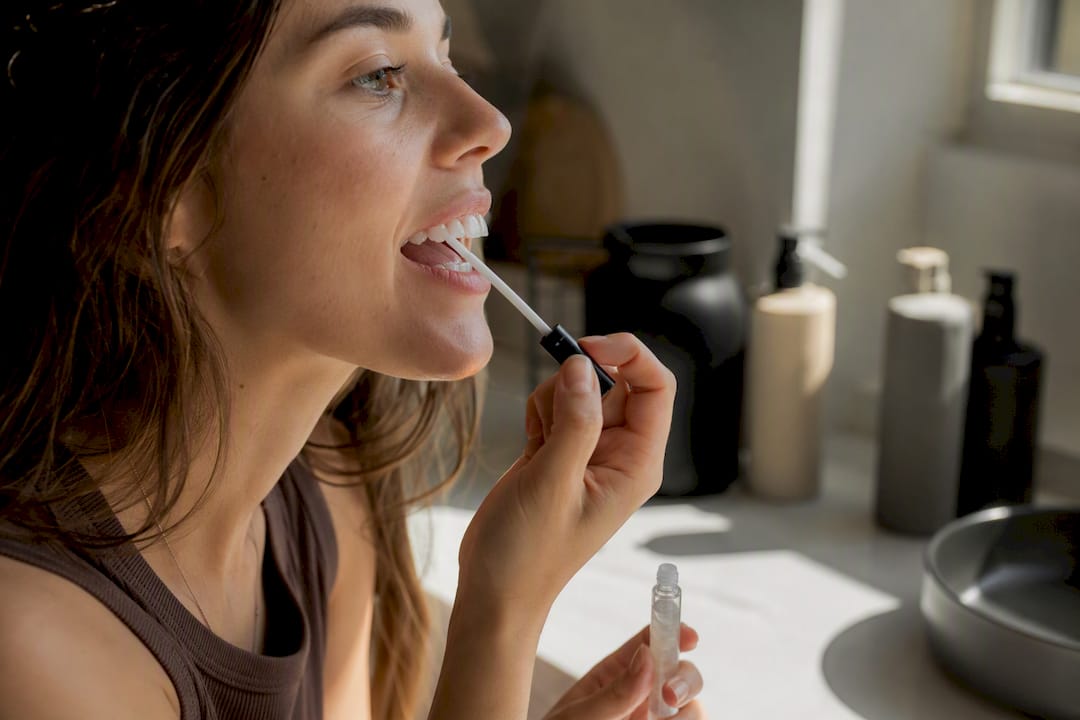
Getsmilefam built its Snow Serum™ Whitening Pen and related kits around this exact moment. The formulas use BLU Whitening Technology developed in Singapore, are free from harsh hydrogen peroxide, and are formulated to be enamel-safe for people with sensitive gums. Use any whitening pen strictly according to the product directions, apply it only after your dentist has given the go-ahead, and stop immediately if you notice sensitivity. If a stain or spot doesn’t respond the way you expect, go back to your dentist rather than increasing frequency or trying a different product on your own.
What I’d Tell a Friend With Braces Right Now
Don’t panic over a stain you spot in the mirror. Most are fixable, and acting early, before a white spot sets in, keeps your options wide open. Follow the order: assess, clean, remineralize, then whiten once you’re actually cleared. Build the daily habits now, and you’ll thank yourself later.
— Lenney
A Safe Way to Finish the Job After Braces Come Off
Once your dentist gives you the green light, Getsmilefam’s Snow Serum™ Whitening Pen is built for exactly this moment: a fast, enamel-safe touch-up that doesn’t require a costly in-office visit or a harsh peroxide formula you have to worry about on sensitive gums.

The pen uses BLU Whitening Technology to target surface stains and post-braces discoloration in a single session, with lab-approved ingredients and no hydrogen peroxide in the formula. Customers report visible results and back it with a satisfaction guarantee, and it pairs naturally with the travel-friendly Premium Travel Kit if you want touch-ups on the go. If you’re newly out of braces and cleared for whitening, head to Getsmilefam and pick the kit that matches your stain type. It’s the practical next step once the clinical box is checked.
This article is general information, not a substitute for advice from a qualified doctor. Consult a qualified healthcare professional about your own circumstances before acting on anything here.
Sources
- White spot lesions: prevention and treatment during orthodontic therapy — PMC
- Causes of post-braces stains on teeth, how to remove them — Healthline
- Life during treatment — AAO