

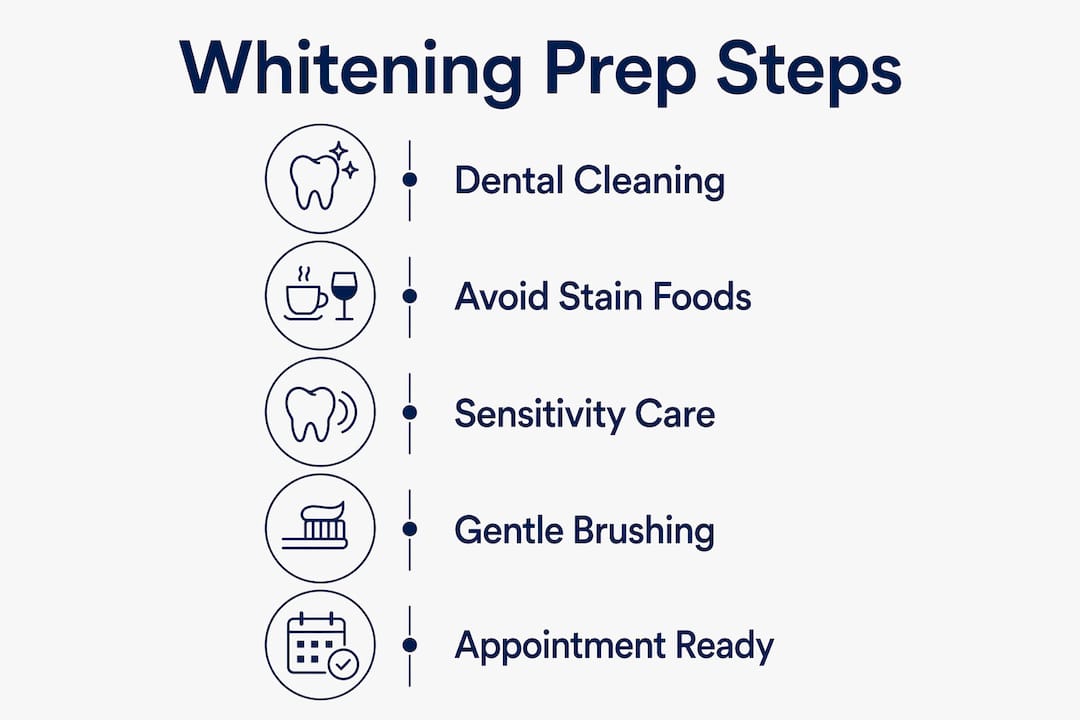
Proper teeth whitening preparation is the single most important factor in getting bright, even results without unnecessary sensitivity. Skipping prep steps leads to patchy whitening, gum irritation, and discomfort that could have been avoided entirely. The standard pre-whitening protocol recognized by dental professionals covers four areas: professional cleaning, sensitivity management, dietary changes, and day-of care. Each step directly affects how well the whitening agent penetrates your enamel. Getsmilefam’s enamel-safe formulas work best when your teeth are properly prepped beforehand.
Why you should prep teeth before whitening treatment
Whitening agents work by penetrating the enamel surface to break apart stain molecules. When plaque, tartar, or surface buildup covers that surface, the agent cannot reach the enamel evenly. The result is blotchy, uneven whitening that no amount of product can fix after the fact.
Microscopic plaque layers block whitening gel even when teeth look clean to the naked eye. That means even people with good daily hygiene habits can get uneven results if they skip a professional cleaning before treatment. The whitening gel simply pools around the buildup instead of absorbing uniformly.
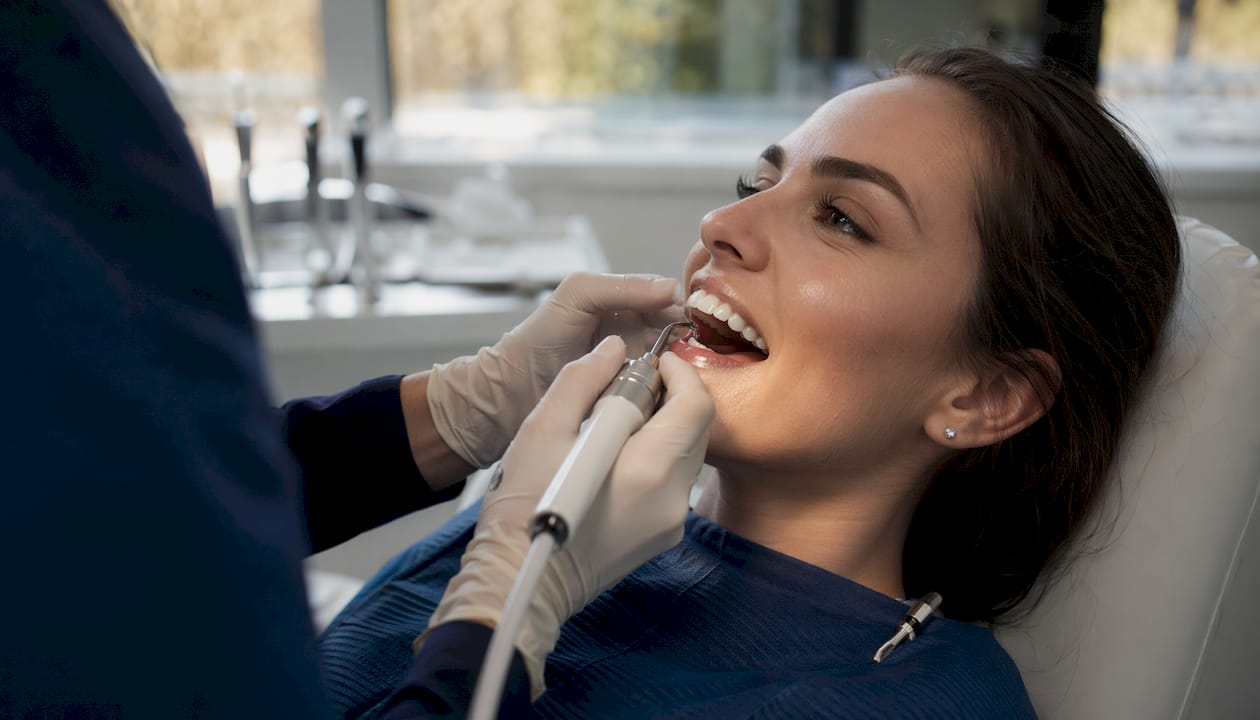
Proper prep also protects your comfort. Enamel that has been abraded by harsh toothpastes, or gums that are already inflamed, respond to whitening agents with sharp sensitivity. A few targeted steps taken in the week before your appointment reduce that risk significantly and make the entire experience more predictable.
Why professional dental cleaning is essential before whitening
A professional cleaning removes tartar and calculus that a toothbrush cannot touch. These deposits are porous and irregular, and they absorb whitening gel differently than clean enamel does. The outcome is a mottled appearance that looks worse than the original staining.
Dental professionals recommend scheduling a cleaning 48 hours to one week before your whitening appointment. That gap matters. Same-day cleaning and whitening stacks two sources of sensitivity on top of each other, and your gums need time to recover from scaling before a bleaching agent touches them.
Skipping a dental checkup before whitening also risks exposing untreated oral problems to bleaching agents. Untreated cavities or exposed nerves can cause sharp pain when whitening gel contacts them. A pre-treatment checkup catches those issues before they become a problem during your session.
Key reasons to schedule a professional cleaning before whitening:
- Removes tartar and calculus that block even gel penetration
- Eliminates surface stains so the whitening agent starts from a clean baseline
- Allows gum tissue to recover from scaling before bleaching begins
- Identifies untreated cavities or sensitivity issues that need addressing first
- Improves whitening uniformity across all visible tooth surfaces
Pro Tip: Book your cleaning at least 48 hours before your whitening appointment, not the same day. Waiting the full week is even better if your gums tend to be sensitive after scaling.
How to manage sensitivity before your whitening appointment
Sensitivity management starts before you sit in the chair. Potassium nitrate-based toothpaste used consistently for one to two weeks before whitening significantly reduces treatment discomfort. Potassium nitrate works by calming the nerve endings inside the tooth, making them less reactive to temperature changes and chemical exposure.
The toothpaste you switch away from matters just as much. Whitening toothpastes and abrasive pastes create microscopic scratches in enamel in the days before treatment. Those micro-scratches give bleaching agents a direct path to the nerve, which amplifies sensitivity. Stop using them at least one week before your appointment.
Follow these steps to protect your teeth and gums in the days leading up to treatment:
- Switch to a potassium nitrate toothpaste one to two weeks before your appointment and use it twice daily.
- Stop all whitening or abrasive toothpastes at least seven days before treatment to let enamel micro-scratches heal.
- Use a soft-bristle toothbrush for all brushing during the prep period to avoid gum irritation.
- Brush gently on the day of treatment rather than scrubbing, which can inflame gum tissue right before the whitening agent is applied.
- Floss the night before rather than immediately before your appointment to avoid gum bleeding at the start of the session.
Pro Tip: If you already experience teeth sensitivity during whitening, starting desensitizing toothpaste two weeks out instead of one gives your nerves more time to calm down.
What foods and drinks to avoid before whitening
Your diet in the 24 to 48 hours before whitening sets the baseline for the whitening agent. Chromogens are the color compounds found in many common foods and drinks. They bind to enamel and create a fresh layer of surface staining right before the whitening gel is applied, which forces the agent to work through new staining before it reaches older, deeper discoloration.
Avoid these staining substances for at least 24 to 48 hours before your appointment:
- Coffee and black tea
- Red wine and dark sodas
- Berries and dark fruit juices
- Tomato-based sauces and soy sauce
- Tobacco in any form
Tobacco use deserves special attention. It restricts blood flow to the gums and deposits fresh tar-based staining on enamel, both of which reduce whitening effectiveness. Stopping at least 24 hours before treatment is the minimum; stopping earlier produces better results.
| Food or drink | Reason to avoid | Recommended alternative |
|---|---|---|
| Coffee and tea | High chromogen content stains enamel | Water or milk |
| Red wine | Tannins and chromogens bind to enamel | Still water |
| Berries | Anthocyanins create surface staining | Bananas, melon |
| Tomato sauce | Acidic and deeply pigmented | Cream-based sauces |
| Dark sodas | Acidic and chromogen-rich | Still or sparkling water |
Crunchy fruits like apples and pears act as natural enamel scrubbers and are a good choice in the days before treatment. Dairy products like cheese and yogurt contain calcium and casein, which support enamel remineralization. Both food groups give your enamel a stronger surface to work from. For guidance on what to eat after your session, the Getsmilefam post-whitening diet guide covers the recovery period in detail.
Day-of tips to get the most from your whitening session
The morning of your appointment, your goal is to arrive with clean teeth and calm gums. Brush gently with a soft-bristle toothbrush about 30 minutes before your appointment. This removes overnight bacteria and food debris without irritating the gum line right before the whitening agent is applied.
Eat a light meal one to two hours before your session. Arriving hungry can cause discomfort during the procedure, since whitening sessions often run 45 minutes to an hour. A heavy meal eaten too close to the appointment can also cause nausea when you are reclined with your mouth open.
Hydration matters, but balance is key. Avoid drinking excessive fluids immediately before your appointment. Whitening sessions restrict restroom access during the procedure, and over-hydrating beforehand creates unnecessary discomfort.
A few more day-of steps that protect your results:
- Skip lip balm and lipstick before your appointment. These products can transfer onto the whitening tray or equipment and interfere with the seal.
- Disclose all dental restorations to your dentist before treatment begins. Crowns, veneers, and bonding do not respond to whitening agents, so your dentist needs to set realistic expectations about final color matching. For more detail on this, the Getsmilefam guide on whitening with restorations explains what to expect.
- Avoid numbing gels or pain relievers before the session unless your dentist specifically recommends them, as they can mask sensitivity signals that indicate a problem.
My honest take on pre-whitening prep
I have seen people spend good money on whitening treatments and walk away disappointed, not because the product failed, but because they skipped the prep. The most common mistake is booking a cleaning and a whitening appointment on the same day to save time. The gums are inflamed from scaling, the enamel is freshly exposed, and then a bleaching agent goes straight on top of all of that. The sensitivity is predictable and avoidable.
The second most common mistake is continuing to use a whitening toothpaste right up to the appointment. People assume it will boost results. It does the opposite. Those abrasive particles scratch the enamel surface and create entry points for the bleaching agent to hit the nerve directly. Switching to a potassium nitrate toothpaste two weeks out is one of the highest-return changes you can make before any whitening session.
The piece most people overlook is the conversation with their dentist about restorations. A crown on a front tooth will not change color during whitening. If you do not disclose it beforehand, you end up with natural teeth that are three shades brighter than your crown, and that mismatch is harder to fix than the original staining. Prep is not just about the day of the appointment. It is about setting up the entire outcome in advance.
— Lenney
Getsmilefam products that support your whitening prep
Getting your teeth ready for whitening does not require a complicated routine. Getsmilefam’s BLU Whitening Toothpaste is formulated without harsh abrasives, making it a strong choice for the prep period when you need to protect enamel and reduce sensitivity before treatment. It supports brightness without the micro-scratching that standard whitening pastes cause.
For those who want a complete prep and care solution in one package, the Getsmilefam Premium Travel Kit includes the tools you need to maintain your oral hygiene routine before and after your whitening session. Getsmilefam’s BLU Whitening Technology, developed in Singapore, uses enamel-safe, lab-approved ingredients and is suitable for people with sensitive gums, which makes it a practical fit for the pre-treatment period when your enamel needs protection, not stress.
FAQ
Do I need to clean my teeth before whitening?
A professional cleaning 48 hours to one week before whitening removes plaque and tartar that block even gel penetration and cause patchy results. Skipping it is the most common reason people are disappointed with their whitening outcome.
How long before whitening should I start desensitizing toothpaste?
Start using a potassium nitrate toothpaste one to two weeks before your appointment, twice daily. This gives the active ingredient enough time to calm nerve endings before the bleaching agent is applied.
What foods should I avoid before a whitening appointment?
Avoid coffee, tea, red wine, dark sodas, berries, tomato-based sauces, and tobacco for at least 24 to 48 hours before treatment. These chromogen-rich foods and drinks create fresh surface staining that forces the whitening agent to work harder.
Will my crowns or veneers whiten along with my natural teeth?
Crowns, veneers, and bonding do not respond to whitening agents and will stay their original shade. Tell your dentist about any restorations before treatment so they can set accurate expectations about color matching.
Can I brush my teeth right before a whitening appointment?
Brush gently with a soft-bristle toothbrush about 30 minutes before your appointment, not immediately before. Brushing too close to the session can irritate gum tissue right before the whitening agent is applied.
Key takeaways
Proper teeth whitening preparation directly determines the brightness, evenness, and comfort of your results, and every step from cleaning to diet to day-of care plays a specific role.
| Point | Details |
|---|---|
| Schedule cleaning in advance | Book a professional cleaning 48 hours to one week before whitening, not the same day. |
| Use desensitizing toothpaste early | Switch to a potassium nitrate toothpaste one to two weeks before treatment to reduce nerve sensitivity. |
| Avoid abrasive toothpastes | Stop whitening and abrasive pastes at least seven days before your appointment to prevent enamel micro-scratches. |
| Cut staining foods and tobacco | Eliminate coffee, red wine, berries, and tobacco for 24 to 48 hours before treatment for a clean baseline. |
| Disclose restorations to your dentist | Crowns and veneers do not whiten, so inform your dentist beforehand to set realistic expectations. |