

Most surface stains on teeth respond well to a simple, enamel-safe routine: an electric toothbrush paired with a baking-soda or blue-covarine toothpaste, combined with twice-yearly professional cleanings and a few lifestyle adjustments. The Cleveland Clinic notes that these extrinsic stains, caused by coffee, tea, tobacco, and inconsistent brushing, sit on the outer enamel surface and are the most treatable category of tooth discoloration. You don’t need bleach to remove them.
Your fastest, lowest-risk first steps:
- Switch to an electric toothbrush. Research published in JADA confirms electric brushes outperform manual ones for plaque and surface-stain removal when used correctly.
- Use a baking-soda dentifrice or a blue-covarine whitening toothpaste daily. Both are non-bleach and enamel-safe.
- Floss once a day to clear stain-trapping plaque from between teeth.
- Schedule a hygiene visit. Professional prophylaxis removes buildup no toothbrush reaches.
- Try Getsmilefam’s BLU Whitening Technology products, formulated without peroxide and designed for sensitive gums, as a starting point for your at-home routine.
Pro Tip: For an immediate cosmetic boost before photos or an event, a blue-covarine toothpaste or the Snow Serum™ Whitening Pen creates an optical brightening effect on first use, no bleaching required.
Key Takeaways
Treating surface stains safely comes down to one consistent principle: mechanical removal and optical correction first, bleaching only when a dentist recommends it.
| Point | Details |
|---|---|
| Start with an electric toothbrush | Electric brushes remove surface stains more effectively than manual brushing when used with correct technique. |
| Use baking-soda or blue-covarine products | These non-bleach options reduce extrinsic stains after consistent use without enamel erosion risk. |
| Avoid DIY acid and charcoal remedies | Apple cider vinegar, charcoal powder, and raw hydrogen peroxide erode enamel and worsen discoloration long-term. |
| Protect enamel with fluoride and soft bristles | Fluoride toothpaste and light brushing pressure preserve enamel throughout any stain-removal routine. |
| Getsmilefam BLU Whitening Toothpaste | A peroxide-free, daily-use option formulated for sensitive gums that fits directly into the at-home routine. |
Table of Contents
- How can you safely treat surface stains on teeth at home?
- Which product types actually work on surface stains?
- What do professional stain-removal options actually do?
- What should you avoid when removing teeth stains?
- How do you protect enamel while treating surface stains?
- When should you see a dentist instead of treating stains at home?
- Why I think the non-bleach approach is the right starting point
- Getsmilefam’s BLU Whitening Technology: a peroxide-free option worth trying
- Sources
How can you safely treat surface stains on teeth at home?
A consistent two-week routine is where most people see the clearest difference. Here’s a practical plan:
- Brush for two full minutes, twice a day using a soft-bristled electric toothbrush head. Apply light pressure, roughly the weight of a ripe tomato resting on the brush. Pressing harder doesn’t clean better; it wears enamel.
- Use a baking-soda dentifrice as your primary toothpaste. Clinical evidence from a PMC-published study shows baking-soda dentifrices combined with electric brushing remove extrinsic stains effectively without increasing enamel surface roughness.
- Floss before your evening brush to dislodge food and plaque that staining compounds cling to overnight.
- Rinse with water immediately after coffee, tea, or red wine. You don’t need to brush right away; rinsing dilutes the staining compounds before they bind.
- Wait at least 60 minutes after acidic foods or drinks before brushing. Acid temporarily softens enamel, and brushing too soon accelerates erosion.
- Add a blue-covarine or non-bleach whitening paste two to three times per week as a supplemental step, not a daily replacement for your regular dentifrice.
Timeline to set realistic expectations: Blue-covarine products deliver an optical brightening effect on first use. Consistent baking-soda toothpaste use typically produces visible cosmetic improvement within two to six weeks. If stains persist beyond that window, or if you notice sensitivity, a professional cleaning is the logical next step.
Pro Tip: Building daily habits for a whiter smile around timing, not just product choice, makes the biggest difference. Rinsing after staining drinks and waiting before brushing costs nothing and protects enamel every single day.
Which product types actually work on surface stains?
Not every whitening product targets the same problem. For extrinsic stains, the most effective and safest categories are:
- Baking-soda dentifrices. Baking soda reduces plaque polysaccharide viscosity and loosens bacterial bonds, giving it both a cleaning and stain-removing role with relatively low abrasivity compared with many whitening abrasives. Look for it listed as sodium bicarbonate on the label. Y-Brush covers the specifics of baking soda for stain removal if you want a deeper breakdown.
- Blue-covarine products. These deposit a thin optical film that shifts light reflection, making teeth appear less yellow immediately. The Mayo Clinic notes that visible cosmetic effects build with repeated use, and some formulations show an immediate result on first application.
- ADA-accepted whitening toothpastes. The ADA’s guidance on whitening recommends looking for the ADA Seal of Acceptance on OTC products, which indicates the product has met safety and effectiveness requirements when used as directed. Low RDA (relative dentin abrasivity) scores signal gentler formulas.
- Electric toothbrushes with polishing paste. The mechanical action of an oscillating or sonic brush head amplifies the cleaning power of any dentifrice.
Getsmilefam’s BLU Whitening Toothpaste uses proprietary BLU Whitening Technology, a non-peroxide formula built for daily use on sensitive gums. The Snow Serum™ Whitening Pen applies a targeted cosmetic serum directly to teeth, useful for spot treatment or pre-event touch-ups. Neither product relies on peroxide bleaching, which means no risk of the sensitivity and gingival irritation that Johns Hopkins Medicine associates with carbamide and hydrogen peroxide treatments. For a full breakdown of enamel-safe whitening ingredients, Getsmilefam’s ingredient guide is worth reading before you buy anything.
Pro Tip: When reading labels, prioritize products with the ADA Seal, a low-abrasivity claim, and no raw hydrogen peroxide. Those three markers together cover the main safety bases for daily use.
What do professional stain-removal options actually do?
Home care handles a lot, but some stains need a hygienist. Professional stain-removal procedures work faster and reach areas toothbrushes miss entirely.
The most common options:
- Prophylaxis (rubber-cup polishing): A hygienist uses a rotating rubber cup with a mildly abrasive polishing paste to buff stains from all tooth surfaces. Results are immediate and the procedure is gentle enough for most patients.
- Ultrasonic scaling plus polishing: Ultrasonic instruments break up calculus (hardened plaque) before polishing. If you have visible tartar buildup, this is usually the first step.
- Air-polishing (Air-flow): A jet of sodium bicarbonate or erythritol powder removes pellicle-bound stain rapidly and gently. BDJ Team research describes air-polishing as quick, gentle, and often preferable for extrinsic stains, frequently recommended before any whitening treatment.
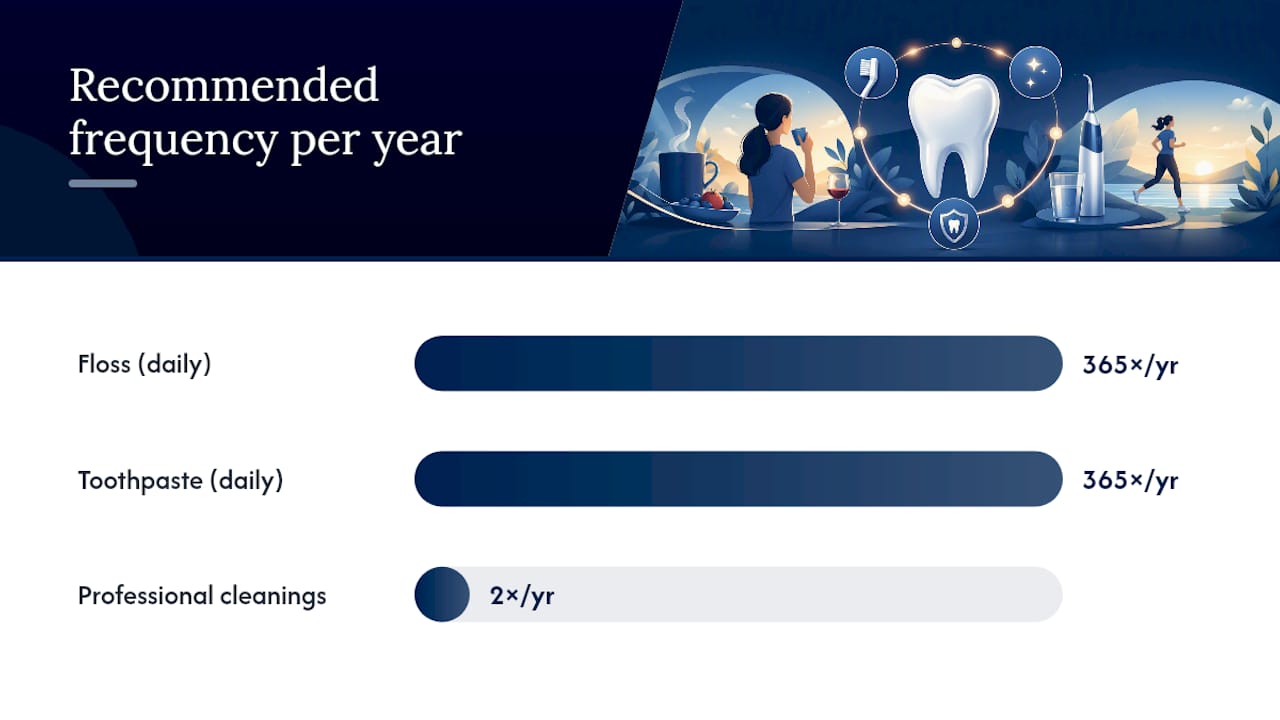
Results from professional cleaning are typically instant. Most dental guidelines recommend hygiene visits twice a year for maintenance. If you’re a heavy coffee or tea drinker, or a former smoker, three to four visits annually may keep staining from rebuilding between appointments.
Consider booking a professional cleaning first if any of these apply:
- Stains have been present for more than a year
- You have visible tartar or calculus
- You’ve tried OTC products for six or more weeks without improvement
- You’re unsure whether the discoloration is surface-level or deeper
What should you avoid when removing teeth stains?
Some popular DIY methods cause more damage than the stains they’re meant to fix.
Avoid these entirely: Apple cider vinegar, activated charcoal powder, and raw hydrogen peroxide from a medicine cabinet are among the most commonly misused “natural” whitening remedies. The Cleveland Clinic warns explicitly against these approaches: apple cider vinegar is acidic enough to erode enamel with repeated use, activated charcoal is highly abrasive and can scratch enamel surfaces, and household hydrogen peroxide concentrations are uncontrolled and can irritate gum tissue. Thinner enamel from erosion actually makes teeth look more yellow, not less, because the darker dentin beneath shows through.
Overusing high-abrasivity whitening toothpastes daily carries a similar risk. A toothpaste marketed as “whitening” isn’t automatically safe for daily use; abrasivity varies widely across products. The ADA Seal and a low RDA rating are the clearest signals that a product won’t wear enamel over time. For a direct comparison of safe versus harsh whitening approaches, Getsmilefam’s guide lays out the ingredient-level differences clearly.
How do you protect enamel while treating surface stains?
Enamel doesn’t regenerate. Once it’s gone, it’s gone, which makes protection the non-negotiable part of any stain-removal routine.
Practical steps to keep enamel intact:
- Use a soft-bristled brush head and light pressure every time you brush.
- Choose a low-abrasivity toothpaste as your daily driver; save higher-abrasivity products for occasional use.
- Apply fluoride toothpaste at least once a day. Fluoride strengthens enamel and helps it resist acid attack.
- Wait 60 minutes after acidic foods or drinks before brushing, as noted earlier.
- If you experience sensitivity, switch to a desensitizing toothpaste containing potassium nitrate or stannous fluoride. Use it consistently for at least two weeks before evaluating whether it helps.
- Stagger whitening treatments. If you’re using a supplemental whitening product, two to three times per week is enough. Daily use of multiple whitening products simultaneously increases sensitivity risk.
Stop any whitening regimen and book a dental appointment if sensitivity becomes sharp, lingers after eating, or spreads to multiple teeth. That pattern can signal enamel thinning or an underlying issue that no OTC product should be treating. Getsmilefam’s guide on protecting enamel while whitening covers the specific product choices and timing strategies in more detail.
Pro Tip: Pair your whitening routine with a fluoride mouthwash at night, after brushing, for an extra layer of enamel support without adding abrasion.
When should you see a dentist instead of treating stains at home?
Some situations call for a professional evaluation before you reach for any product. Book a dental appointment when:
- Stains don’t respond after four to six weeks of consistent home care
- You notice persistent tooth sensitivity or pain
- Gums are bleeding, swollen, or pulling back from teeth
- You have existing restorations (crowns, veneers, bonding) in the stained area, since whitening products don’t change restoration color
- You suspect medication-induced discoloration (tetracycline, certain antihistamines, iron supplements)
- The discoloration is gray, brown, or white-spot rather than yellow, which may indicate intrinsic staining or early decay
When you call, ask specifically for a “stain assessment and prophylaxis.” That phrasing tells the front desk exactly what you need and gets you to the right appointment type. Only a dentist can determine whether discoloration is extrinsic or intrinsic. Intrinsic staining, which originates inside the tooth, won’t respond to surface treatments and may require bleaching trays, veneers, or bonding instead.
Why I think the non-bleach approach is the right starting point
The instinct most people have when they notice stained teeth is to reach for the strongest product available. That’s understandable, but it’s usually the wrong move. Peroxide-based bleaching penetrates dental tissue and carries a real risk of sensitivity and gum irritation, particularly for people who already have thin enamel or reactive gums. For the majority of surface stains, that level of intervention isn’t necessary.
The clinical evidence points consistently toward mechanical removal first: a good electric toothbrush, a baking-soda dentifrice, and a professional cleaning when needed. Blue-covarine products add an optical layer that makes results feel immediate without touching enamel chemistry at all. That combination handles most extrinsic staining without introducing new problems.
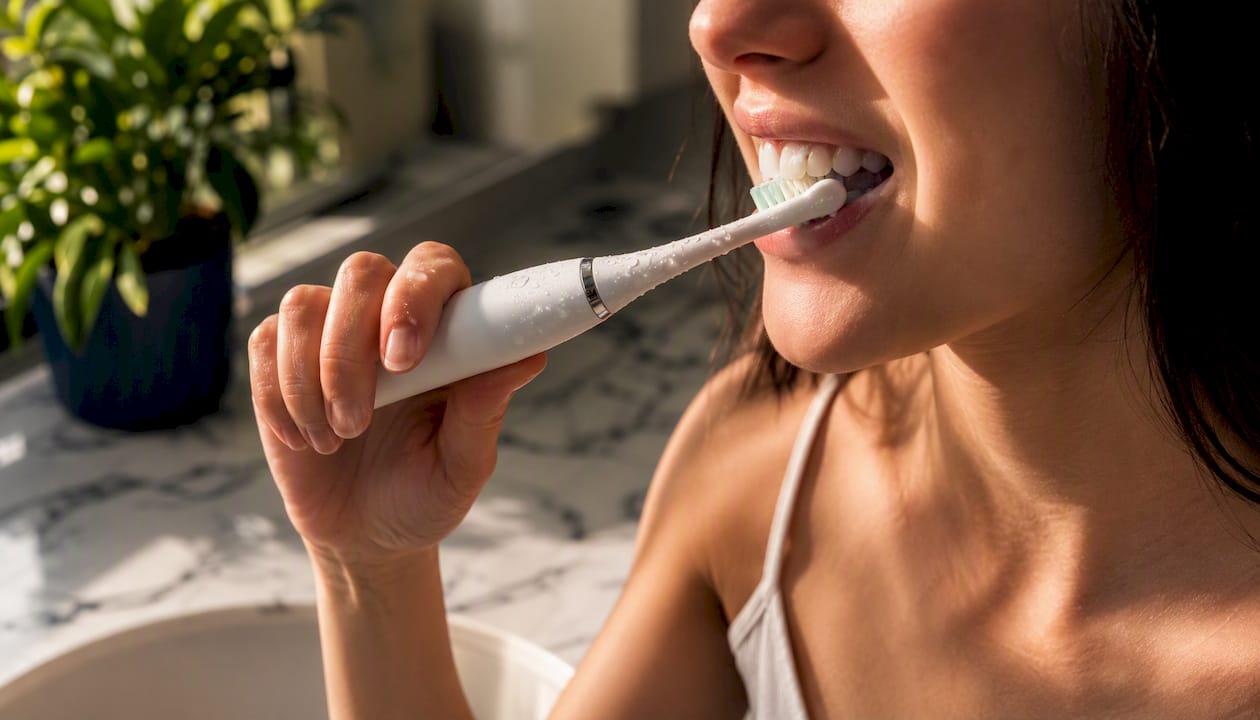
Getsmilefam’s BLU Whitening Technology sits squarely in this approach: peroxide-free, formulated for sensitive gums, and designed for daily use rather than occasional corrective sessions. If you’re unsure about your specific situation, consult a dentist before starting any whitening routine. That’s not a disclaimer; it’s genuinely the fastest path to the right answer for your teeth.
Getsmilefam’s BLU Whitening Technology: a peroxide-free option worth trying
If you’ve read this far and want a non-bleach starting point that’s already formulated for sensitive gums, Getsmilefam’s lineup fits the routine described above without requiring any guesswork on ingredients.
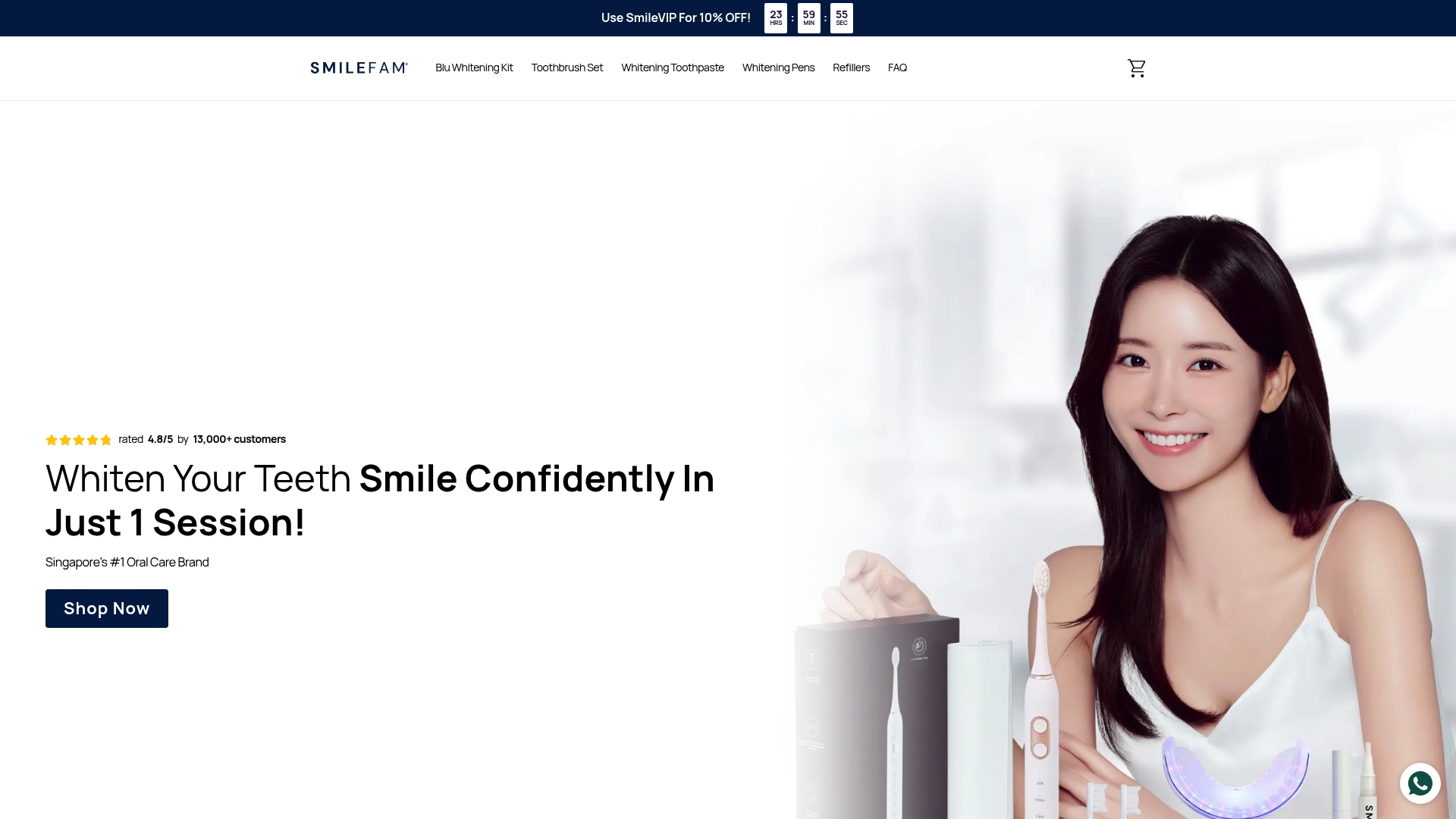
The BLU Whitening Toothpaste uses BLU Whitening Technology to address surface stains daily, no peroxide, no harsh abrasives, and no sensitivity trade-off. Use it as your primary toothpaste. The Snow Serum™ Whitening Pen applies a targeted cosmetic serum for spot treatment before events or photos, delivering the kind of immediate optical effect blue-covarine products are known for. Both products are designed to slot into the two-step routine covered in this guide: daily toothpaste for consistent stain reduction, pen for targeted cosmetic moments. To get started, visit the BLU Whitening Toothpaste product page and add it to your routine today.
Sources
The following sources informed the recommendations in this guide. Each is worth bookmarking if you want to verify a specific claim or read the underlying clinical evidence.
- Tooth Discoloration: Causes & Treatment
- In vitro and clinical evidence on baking soda and electric brushing for stain removal (PMC study)
- How To Whiten Your Teeth Safely
- Mayo Clinic Q&A: Many safe choices available to help whiten teeth
- Whitening | American Dental Association
- Teeth Whitening | Johns Hopkins Medicine
When buying any OTC whitening product, check for the ADA Seal of Acceptance on the packaging. For stains that don’t respond to home care within six weeks, or any sensitivity that feels sharp or persistent, consult a dentist before continuing.