

Black tea, coffee, red wine, and dark cola are the drinks that yellow teeth fastest, thanks to a combination of chromogens, tannins, and enamel-eroding acidity. The single fastest thing you can do right now: rinse your mouth with water immediately after drinking any of them.
Highest-risk beverages include black tea, red wine, coffee, dark cola, energy drinks, dark fruit juices, and sports drinks, due to their staining potential and acidity.
- Black tea — highest staining potential of any common drink
- Red wine — ties black tea in lab studies; tannins and chromogens both present
- Coffee — high chromogen load; slightly lower tannin content than tea
- Dark cola and energy drinks — acidity erodes enamel, then dark pigments move in
- Dark fruit juices — grape, pomegranate, and cranberry juice carry dense chromogens
- Sports drinks — acidic enough to increase enamel porosity even without dark color
Table of Contents
- 1. Which drinks stain your teeth the fastest?
- 2. Why some drinks stain teeth faster than others
- 3. How quickly do stains actually show up?
- 4. Practical steps to prevent staining from beverages
- 5. How to remove stains: your options from OTC to professional
- 6. When to see a dentist and what it typically costs
- Key Takeaways
- The part most stain guides get wrong
- Getsmilefam’s enamel-safe whitening for beverage stains
- Useful sources and further reading
1. Which drinks stain your teeth the fastest?
An in vitro study comparing 11 beverages found that black tea and red wine produced the highest staining on enamel samples, with coffee and tea with milk also causing significant discoloration. White wine and diet lemonade, by contrast, stained at levels comparable to water.
| Drink | Staining speed | Tannins/Chromogens | Acidity |
|---|---|---|---|
| Black tea | Very fast | High tannins + chromogens | Medium |
| Red wine | Very fast | High tannins + chromogens | High |
| Coffee | Fast | High chromogens, moderate tannins | Medium |
| Dark cola | Fast | Moderate chromogens | Very high |
| Energy drinks | Fast | Low chromogens | Very high |
| Grape/pomegranate juice | Fast | High chromogens | High |
| Sports drinks | Moderate–fast | Low chromogens | High |
| Black tea with milk | Moderate | Reduced (casein binds chromogens) | Medium |
| Coffee with milk | Moderate | Reduced | Medium |
| White wine | Moderate | Low chromogens | Very high |
| Bright-pigment juices (beet, turmeric) | Moderate | Pigment-based, low tannins | Medium |
1. Black tea — Very fast. Tannins in tea act like a glue for pigmented molecules, locking chromogens onto enamel. Switching to tea with milk cuts staining noticeably because casein in milk interferes with chromogen binding.
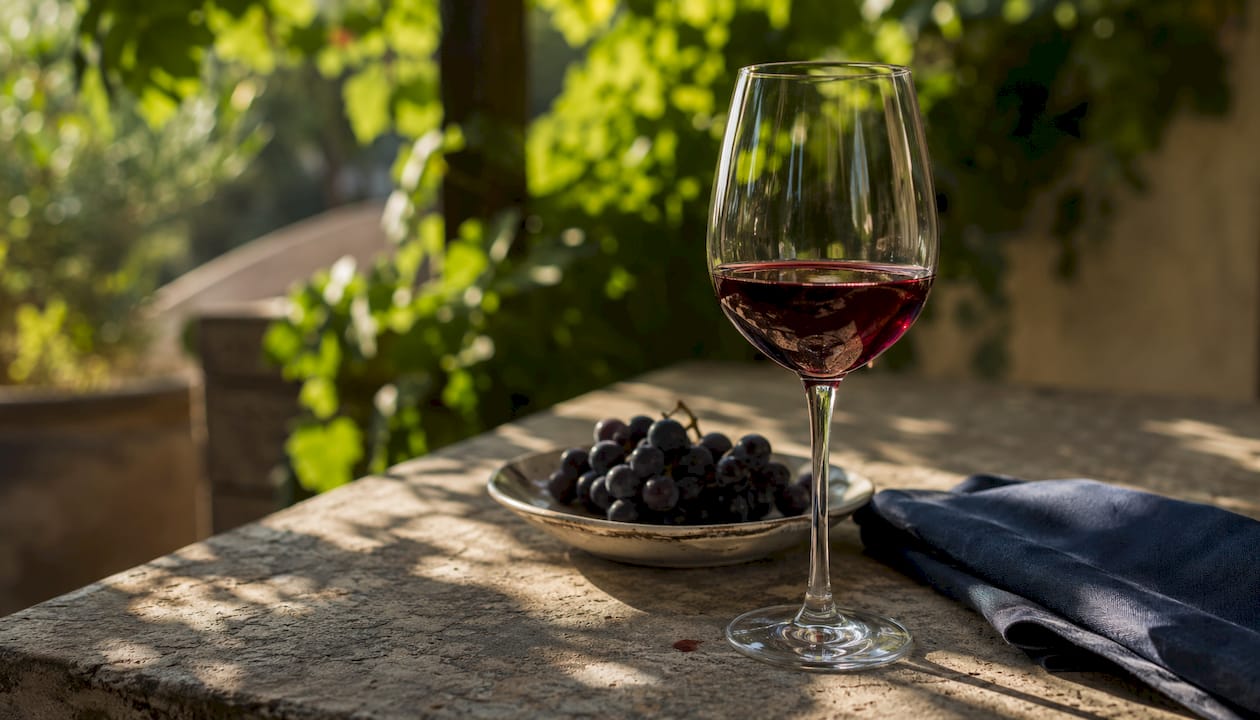
2. Red wine — Very fast. Deep chromogens plus high tannin content and significant acidity make red wine a triple threat. No easy fix mid-glass; rinse with water after.
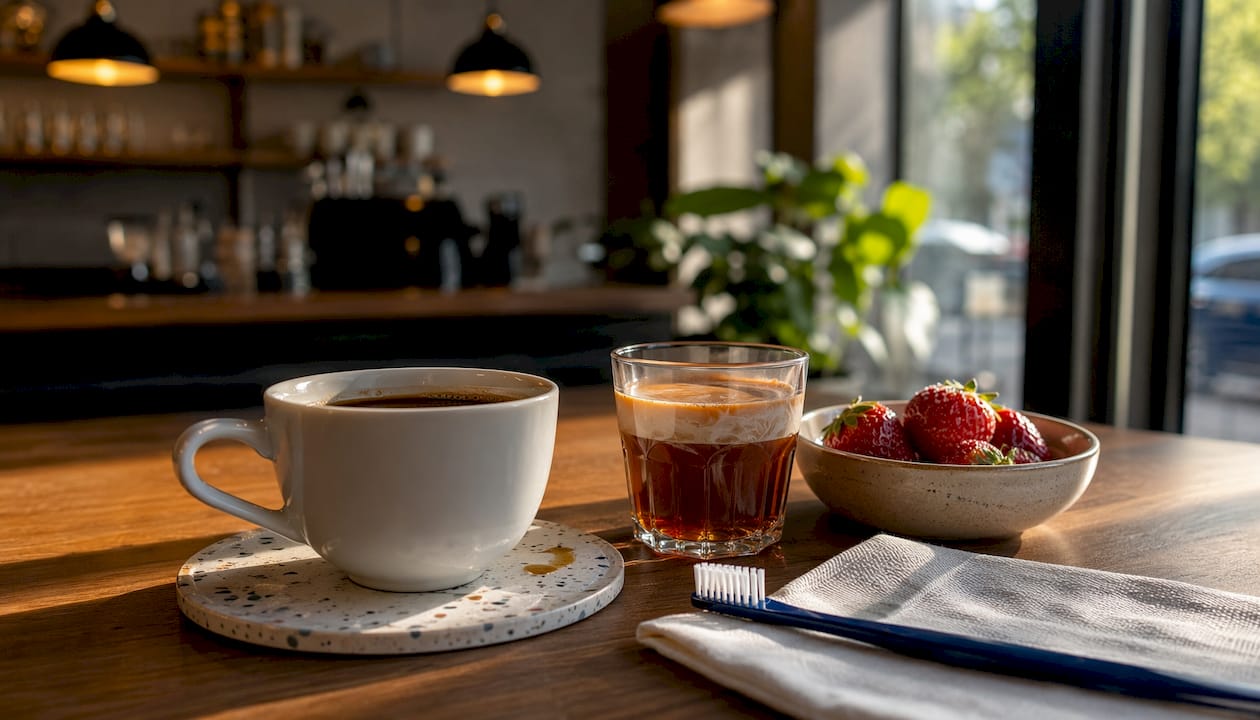
3. Coffee — Fast. Dense chromogen load is the main driver. Adding milk reduces staining potential, and removing coffee stains quickly is easier when you act the same day rather than letting deposits set.
4. Dark cola — Fast. The acidity strips enamel first, then the caramel coloring moves into the exposed surface. Drinking through a straw reduces contact time with enamel.
5. Energy drinks — Fast. Energy drinks are linked to enamel breakdown due to high acidity, which increases enamel porosity even before any pigment enters the picture.
6. Grape, pomegranate, and cranberry juice — Fast. Dense natural chromogens with moderate-to-high acidity. These are often overlooked because they feel “healthy,” but their staining potential rivals coffee.
7. Sports drinks — Moderate to fast. Acidity is the primary concern here, not color. Clear sports drinks still erode enamel and raise future staining risk.
8. Black tea with milk — Moderate. Casein in milk significantly reduces tea-induced staining and alters stain morphology, making deposits easier to remove.
9. White wine — Moderate. Deceptive. White wine carries almost no dark pigment, but its very high acidity etches enamel and primes teeth to absorb stains from other foods consumed afterward.
10. Bright-pigment drinks (beet juice, turmeric lattes) — Moderate. Curcumin and beet pigments create vivid but often temporary stains that are more easily removed by brushing than tannin-based deposits.
2. Why some drinks stain teeth faster than others
Staining is an interaction, not just a color problem. Three factors work together: chromogens (pigmented molecules), tannins (polyphenols that help chromogens grip enamel), and acidity (which erodes enamel and opens its surface to pigment absorption).
Chromogens are the actual color compounds. On their own, they can be rinsed away. The trouble starts when tannins are present. Tannins in tea and coffee act as a binding agent, anchoring chromogens to the enamel surface so they resist rinsing and ordinary brushing.
Acidity is the third lever, and it’s the most underappreciated one. Acidic drinks erode enamel, increasing surface porosity and making teeth more likely to absorb pigments, even from drinks that aren’t particularly dark. That’s why white wine or lemon water can raise your staining risk without depositing any visible color themselves.
One less obvious amplifier: chlorhexidine mouthwash. If you use a CHX rinse, it binds dietary chromogens and increases their adsorption to enamel, so drinking black tea or red wine after a CHX rinse produces significantly more staining than either would alone.
Statistic callout: In the in vitro comparison study, black tea and red wine produced the highest enamel staining of all 11 beverages tested, with results reaching statistical significance — a finding that held even after brushing, which reduced staining from some drinks but not from tea or red wine.
Pro Tip: After acidic drinks, wait 30–60 minutes before brushing. Brushing immediately can accelerate enamel erosion by pushing softened enamel and pigments deeper into the surface. Rinse with water first, then wait.
3. How quickly do stains actually show up?
Visible discoloration from daily beverage habits typically appears within a few weeks to a few months for most adults, though the timeline depends heavily on how often you drink, how long each sip lingers, and the current state of your enamel.
Factors that speed staining:
- Sipping frequency — constant small sips keep enamel in near-continuous acid exposure, which is worse than drinking the same volume in one sitting
- Thin or already-eroded enamel — thinner enamel exposes more of the yellowish dentin underneath, making discoloration visible faster
- Smoking — nicotine and tar stain independently and compound beverage staining
- Poor oral hygiene — infrequent brushing lets chromogen deposits set and harden
- Chlorhexidine mouthwash use — as noted above, amplifies chromogen adhesion
- Alcohol-based mouthwash — dries out the mouth, reducing saliva’s natural buffering and cleaning effect
Rough timeline by consumption pattern:
- Casual drinker (1–2 cups of coffee or tea daily, occasional wine): noticeable yellowing typically within 2–4 months without active prevention
- Moderate daily drinker (3+ cups of tea or coffee, regular wine): visible staining often within 4–8 weeks, especially if brushing is inconsistent
- Heavy daily drinker + smoker: surface staining can become visible within days to weeks; intrinsic discoloration may develop over months
Recurring yellowing after whitening is almost always tied to one of these patterns continuing unchecked.
4. Practical steps to prevent staining from beverages
The single most effective low-cost prevention step is rinsing with water immediately after drinking a staining beverage. Dental professionals recommend rinsing and maintaining a neutral oral pH to reduce extrinsic staining, and it costs nothing.
Daily prevention habits:
- Rinse with water right after coffee, tea, or wine — don’t wait until you brush
- Drink water between sips of staining beverages to dilute chromogens and reduce contact time
- Use a straw for cold drinks like iced coffee, cola, and dark juices — it routes liquid past the front teeth
- Add milk to tea or coffee — casein reduces chromogen binding and lowers overall staining potential
- Avoid constant sipping — finish your coffee in one sitting rather than nursing it for two hours
- Chew sugar-free gum after meals to stimulate saliva, which naturally buffers acid and washes away loose pigments
- Brush twice daily with a fluoride toothpaste and schedule professional cleanings at least twice a year
For dentist-recommended routines, the timing rule matters most: brush before your morning coffee, not immediately after. If you brush after, wait the full 30–60 minutes.
Pro Tip: At a restaurant or social event, order still water alongside any wine or coffee and alternate sips. It’s the easiest stain-reduction habit that requires zero willpower and no product.
For a full set of lifestyle changes for whiter teeth, daily habit swaps can make a measurable difference within weeks.
5. How to remove stains: your options from OTC to professional
Whitening toothpastes and strips address surface stains effectively; professional in-office whitening is the fastest route for deeper, long-term discoloration. The right choice depends on how embedded the stain is and how quickly you want results.
| Treatment | Effectiveness | Time to results | Permanence | Approx. U.S. cost | Best for |
|---|---|---|---|---|---|
| Whitening toothpaste | Mild surface stains | 2–6 weeks | Low (maintenance needed) | $5–$15 | Daily prevention and mild staining |
| Whitening strips | Moderate surface stains | 1–2 weeks | Moderate | $20–$60 | Regular beverage staining |
| At-home peroxide trays | Moderate to significant | 2–4 weeks | Moderate–high | $100–$400 (dentist-supplied) | Consistent staining, budget-conscious |
| Professional in-office whitening | Significant to severe | 1–3 sessions | High | $300–$1,000+ | Deep staining, fast results needed |
| Bonding/veneers | Intrinsic or structural | Immediate (cosmetic) | Very high | $300–$1,000+ per session | Stains unresponsive to whitening |
Safety considerations:
- Whitening strips and peroxide trays can cause temporary tooth sensitivity, especially on already-thin enamel
- Existing restorations (crowns, veneers, bonding) do not whiten with peroxide treatments — the surrounding natural teeth may lighten while restorations stay the same shade
- Overuse of abrasive whitening toothpastes can wear enamel over time; look for the American Dental Association (ADA) Seal of Acceptance
Brushing alone reduces staining from some beverages like coffee and diet soda more effectively than it removes tea or red wine staining, which tends to be more resistant to mechanical cleaning. For those two specifically, a whitening strip or professional treatment is often necessary.
Intrinsic stains, which originate inside the tooth rather than on the surface, typically don’t respond to OTC products at all. Those require professional procedures like bonding or veneers. For guidance on whitening stained teeth fast, the approach differs significantly depending on whether the stain is extrinsic or intrinsic.
Crest Whitestrips remain one of the most widely used OTC strip products in the U.S., with a range of formulas from entry-level to professional-grade. Crest’s whitening toothpaste line is similarly accessible at most drugstores and offers a low-commitment starting point for mild staining.
6. When to see a dentist and what it typically costs
See a dentist when stains don’t respond to two to four weeks of consistent OTC treatment, when discoloration appears suddenly, or when you notice uneven color changes that suggest something other than beverage staining.
Red flags that warrant a dental visit:
- Stains that appear suddenly or change color rapidly
- Pain, sensitivity, or swelling accompanying discoloration
- Uneven patches of white, brown, or gray that don’t match typical beverage staining patterns
- Existing crowns, veneers, or bonding involved — these require professional assessment before any whitening
- Suspected intrinsic staining (from medications, fluorosis, or trauma)
Typical U.S. cost ranges:
- In-office professional whitening: $300–$1,000+ per session, depending on the practice and system used
- Dentist-supplied take-home trays: $100–$400, often more effective than OTC strips for moderate staining
- OTC whitening strips (e.g., Crest Whitestrips): $20–$60 per kit at most pharmacies
- Whitening toothpaste: $5–$15 per tube
Cosmetic whitening is almost never covered by dental insurance, so these are typically out-of-pocket expenses. Professional results generally last 6–12 months with good maintenance habits, after which a touch-up session or at-home kit is usually sufficient. Extrinsic stains from dark beverages respond well to professional whitening; intrinsic staining from medications or trauma may require bonding or veneers regardless of budget.
This article is general information, not professional dental advice. Confirm current treatment options and costs with a licensed dentist for your specific situation.
Key Takeaways
Black tea and red wine stain teeth fastest because they combine high chromogen content, tannins that anchor pigments to enamel, and acidity that opens the enamel surface to absorption.
| Point | Details |
|---|---|
| Top staining offenders | Black tea and red wine stain fastest; coffee, dark cola, and dark fruit juices follow closely. |
| Most effective prevention | Rinse with water immediately after staining drinks; add milk to tea or coffee to reduce chromogen binding. |
| Brushing timing matters | Wait 30–60 minutes after acidic drinks before brushing to avoid driving softened enamel and pigments deeper. |
| When to go professional | OTC strips and toothpaste handle surface stains; intrinsic or long-term staining requires in-office whitening, bonding, or veneers. |
| Getsmilefam option | Getsmilefam’s BLU Whitening Toothpaste and Snow Serum™ Whitening Pen offer enamel-safe, hydrogen-peroxide-free daily whitening for beverage-related surface stains. |
The part most stain guides get wrong
The conventional framing of tooth staining is almost entirely about color: dark drink equals stained teeth. That’s true as far as it goes, but it misses the mechanism that actually matters.
Staining is an interaction. A dark pigment needs either tannins to grip the enamel or an acid-etched surface to absorb into. That’s why white wine, which looks harmless, can be more damaging to your long-term tooth color than a glass of orange juice with a deeper hue. The wine etches the enamel; whatever you eat or drink next stains more easily because of it.
The other thing guides consistently underplay is the brushing timing mistake. Most people who are conscious of staining brush immediately after their morning coffee, thinking they’re being proactive. They’re actually pushing softened enamel and pigments deeper into the surface. Waiting 30–60 minutes and rinsing first is the correct sequence, and it’s backed by dental guidance, not just a minor preference.
What actually works long-term is treating staining as a daily interaction to manage, not an event to reverse. Rinsing with water, adding milk, using a straw for cold drinks, and timing your brushing correctly will do more over six months than any single whitening treatment used without those habits in place. Whitening treatments, whether OTC strips or professional sessions, are most effective when the daily habits that caused the staining are also addressed.
Getsmilefam’s enamel-safe whitening for beverage stains
If you’ve cut back on the worst offenders and added the prevention habits above, but your teeth still carry visible staining from years of coffee, tea, or wine, an at-home whitening product can close the gap without a dentist visit.
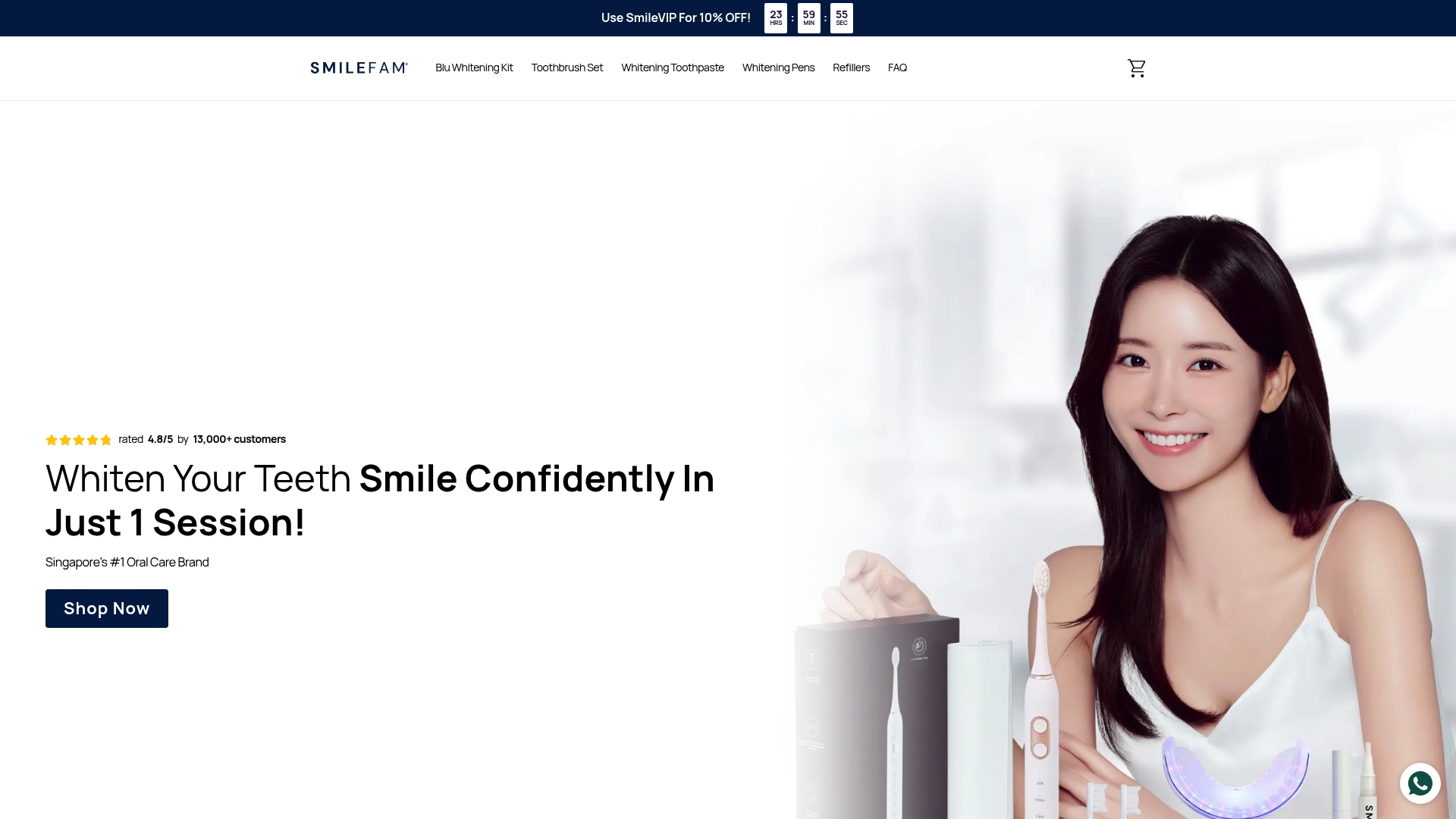
Getsmilefam’s approach is built around enamel safety. The BLU Whitening Toothpaste uses BLU Whitening Technology, a proprietary formula developed in Singapore, and is free of hydrogen peroxide, making it a practical daily-use option for people with sensitive gums who still want gradual surface stain removal. The Snow Serum™ Whitening Pen delivers targeted whitening in a single session, useful for touch-ups before events or after a stretch of heavy coffee or wine consumption. For travel or on-the-go maintenance, the Premium Travel Kit bundles portable whitening tools that fit a carry-on.
All Getsmilefam products are cosmetic treatments designed for extrinsic, surface-level staining. For intrinsic discoloration or stains that haven’t responded to OTC options, a dentist visit is the right next step. To see the full product range and find the option that fits your staining pattern, visit getsmilefam.com.
Useful sources and further reading
- The Impact on Dental Staining Caused by Beverages — PMC: Peer-reviewed in vitro study comparing 11 beverages for enamel staining; primary source for the staining rankings and milk/casein findings in this article.
- Tooth Discoloration: Causes & Treatment — Cleveland Clinic: Authoritative clinical overview of extrinsic and intrinsic staining, treatment options, and brushing timing guidance.
- Top 10 Teeth-Staining Foods — Bupa: Accessible summary of tannin and chromogen mechanisms from a major health insurer’s editorial team.
- Foods That Stain Teeth — Healthline: Covers acidity’s role in enamel erosion and the specific risk posed by energy and sports drinks.
- 12 Worst Teeth-Staining Foods and Drinks — Dentist Decoded: Practitioner-authored breakdown distinguishing temporary pigment stains from persistent tannin-based staining.
- How to Whiten Tea Stains Safely — Getsmilefam: Tea-specific whitening tips and product guidance for daily tea drinkers.
- How to Whiten Teeth After Coffee Daily — Getsmilefam: Daily maintenance routines for people who aren’t giving up their morning cup.