

Tooth stains fall into three practical categories: extrinsic, intrinsic, and age-related. Each category points to different causes and, more importantly, different realistic treatments. Extrinsic stains sit on the surface and usually respond well to cleaning and whitening. Intrinsic stains form inside the tooth structure and often need restorative dental work. Age-related staining is a mix of both processes and responds partially to whitening, though results vary.
Here is the short version before you read further:
- Extrinsic stains (surface deposits from food, drink, tobacco): usually removable with professional cleaning or whitening products
- Intrinsic stains (discoloration within dentin or enamel): often require veneers, bonding, or internal bleaching rather than standard peroxide whitening
- Age-related stains (enamel thinning plus dentin darkening): respond to whitening but may need cosmetic restorations for dramatic, lasting results
The American Dental Association (ADA) recognizes this three-category framework as the clinical standard for diagnosing discoloration, and the Cleveland Clinic maps each category to distinct causes and treatment pathways. If you have a single tooth turning gray or blue, or you notice rapid darkening after an injury, skip the whitening strips and call a dentist first.
Table of Contents
- What are the three types of tooth stains?
- What causes extrinsic stains and how do you remove them?
- Why are intrinsic stains harder to treat?
- How does aging change your tooth color?
- When should you see a dentist instead of trying whitening first?
- Which treatment works best for each stain type?
- How do you prevent staining and keep whitening results longer?
- What do treatments cost and how long do they take in the U.S.?
- Key Takeaways
- The part most whitening advice gets wrong
- Getsmilefam’s at-home whitening: what it actually helps
- Authoritative sources and further reading
What are the three types of tooth stains?
Tooth discoloration breaks down cleanly once you understand where the pigment actually lives.
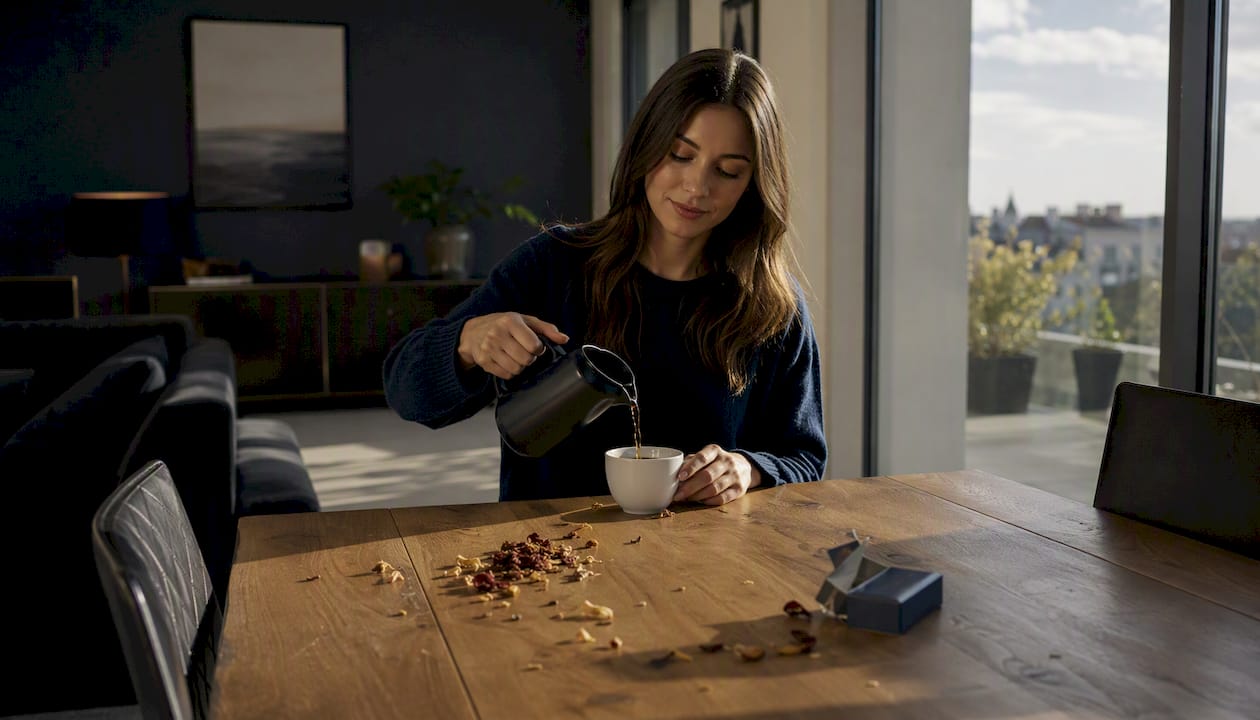
Extrinsic stains form on the outer enamel surface when chromogenic compounds from food, drink, or tobacco bind to the acquired pellicle, a thin protein film that coats teeth after brushing. The pigment stays on or just below the enamel surface, which is why mechanical removal and bleaching agents can reach it. Coffee and tobacco are the classic culprits.
Intrinsic stains originate inside the tooth, within the dentin or enamel matrix itself. They form either during tooth development (when a drug or mineral is incorporated into the growing structure) or after the tooth erupts (when pulp damage or root canal materials leach pigment into surrounding dentin). Tetracycline antibiotics taken before age 8 and dental trauma are two well-documented causes.
Age-related staining is not purely one or the other. As enamel wears and thins over decades, the naturally darker dentin underneath shows through more prominently. Secondary dentin also continues to deposit throughout life, gradually shifting tooth shade toward yellow or gray. The result looks like generalized yellowing, but the mechanism is structural, not just surface buildup.
Color gives useful diagnostic clues. Yellow usually signals surface staining or age-related dentin exposure. Brown often links to tobacco or decay. Gray or blue may indicate a non-vital tooth with pulp necrosis. White flecks or brown mottling can point to fluorosis or early demineralization.
What causes extrinsic stains and how do you remove them?
Surface staining is the most common type, and the good news is that it is also the most treatable.
Common causes
The usual suspects are well-known: coffee, tea, red wine, cola, berries, soy sauce, and tobacco. Less obvious sources include certain therapeutic mouthrinses. Chlorhexidine and stannous fluoride formulations can cause persistent brown or yellow surface deposits, and iron supplements taken orally are another underappreciated cause. These agents are clinically valuable, but long-term use without diligent hygiene tends to leave visible staining.
Extrinsic stains typically appear as a uniform yellow or brown tint across multiple teeth, sometimes concentrated near the gumline or between teeth where plaque accumulates. Tobacco staining often produces a darker, more tenacious brown deposit that resists ordinary brushing.
Removal options
Professional prophylaxis (scaling and polishing) is the fastest route to a clean baseline. It removes calcified tartar that traps chromogens and polishes away surface pigment in a single visit. In-office bleaching and take-home tray systems produce the fastest visible improvements for extrinsic stains, with take-home trays offering more gradual but controlled results over one to three weeks.
For daily maintenance, a whitening toothpaste with mild abrasives or low-dose peroxide keeps surface pigment from building back up between professional visits. Whitening pens, like those in Getsmilefam’s lineup, apply a targeted dose of whitening serum directly to enamel surfaces and work well for spot maintenance after meals or before events.
One important caveat: long-standing extrinsic stains can penetrate enamel microstructure and bind to dentin collagen, producing an internalized stain that no longer responds to surface-only bleaching. Early maintenance prevents that progression.
Pro Tip: Rinse with water immediately after drinking coffee or red wine. You do not need to brush right away (acid softens enamel temporarily), but rinsing removes the chromogenic liquid before it has time to bind to the pellicle. Using a straw for cold staining beverages cuts contact with enamel significantly.
Why are intrinsic stains harder to treat?
Intrinsic discoloration is a different problem entirely, and treating it like a surface stain is one of the most common mistakes people make.
How intrinsic stains form
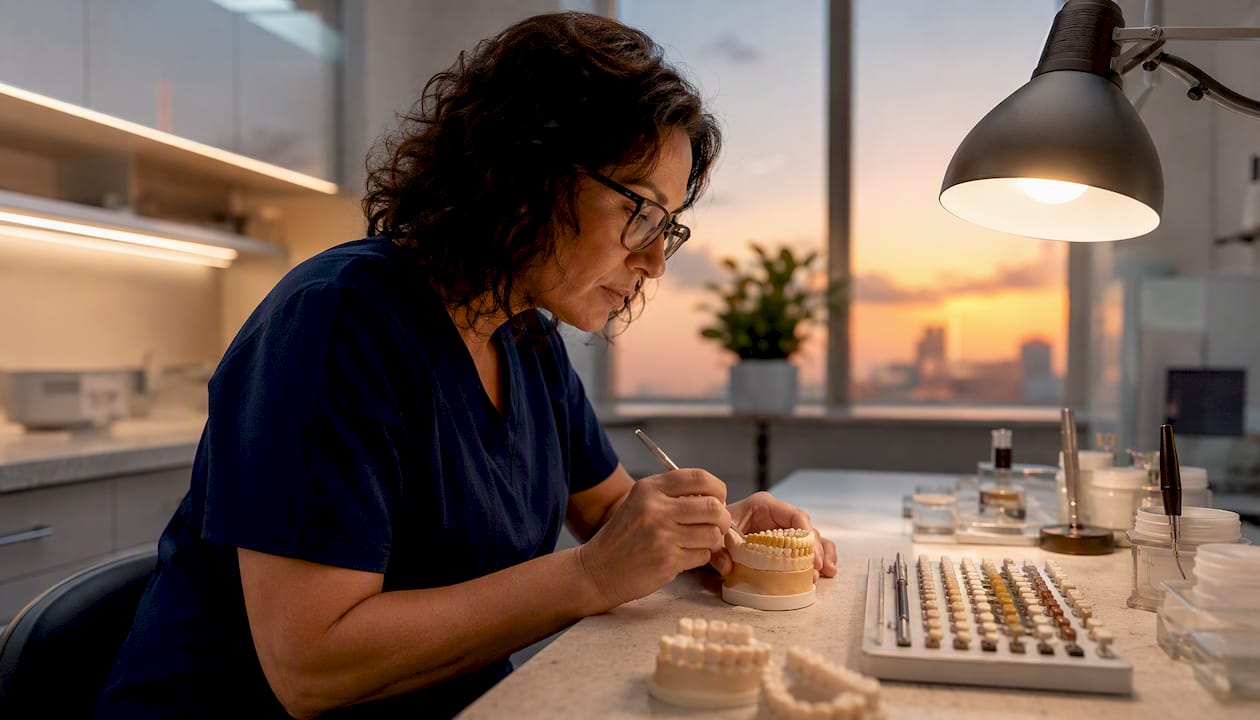
The mechanism depends on when the staining occurs. During tooth development, certain drugs and minerals get incorporated directly into the forming enamel and dentin. Tetracycline exposure during tooth formation is the most documented example: the antibiotic chelates with calcium in developing teeth, producing permanent discoloration that ranges from yellow-brown to dark gray, often in horizontal bands across the tooth. The timing and duration of exposure determine how severe and where on the tooth the banding appears.
After a tooth erupts, intrinsic staining can still develop. Dental trauma that damages the pulp leads to pulp necrosis, and the breakdown products leach into surrounding dentin, producing a gray or brown discoloration that is visible through the enamel. Root canal treatment materials and some restorations can also cause internal staining over time.
Developmental conditions like amelogenesis imperfecta (a defect in enamel formation) and dentinogenesis imperfecta (a dentin structure defect) produce their own characteristic discoloration patterns, usually generalized and affecting all teeth.
What intrinsic stains look like
The visual cues matter here. Banding across multiple teeth in a horizontal pattern suggests tetracycline. A single tooth that is noticeably darker than its neighbors, particularly with a gray or blue tint, points to pulp necrosis or prior trauma. White flecks or chalky patches that do not wipe off suggest fluorosis or early demineralization. Brown mottling across multiple teeth can also indicate moderate to severe fluorosis.
Gray or blue discoloration on a single tooth is a clinical red flag. It often signals a non-vital tooth, meaning the pulp has died, and the appropriate response is a dental evaluation, not a whitening treatment. Applying bleaching agents to a non-vital tooth without proper assessment can mask a problem that needs restorative or endodontic care.
Treatment realities
Standard peroxide bleaching has limited effect on most intrinsic stains. Structural defects, deep trauma, and tetracycline staining typically need restorative solutions: veneers, bonding, or crowns that mask the discoloration rather than chemically reverse it. Internal bleaching (the walking bleach technique) is a specialist procedure for non-vital teeth that can lighten pulp-necrosis-related discoloration, but success varies and restorative masking may still be needed afterward. Microabrasion, a technique that removes a thin layer of surface enamel, can address mild fluorosis spots but is not appropriate for deeper intrinsic staining.
How does aging change your tooth color?
Age-related discoloration is gradual, predictable, and often misread as simple surface staining.
The biology is straightforward. Enamel, the hard outer shell of a tooth, wears down over decades of chewing, grinding, and acid exposure. As it thins, the naturally yellow dentin beneath becomes more visible through the translucent enamel layer. Simultaneously, the pulp chamber lays down secondary dentin throughout life, which is denser and darker than primary dentin, further deepening the tooth’s overall shade.
The result is a generalized yellowing or darkening that affects all teeth roughly equally, unlike the localized or banded patterns of intrinsic staining. Age-related discoloration also tends to look different from extrinsic staining: it is not concentrated near the gumline or between teeth, and it does not respond dramatically to a single cleaning appointment.
Treatment options and what to expect:
- Whitening toothpaste and at-home whitening products: useful for mild age-related yellowing; results are gradual and require consistent use
- Professional in-office bleaching: produces faster, more noticeable results, but enamel thinning limits how bright the final shade can go
- Take-home tray systems: a good middle ground for moderate discoloration; results appear over one to three weeks
- Veneers or bonding: the most reliable option for significant age-related darkening, since they physically cover the tooth rather than trying to chemically reverse structural changes
Enamel erosion is the key limiting factor. Severely thinned enamel means less structure for bleaching agents to work on, and it also means greater sensitivity during treatment. A dentist can assess enamel thickness and recommend whether whitening is appropriate or whether a restorative approach will give better results.
When should you see a dentist instead of trying whitening first?
Not every discolored tooth is a cosmetic problem. Some color changes are symptoms of something that needs clinical care.
Dentists assess discoloration by combining patient history with clinical observation. Relevant history includes childhood antibiotic use (especially tetracyclines), any history of dental trauma, prior root canal treatment, and current medications. The pattern matters too: generalized discoloration across all teeth points toward systemic or developmental causes, while a single tooth that has changed color is almost always a local problem.
A single tooth that darkens after an injury, or that gradually turns gray or blue without obvious cause, needs a dental evaluation before any whitening treatment is attempted. Pulp vitality testing, transillumination, and dental radiographs can confirm whether the pulp is still alive and whether decay or internal resorption is present. Whitening a tooth with active decay or pulp necrosis does not fix the underlying problem and can delay necessary treatment.
Red-flag signs that warrant a dental visit rather than an over-the-counter whitening product:
- Gray or blue discoloration on a single tooth
- Rapid color change following a knock or injury
- Pain, swelling, or sensitivity accompanying the discoloration
- White-brown hypoplastic bands that may indicate fluorosis or a developmental defect
- Discoloration that appeared during childhood and has been stable since
For these presentations, whitening is either ineffective or inappropriate as a first step. The clinical signs that warrant urgent evaluation include single-tooth darkening, sudden color change after trauma, and gray or blue discoloration suggesting pulp necrosis. Before starting any whitening regimen, a pre-whitening checklist can help you identify whether your situation calls for a dentist first.
Which treatment works best for each stain type?
| Stain type | First-line treatment | Expected improvement | Durability |
|---|---|---|---|
| Extrinsic | Professional prophylaxis or whitening | High, often immediate | Requires maintenance |
| Extrinsic (mild) | At-home whitening toothpaste or pen | Moderate, gradual | Ongoing use needed |
| Age-related (mild) | Take-home tray or in-office bleaching | Moderate | Periodic top-ups needed |
| Age-related (significant) | Veneers or bonding | High, lasting | about a decade with proper care |
| Intrinsic (fluorosis, mild) | Microabrasion or bleaching | Variable | Stable once treated |
| Intrinsic (tetracycline, trauma) | Veneers, bonding, or crowns | High (masking) | about a decade with proper care |
| Intrinsic (non-vital tooth) | Internal bleaching, then restoration | Variable | May need restoration |
Pros and cons of major options:
- Scaling and polish: fast, no sensitivity risk, no chemical agents; does not address intrinsic staining or significant yellowing
- In-office bleaching: fastest cosmetic result for extrinsic and mild age-related stains; higher cost, possible temporary sensitivity
- Take-home tray systems: controlled, gradual, lower cost than in-office; requires consistent daily use over weeks
- Internal bleaching: can lighten non-vital teeth without covering them; specialist procedure, variable results, may still need a crown or veneer
- Veneers and bonding: covers any stain type reliably; irreversible enamel reduction required, higher cost, eventual replacement needed
The practical sequence for most people: start with a professional cleaning to establish a clean baseline, then try conservative at-home or in-office peroxide whitening. If results plateau or the stain is clearly intrinsic, escalate to internal bleaching or restorations with your dentist’s guidance. For at-home whitening benefits and limitations, Getsmilefam’s blog covers the realistic expectations in detail.
How do you prevent staining and keep whitening results longer?
Prevention is mostly about timing and consistency, not dramatic lifestyle changes.
Daily habits that make a real difference:
- Brush twice daily with a fluoride toothpaste; a whitening toothpaste as your regular option helps manage surface pigment between professional visits
- Floss daily to remove chromogen-trapping plaque from between teeth
- Rinse with water after coffee, tea, or red wine when brushing is not immediately possible
- Use a straw for cold staining beverages to reduce enamel contact
- Avoid tobacco in all forms; tobacco staining is among the most tenacious and is a risk factor for gum disease and oral cancer independently of cosmetics
Periodic maintenance:
- Professional prophylaxis every six months is the standard recommendation for most adults; people with heavy staining or gum disease may benefit from more frequent visits
- At-home whitening top-ups every three to six months maintain results after an initial treatment; whitening frequency guidelines from Getsmilefam outline safe cadences to avoid overuse
- Re-evaluate with a dentist annually to catch any new intrinsic changes or enamel wear
Diet and lifestyle checkpoints:
- Limit chlorhexidine mouthrinse to prescribed short courses; it is effective for gum disease but causes significant staining with long-term daily use
- If you take iron supplements orally, ask your dentist about liquid formulations or timing strategies to reduce staining
- Fluoridated mouthrinse used at a different time from brushing adds decay protection without the staining risk of chlorhexidine
A simple maintenance schedule: brush and floss daily, rinse after staining drinks, use a whitening toothpaste as your standard product, and schedule a professional cleaning every six months. Add a whitening top-up session every three to six months if you drink coffee or tea regularly.
What do treatments cost and how long do they take in the U.S.?
Costs vary significantly by region, dentist pricing, and whether preliminary care (decay treatment, gum disease management) is needed first. These are broad ballpark ranges for planning purposes.
Typical U.S. cost ranges:
- Professional prophylaxis (cleaning and polish): roughly $75–$200 per visit, often partially covered by dental insurance
- In-office bleaching (e.g., Zoom or similar): approximately $300–$1,000 per session depending on the system and location
- Take-home tray systems from a dentist: typically $100–$400 for custom trays plus gel; over-the-counter strip kits run $20–$60
- Internal bleaching (non-vital tooth): $200–$500 per tooth, usually not covered by insurance as a cosmetic procedure
- Dental veneers: $900–$2,500 per tooth depending on material (composite vs. porcelain) and location; bonding is generally less expensive at $300–$600 per tooth
- Microabrasion: $100–$300 per tooth, depending on extent
Timeline expectations:
- Single professional cleaning: one appointment, results visible immediately
- In-office bleaching: one to two sessions, each 60–90 minutes
- Take-home tray whitening: one to three weeks of daily use for noticeable results
- Internal bleaching: multiple appointments over two to four weeks; a restoration appointment follows
- Veneers or bonding: two to three appointments over two to four weeks for preparation, fabrication, and placement
Cosmetic procedures are rarely covered by dental insurance; diagnostic visits and treatment for decay or gum disease usually are. Get an in-person consultation for a firm estimate, and ask specifically about insurance coverage for the diagnostic portion of the visit. For a cost-conscious perspective on whitening without expensive dental visits, Getsmilefam’s guide covers realistic at-home alternatives.
This article provides general information, not professional dental advice. Confirm current treatment recommendations and costs with a licensed dentist.
Key Takeaways
Extrinsic stains respond to cleaning and whitening; intrinsic stains usually need restorative dental work; and age-related discoloration falls in between, responding partially to whitening but sometimes requiring cosmetic restorations for lasting results.
| Point | Details |
|---|---|
| Stain type determines treatment | Extrinsic stains respond to cleaning and whitening; intrinsic stains typically need veneers, bonding, or internal bleaching. |
| Gray or blue discoloration needs a dentist | Single-tooth darkening or gray/blue color after trauma signals pulp necrosis, not a cosmetic whitening case. |
| Age-related yellowing has limits | Enamel thinning reduces whitening effectiveness; significant age-related darkening often responds better to restorations. |
| Prevention extends results | Rinsing after staining drinks, twice-daily brushing, and professional cleanings every six months slow re-staining significantly. |
| Getsmilefam for at-home maintenance | Getsmilefam’s BLU Whitening Technology products are designed for extrinsic and mild age-related staining, with enamel-safe formulas suited to daily maintenance. |
The part most whitening advice gets wrong
There is a gap between what the whitening industry implies and what the clinical evidence actually supports, and it is worth naming directly.
Most marketing around teeth whitening treats all discoloration as the same problem with the same solution: apply peroxide, get white teeth. That framing works for extrinsic staining, which is genuinely common and genuinely responsive to bleaching. But it quietly fails the significant portion of people whose discoloration is intrinsic or structural. Someone with tetracycline banding or a non-vital tooth who spends months on whitening strips is not just wasting money; they are potentially delaying a diagnosis that matters.
The more useful mental model is this: whitening is a maintenance and cosmetic tool for surface-level and mild age-related discoloration. It is not a diagnostic substitute. Color is a symptom, and the cause determines the treatment. A gray tooth and a yellow tooth are not the same problem wearing different shades.
What I find genuinely underappreciated is the role of early intervention for extrinsic staining specifically. Surface chromogens that are removed promptly stay surface-level. Left long enough, they penetrate enamel microstructure and bind to dentin collagen, at which point they no longer respond to surface bleaching. The window for easy removal is real, and most people do not know it closes.
At-home whitening products, including Getsmilefam’s enamel-safe options, fit best in a clear role: maintaining a clean baseline after professional treatment, managing mild surface staining between dental visits, and supporting a dentist-guided plan for people with extrinsic or mild age-related discoloration. That is a genuinely useful role. The mistake is expecting them to do more than that for stains that live deeper than enamel.
Getsmilefam’s at-home whitening: what it actually helps
Whitening at home is the right first move for most people with extrinsic or mild age-related discoloration. It is not the right move for intrinsic staining, non-vital teeth, or active decay, and no reputable product claims otherwise.
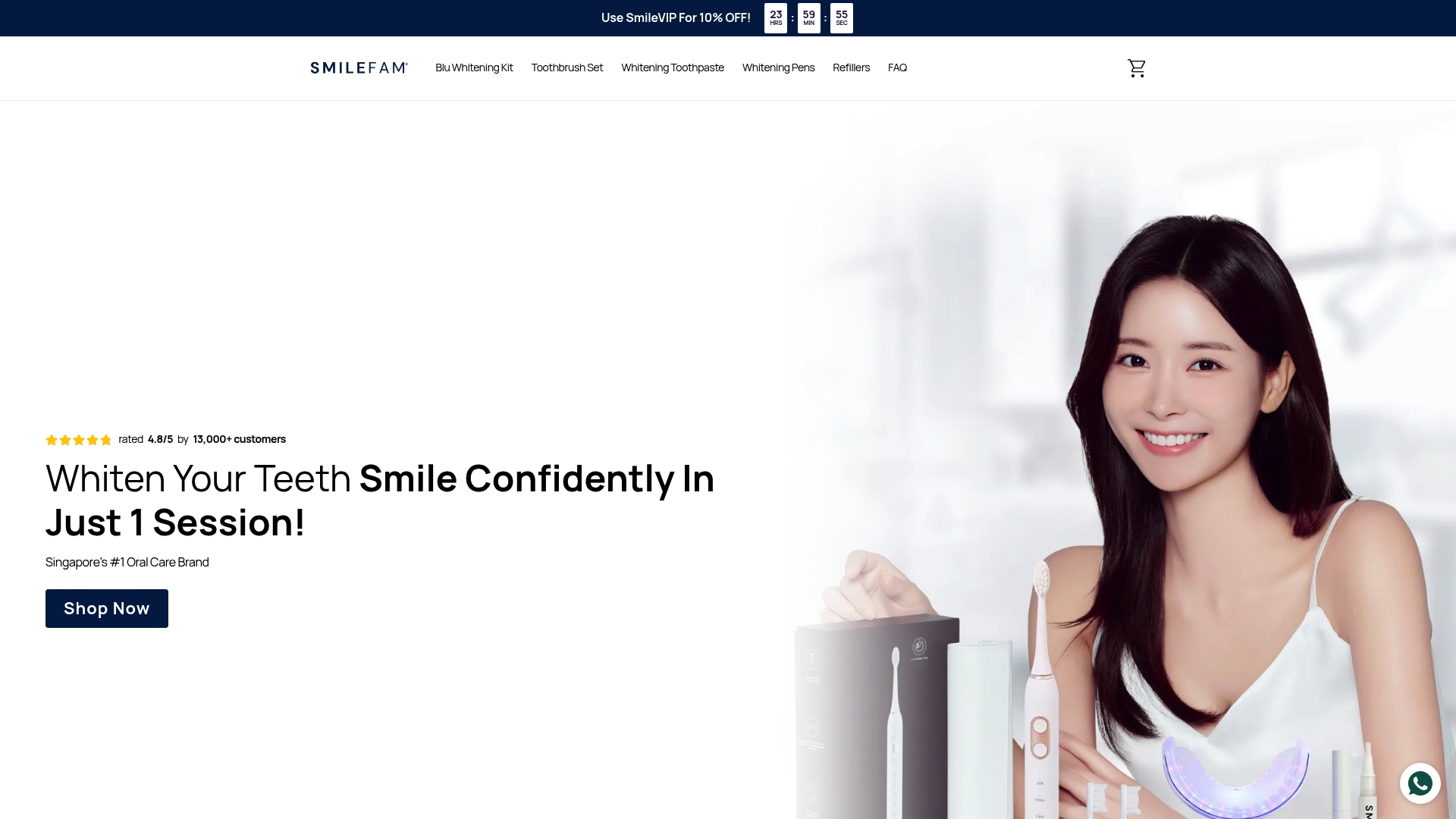
Getsmilefam’s BLU Whitening Technology is built for exactly the cases where at-home whitening works: surface pigment from coffee, tea, tobacco, and everyday diet, plus the gradual yellowing that comes with age. The formulas are enamel-safe, free from harsh chemicals, and designed for people with sensitive gums who have been burned by aggressive whitening products before. The BLU Whitening Toothpaste works as a daily maintenance product that keeps surface staining from building back up between professional cleanings, which is where most people lose their results.
If you have already had a dental cleaning and want to maintain or extend those results at home, the practical next step is to explore Getsmilefam’s whitening range and find the product that fits your routine. If you are unsure whether your staining is extrinsic or something deeper, start with a dental consultation, then come back to at-home maintenance once you have a clear picture.
Authoritative sources and further reading
These are the strongest clinical and educational references used in this article, all U.S.-focused or internationally recognized:
- Cleveland Clinic: Tooth Discoloration: comprehensive patient-facing overview of causes, color clues, and treatment options; the most accessible clinical starting point
- MedlinePlus: Abnormal Tooth Colors: a U.S. National Library of Medicine resource covering prevention and when to seek care; concise and authoritative
- PMC / NIH: Tooth Discoloration Research: peer-reviewed clinical literature on stain classification and treatment mechanisms for readers who want the academic depth
- Pocket Dentistry: Tooth Discoloration: detailed clinical reference covering the Nathoo classification, tetracycline staining mechanisms, and internal bleaching techniques
- Paynless Dental: What Causes Tooth Stains: a patient-friendly explainer on stain causes and dietary contributors, useful for additional examples
For practical how-to guidance and product details on safe at-home whitening, Getsmilefam’s blog at getsmilefam.com covers application techniques, safety tips, and maintenance schedules in plain language.