

Whitening treatment comparison options fall into three clear categories: professional in-office bleaching, dentist-supervised custom take-home trays, and over-the-counter products. Each differs significantly in cost, speed, and the depth of results it can deliver. Professional in-office treatments produce the fastest and most dramatic shade changes, custom trays offer a middle ground between cost and effectiveness, and OTC products work best for mild surface staining on a tight budget. The right choice depends on your stain type, sensitivity level, timeline, and how much you want to spend.
1. Whitening treatment comparison options: what you need to know first
Before comparing specific methods, two terms define whether any treatment will work for you: extrinsic stains and intrinsic stains. Extrinsic stains sit on the outer enamel surface and come from coffee, tea, wine, and tobacco. Intrinsic stains form inside the tooth structure, often from tetracycline antibiotics, fluorosis, or aging. Standard peroxide bleaching works well on extrinsic stains. Intrinsic stains require specialized protocols like KöR deep bleaching, which standard OTC products cannot address.
The three core factors to weigh across every method are cost, treatment time, and sensitivity risk. Speed and strength come with higher peroxide concentrations, which also raise sensitivity risk. Budget options trade potency for affordability. Knowing which factor matters most to you makes the comparison straightforward.
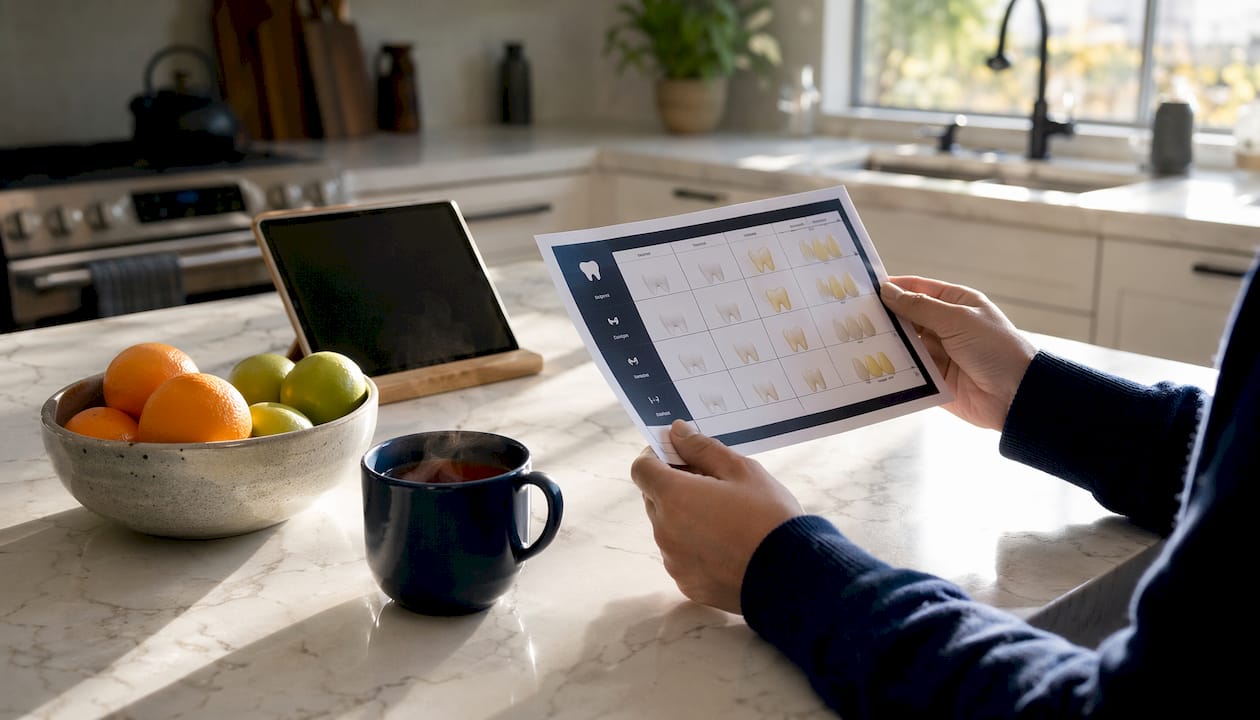
2. Professional in-office whitening: fastest results, highest cost
Professional in-office whitening is the fastest teeth whitening method available. A single session uses 25–40% hydrogen peroxide with light or laser activation and takes 60–90 minutes. That means you leave the chair with visibly whiter teeth the same day.
Results range from 5–10 shade improvements in a single visit. Advanced protocols like KöR deep bleaching can achieve up to 16 shades, including difficult intrinsic stains. That level of change is not possible with any at-home method.
Pros:
- Immediate, dramatic results in one session
- Dentist controls gel concentration and application
- Gum tissue protected with barriers during treatment
- Effective on both extrinsic and certain intrinsic stains
Cons:
- Costs range from $300–$1,000 depending on location and protocol
- Post-treatment sensitivity peaks within 24–72 hours
- Results fade without maintenance
- Not suitable for crowns, veneers, or bonding
Pro Tip: Ask your dentist about potassium nitrate desensitizing gel applied before or after the session. It significantly reduces the 24–72 hour sensitivity window.
Decades of clinical data confirm that professional whitening is safe for enamel when supervised by a dentist. Sensitivity and gum burns come from misuse and poor fit, not the treatment itself.
3. Dentist-supervised custom take-home trays: the balanced approach
Custom take-home trays sit between in-office treatments and OTC products in every meaningful category. Your dentist takes impressions of your teeth and fabricates trays that fit your exact bite. You fill them with a professional gel and wear them daily at home.
The gel concentration is 10–22% carbamide peroxide, which is gentler than in-office formulas but far stronger than anything sold over the counter. Treatment runs 7–14 days or longer, with results of 4–8 shade improvement. That is a meaningful change, just delivered more gradually.
Pros:
- Custom fit prevents gel from contacting gum tissue
- Lower sensitivity risk compared to in-office gels
- Reusable trays allow long-term touch-ups with gel refills
- Costs $300–$500 upfront, with refills available separately
Cons:
- Requires an initial dental visit for impressions
- Results take 1–2 weeks, not hours
- Daily compliance required for full results
- Upfront cost higher than OTC options
Pro Tip: Long-term maintenance with professional gel refills is more cost-effective than repeatedly buying OTC kits. The trays last years, so you only pay for gel over time.
Custom trays are the best choice for people with sensitive teeth or those who want professional-grade whitening at home without the in-office price tag. The custom fit is the key advantage. Generic trays from OTC kits cannot replicate it.
4. Over-the-counter whitening products: affordable but limited
OTC whitening products include strips, pens, and whitening toothpaste. They are the most accessible and affordable teeth whitening methods, but their results are the most modest. OTC strips contain 6–14% hydrogen peroxide and deliver 1–5 shade improvement over 2–4 weeks of consistent use.
The price range is $30–$80 per kit, making them the clear budget option. That affordability comes with real trade-offs. Generic strip fit means gel often contacts gum tissue, causing irritation. Whitening toothpaste removes surface stains through mild abrasives but does not bleach the tooth structure at all.
Pros:
- No dental visit required
- Widely available and affordable
- Good for mild extrinsic staining and maintenance
Cons:
- Cannot treat intrinsic stains or staining on restorations
- Generic fit increases gum irritation risk
- Results are gradual and less predictable
- LED activation in retail kits adds minimal benefit compared to professional settings
OTC products work well for people with mild surface staining who want a low-commitment option. They are also useful for maintaining results after a professional treatment. For anything beyond light staining, the results will likely disappoint.
5. How to choose the right whitening option for your situation
Choosing the best whitening treatment starts with identifying your stain type. Extrinsic stains from food and drink respond well to all three methods. Intrinsic stains from medications or fluorosis require professional protocols. No OTC product will move the needle on deep intrinsic discoloration.
- Assess your sensitivity. If your teeth already react to cold or hot foods, start with custom trays using lower carbamide peroxide concentrations. In-office high-concentration gels can intensify existing sensitivity significantly.
- Set a realistic timeline. If you have an event in 48 hours, in-office whitening is the only option that delivers visible results that fast. Custom trays need at least a week. OTC strips need 2–4 weeks.
- Calculate total cost, not just upfront cost. A $400 custom tray kit with $30 gel refills every six months costs less over three years than repeated OTC kit purchases. Long-term maintenance with professional gel refills preserves whitening longer than repeated OTC purchases.
- Consider combination therapy. Starting with an in-office session and following up with custom trays produces the fastest and most durable results. This approach achieves brightness and longevity that neither method delivers alone.
- Check your restorations. Crowns, veneers, and composite bonding do not respond to peroxide. Whitening only the natural teeth around them can create a color mismatch. A dentist can flag this before you start.
Cosmetic dentists consistently recommend matching the treatment to the individual’s stain type and enamel sensitivity rather than defaulting to the strongest available option. That advice holds whether you are spending $50 or $1,000.
6. Side-by-side comparison of whitening methods
The table below summarizes the key differences across all three methods to help you compare whitening products at a glance.
| Feature | In-office whitening | Custom take-home trays | OTC products |
|---|---|---|---|
| Shade improvement | 5–10 shades (up to 16 with KöR) | 4–8 shades | 1–5 shades |
| Treatment time | 60–90 minutes | 7–14 days | 2–4 weeks |
| Cost | $300–$1,000 | $300–$500 + refills | $30–$80 per kit |
| Sensitivity risk | Higher | Moderate | Lower to moderate |
| Maintenance | Custom trays recommended | Gel refills | Repeat purchases |
| Best for | Fast results, intrinsic stains | Sensitive teeth, flexibility | Mild staining, budget |
At-home treatments require 14 to 280 times longer total treatment duration than in-office methods. That gap explains why in-office results look so dramatic after a single appointment. The cumulative gel contact time is simply much higher in a controlled clinical setting.
For people exploring enamel-safe whitening options, the combination of professional supervision and enamel-compatible formulas matters more than the delivery method alone.
Key Takeaways
The most effective whitening approach matches treatment strength to stain type, sensitivity level, and timeline rather than defaulting to the most expensive or most convenient option.
| Point | Details |
|---|---|
| In-office delivers fastest results | A single 60–90 minute session produces 5–10 shade improvement using 25–40% hydrogen peroxide. |
| Custom trays balance cost and results | 10–22% carbamide peroxide over 7–14 days yields 4–8 shades at $300–$500 with reusable trays. |
| OTC products suit mild staining only | Strips with 6–14% peroxide improve 1–5 shades but cannot treat intrinsic stains or restorations. |
| Combination therapy wins long-term | In-office start plus custom tray follow-up delivers the brightest and most durable results. |
| Stain type determines success | Intrinsic stains require specialized protocols; standard peroxide does not fully resolve them. |
My honest take on picking a whitening method
My honest take on picking a whitening method
I have spent years watching people buy the wrong whitening product for their situation. The most common mistake is choosing based on price alone. Someone with tetracycline staining buys OTC strips, uses them for a month, sees almost no change, and concludes that whitening does not work. It works. They just used the wrong tool.
The second mistake is treating in-office whitening as a one-time fix. The results are real and fast, but teeth restain. Without a maintenance plan, most people are back to their pre-treatment shade within a year. The dentists I trust most always pair an in-office session with custom trays for exactly this reason. You get the dramatic immediate result, then you protect it.
Sensitivity is the factor most people underestimate. If you already have sensitive teeth, jumping straight to a high-concentration in-office gel can make the next 72 hours genuinely uncomfortable. Starting with a lower-concentration custom tray protocol and protecting your enamel throughout the process is a smarter path. The results take longer, but you are not white-knuckling through sensitivity to get there.
The LED light question comes up constantly. Consumer kits market LED activation heavily, but the main driver of whitening effectiveness is peroxide gel chemistry. LED in a retail kit is mostly theater. In a professional setting with the right wavelength and gel formulation, light activation does add measurable value. At home with a $60 kit, it does not. Spend your money on gel quality, not the light.
My final point: get a dental check before you start any whitening protocol. Cavities, cracked enamel, and exposed roots all change what is safe and effective for you. A 15-minute consultation can save you weeks of wasted effort and real discomfort.
— Lenney
Getsmilefam’s enamel-safe whitening solutions
Choosing the right whitening method is only half the equation. Maintaining results without damaging your enamel is the other half.
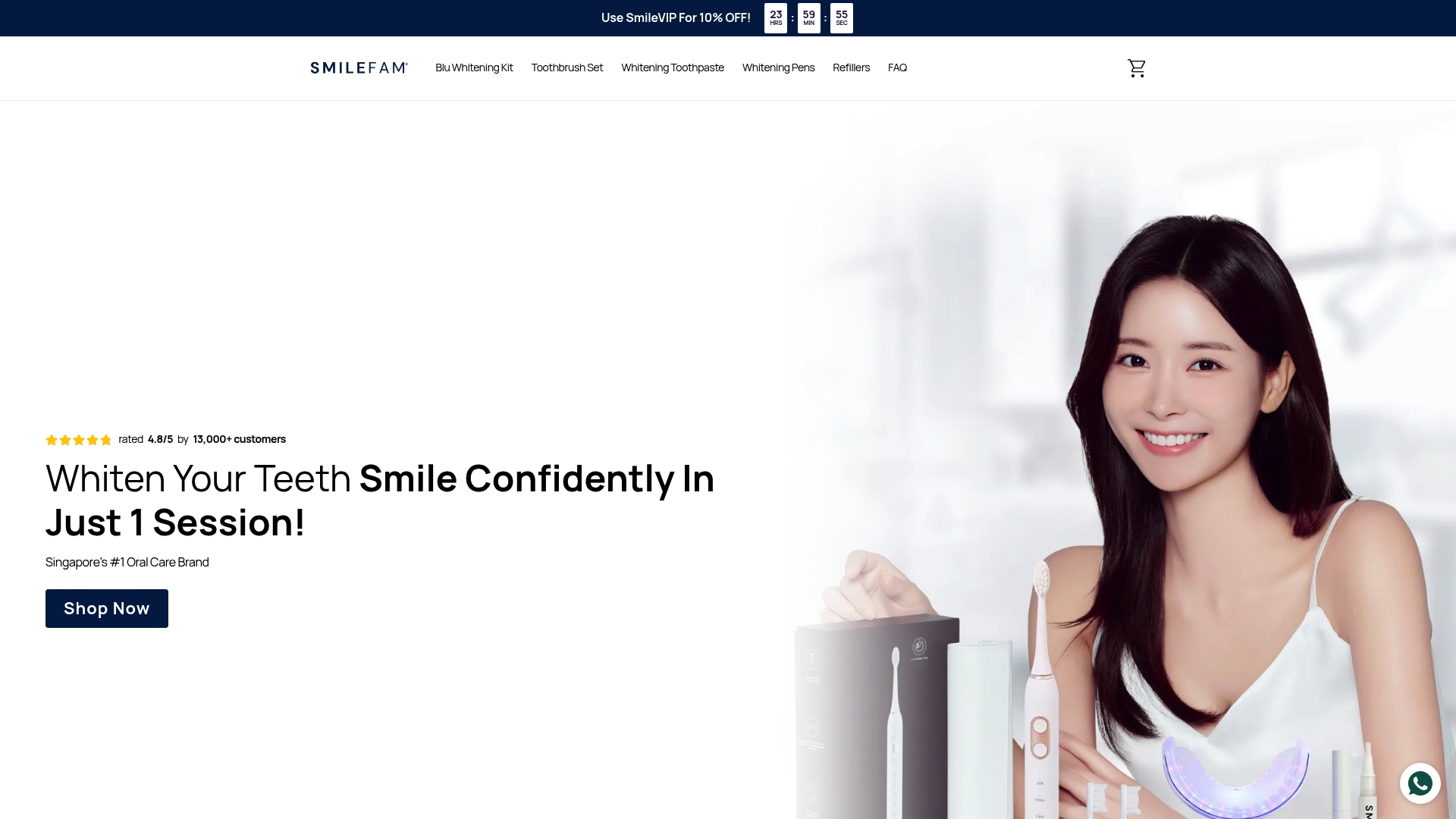
Getsmilefam’s BLU Teeth Whitening Kit uses BLU Whitening Technology developed in Singapore, with an enamel-safe formula free from harsh chemicals. It delivers visible results in a single session and suits people with sensitive gums. The BLU Whitening Toothpaste keeps your shade between treatments without abrasive damage. Both products use lab-approved ingredients designed for daily safe use. If you want professional-quality results at home without the dental chair price tag, Getsmilefam’s range is built for exactly that.
FAQ
What is the fastest teeth whitening method?
Professional in-office whitening is the fastest method, delivering 5–10 shade improvement in a single 60–90 minute session using 25–40% hydrogen peroxide with light activation.
Are OTC whitening strips as effective as professional treatments?
OTC strips improve teeth by 1–5 shades over 2–4 weeks, compared to 5–10 shades from a single in-office session. They work for mild extrinsic staining but cannot treat intrinsic stains.
Does teeth whitening damage enamel?
Professional whitening does not damage enamel when supervised by a dentist. Decades of clinical data confirm its safety. Sensitivity and gum irritation result from misuse or poor-fitting trays, not the treatment itself.
How long do whitening results last?
Results vary by method and lifestyle. In-office whitening typically lasts 6–12 months without maintenance. Custom tray touch-ups with professional gel refills extend results significantly longer than repeated OTC purchases.
What whitening treatment works best for sensitive teeth?
Custom take-home trays with 10–22% carbamide peroxide are the best option for sensitive teeth. The custom fit prevents gel from touching gum tissue, and the lower concentration reduces sensitivity risk compared to in-office gels.