

Teeth whitening best practices in 2026 center on peroxide-based treatments, which remain the only clinically proven method for changing tooth color from within. The dental term for this process is tooth bleaching, and it works by breaking down chromogens embedded in enamel and dentin. Consumer products and professional treatments both use peroxide chemistry, but they differ sharply in concentration, cost, and results. Getting the approach wrong risks sensitivity, enamel erosion, and wasted money. This guide covers what actually works, what to avoid, and how to stay safe.
1. What are the best teeth whitening practices in 2026?
Peroxide-based bleaching is the gold standard for tooth whitening. Peroxide chemistry drives results, not LED lights, charcoal, or “natural” formulas. The two active agents are hydrogen peroxide and carbamide peroxide, with carbamide breaking down into hydrogen peroxide once applied. Every clinically validated whitening product uses one of these two compounds.
The core principle across all effective methods is the same: peroxide penetrates enamel and oxidizes stain molecules. Concentration, contact time, and application method determine how dramatic the result is. Starting with a dental exam before any treatment reduces risk by identifying cavities, gum disease, or existing restorations that could complicate the process.
2. Professional in-office whitening: what to expect
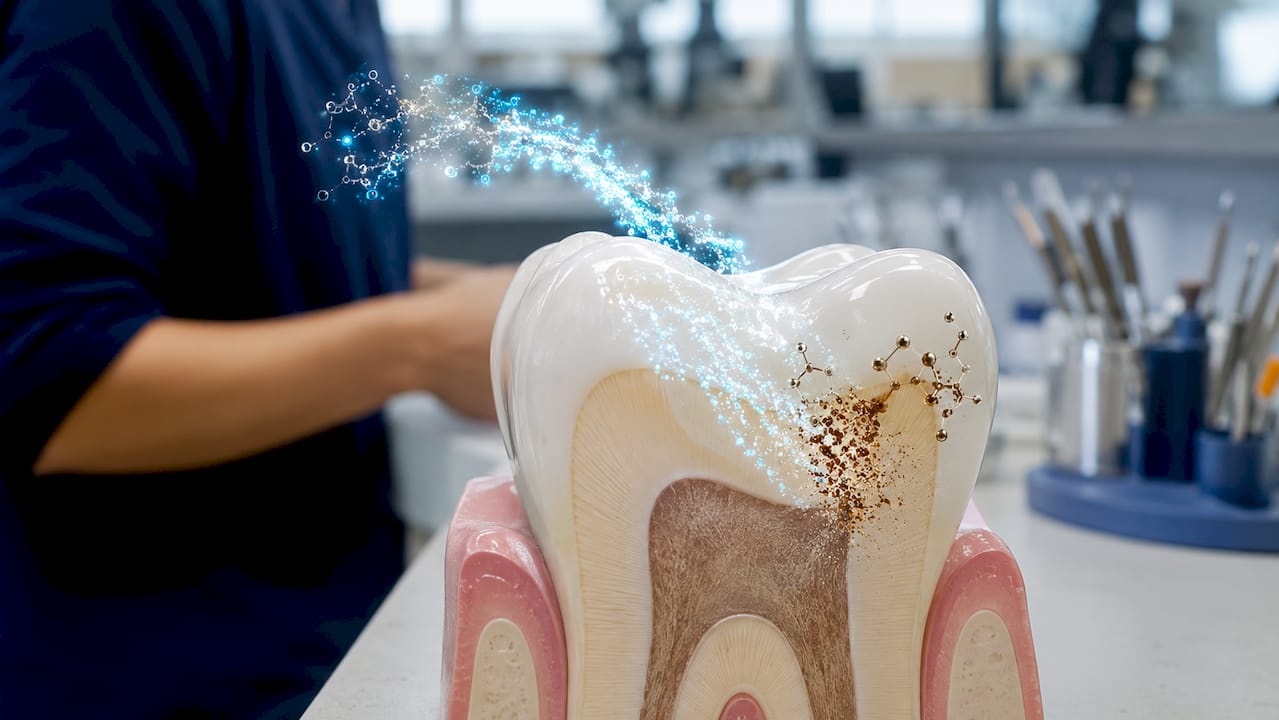
In-office whitening delivers the fastest results of any method available. In-office treatments use 25–40% peroxide and produce 6–10 shade improvements in a single 60–90 minute session. That level of change is not achievable with any over-the-counter product. Costs typically range from $300 to $800 depending on the practice and location.
The dentist applies a protective barrier to your gums before treatment. This prevents soft tissue irritation from the high-concentration gel. Some offices use light or heat to activate the gel, but the peroxide is doing the actual work.
Pro Tip: Ask your dentist about a custom take-home tray after your in-office session. Using a lower-concentration tray for maintenance over the following weeks extends and stabilizes your results.
Professional take-home trays
Custom-fitted trays from a dental office use carbamide peroxide at 15–35% concentration. They deliver 4–8 shade improvements over two to four weeks of nightly wear. The custom fit is critical. It keeps the gel in contact with teeth and away from gums, reducing irritation significantly compared to generic trays.
| Method | Peroxide Concentration | Shade Improvement | Approximate Cost |
|---|---|---|---|
| In-office bleaching | 25–40% hydrogen peroxide | 6–10 shades | $300–$800 |
| Professional take-home trays | 15–35% carbamide peroxide | 4–8 shades | $150–$400 |
| OTC whitening strips (14% HP) | 14% hydrogen peroxide | 2–5 shades | ~$45 |
| Low-concentration strips (3–6%) | 3–6% hydrogen peroxide | 1–3 shades | $15–$30 |
3. Which at-home whitening products actually work?
Over-the-counter strips with 14% hydrogen peroxide are the strongest consumer option available without a prescription. 14% hydrogen peroxide strips like Crest 3D Whitestrips Professional Effects produce 2–5 shade improvements in 20 days at roughly $45. That result is meaningful and clinically supported.
For people with sensitive teeth, lower-concentration strips are a better fit. 3% hydrogen peroxide strips are effective and safe, with adverse events comparable to placebo in randomized controlled trials. Results are more modest, but the tolerance is much better.
Top OTC whitening options by category:
- Strips (standard): Crest 3D Whitestrips Professional Effects (14% HP, 20-day program)
- Strips (sensitive): Low-concentration strips at 3–6% HP for mild improvement with minimal discomfort
- Whitening toothpaste: Products with 1–3% peroxide oxidize surface stains gradually over several months
- Gentle surface options: Weekly baking soda use can modestly reduce surface staining without damaging enamel
Pro Tip: Apply whitening strips to dry teeth. Saliva dilutes the peroxide gel and reduces contact time, which lowers effectiveness.
The benefits of at-home whitening go beyond cost savings. Consistent, low-concentration use over time maintains results without the sensitivity spikes that come from repeated high-dose treatments.
4. How to manage sensitivity and gum irritation
Sensitivity is the most common side effect of tooth bleaching. Peroxide penetrates dentinal tubules and causes hydrodynamic fluid movement, which stimulates nerve endings and produces that sharp, temporary pain. The sensation is normal but manageable.
Practical steps to reduce sensitivity:
- Use potassium nitrate toothpaste (such as Sensodyne) for two weeks before starting treatment
- Apply neutral sodium fluoride gel after each whitening session to remineralize enamel
- Reduce tray wear time or alternate days if discomfort increases
- Switch to a lower-concentration product if sensitivity persists beyond 48 hours
“Custom trays minimize gum contact with the bleaching agent, which is one of the most effective ways to reduce soft tissue irritation during at-home treatment.” — Clinical guidance from UK dental whitening protocols, 2026
Reducing wear time and alternating days is supported by clinical evidence for sensitive patients. Stopping treatment and consulting a dentist is the right call if sensitivity does not resolve within a few days.
5. Teeth whitening myths debunked
Several popular whitening claims do not hold up to clinical scrutiny. Knowing which ones to ignore saves money and protects your enamel.
Myth: LED lights whiten teeth on their own. LED devices do not whiten teeth independently. LED activation is largely a marketing claim. The peroxide in the gel does the work. Light may slightly accelerate the reaction in clinical settings, but consumer LED kits without adequate peroxide produce no meaningful color change.
Myth: “Peroxide-free” products whiten just as well. Peroxide-free products do not produce true color change. They may polish surface stains, but they cannot alter the internal color of enamel or dentin. Marketing language like “whitening” on these products refers to surface cleaning, not bleaching.
Myth: Charcoal toothpaste is a safe natural whitener. The American Dental Association advises against charcoal use for whitening. Activated charcoal is abrasive and risks enamel erosion with regular use. Lemon juice combined with baking soda carries the same risk. The acid in lemon juice softens enamel, and the abrasive action then removes it permanently.
Myth: Whitening works on crowns, veneers, and fillings. Dental restorations do not whiten. Bleaching agents only affect natural tooth structure. If you have visible restorations, whiten your natural teeth first, then replace the restorations to match your new shade. A two-week wait after bleaching is also necessary before placing bonding adhesive restorations, as residual oxygen from peroxide inhibits resin polymerization.
For a deeper look at common whitening misconceptions, the gap between marketing claims and clinical evidence is wider than most people realize.
6. Teeth whitening safety guidelines: who should be cautious
Not everyone is a good candidate for bleaching. A thorough dental exam before whitening identifies oral health issues that need to be addressed first. Untreated cavities, exposed roots, or active gum disease can make whitening painful and ineffective.
Groups who should consult a dentist before starting any whitening program:
- People with crowns, veneers, or composite bonding in visible areas
- Anyone with active gum disease or untreated decay
- Pregnant or breastfeeding individuals
- People with severe enamel erosion or dentinal hypersensitivity
European guidelines cap OTC peroxide at 6% for consumer products, with higher concentrations reserved for supervised professional use. This regulatory limit exists because higher concentrations without proper application technique increase the risk of pulp damage and gum burns. Understanding what makes a whitening formula safe helps you evaluate products before you buy.
7. How to maintain whitening results long-term
Whitening results are not permanent. Coffee, tea, red wine, and tobacco restain teeth within weeks of treatment if no maintenance steps are taken. The goal is to slow restaining, not eliminate it entirely.
Effective maintenance habits:
- Use a whitening toothpaste with 1–3% peroxide two to three times per week
- Rinse with water immediately after consuming staining beverages
- Schedule a professional cleaning every six months to remove surface buildup
- Run a short maintenance strip program (three to five days) every two to three months
Whitening results last longer when you start with a clean baseline. A professional cleaning before your first bleaching session removes tartar and surface stains that would otherwise block the peroxide from reaching enamel evenly.
Key takeaways
Peroxide-based bleaching is the only clinically proven method for whitening teeth, and matching the right concentration to your sensitivity level determines both your results and your comfort.
| Point | Details |
|---|---|
| Peroxide drives all real whitening | LED lights and peroxide-free products do not produce true color change in enamel. |
| Professional options deliver the most shade improvement | In-office treatments produce 6–10 shade improvements; custom trays produce 4–8 shades over weeks. |
| OTC strips work for most people | 14% hydrogen peroxide strips produce 2–5 shade improvements safely at roughly $45. |
| Sensitivity is manageable | Potassium nitrate toothpaste, reduced wear time, and custom trays all reduce discomfort effectively. |
| Restorations do not whiten | Whiten natural teeth first, then replace visible restorations to match the new shade. |
What I’ve learned about whitening after years of watching people get it wrong
Most people approach teeth whitening backwards. They buy the strongest product they can find, use it as often as possible, and then wonder why their teeth ache and the results fade in three weeks. The research is clear: moderate concentration used consistently outperforms high concentration used aggressively.
The dental exam step gets skipped constantly. People treat it as optional, but it is the single most important thing you can do before starting. I have seen people whiten over untreated cavities and end up with nerve pain that required a root canal. That is an expensive lesson.
I am also skeptical of the LED kit trend. The devices look impressive, but the clinical evidence does not support the price premium. If the kit does not contain adequate peroxide, the light is doing nothing useful. Spend your money on a product with a proven concentration, not a glowing mouthpiece.
The brands and products that earn my trust are the ones that publish their peroxide concentration clearly and do not hide behind vague claims like “whitening complex” or “activated formula.” Transparency about ingredients is the fastest way to tell a serious product from a marketing exercise.
— Lenney
Ready to whiten smarter with Getsmilefam?
Getsmilefam builds its whitening products around the same principle this article covers: effective ingredients, enamel-safe formulas, and results you can actually see.
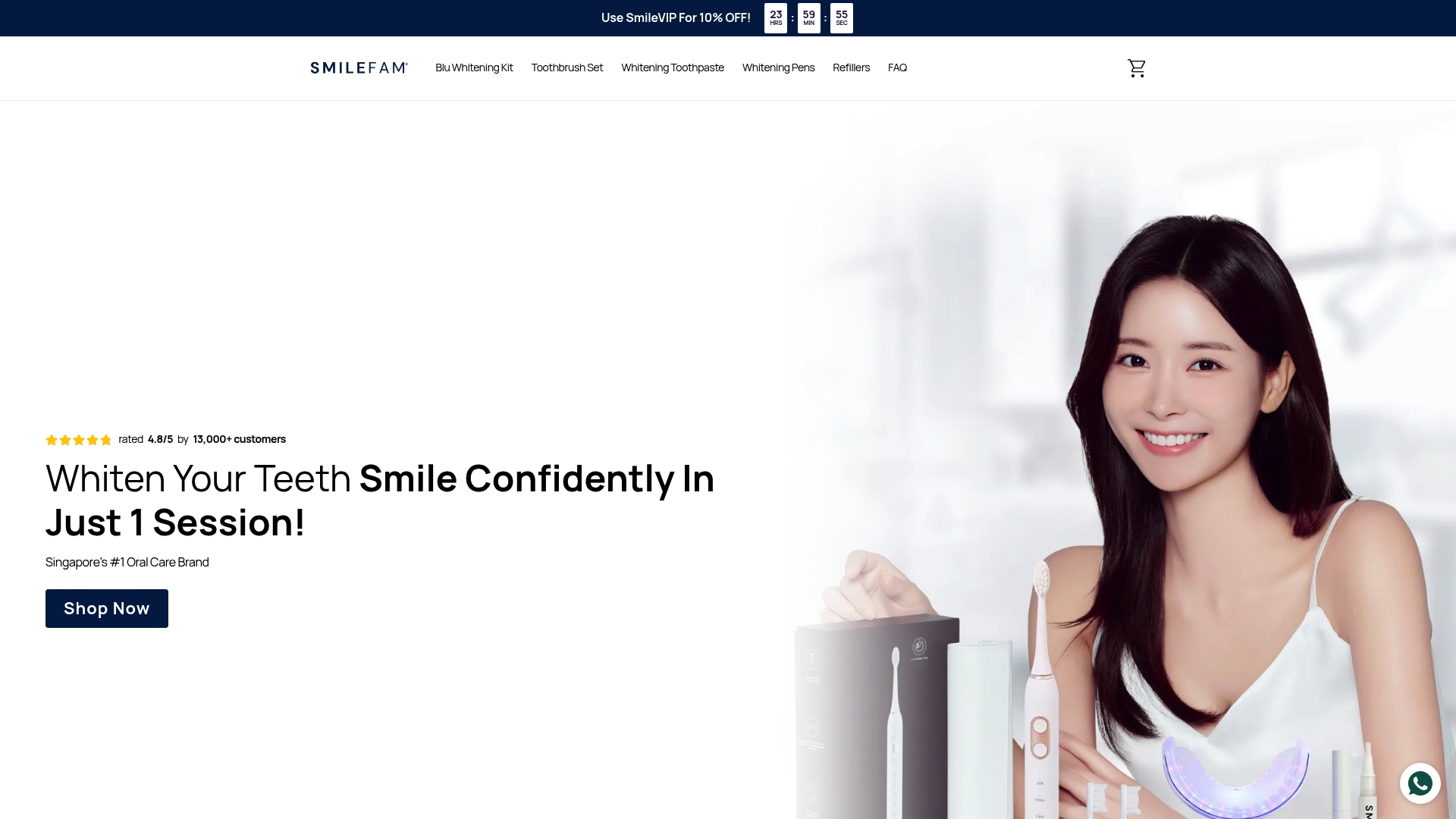
The Snow Serum™ Whitening Pen is Getsmilefam’s flagship product, designed for convenient on-the-go brightening with a formula that is gentle on sensitive gums. For a complete at-home program, the BLU Teeth Whitening Kit combines effectiveness with enamel safety using Getsmilefam’s proprietary BLU Whitening Technology, developed in Singapore. Both products are built for people who want real results without the cost of repeated in-office visits. If you are ready to act on what you have learned here, Getsmilefam is a practical next step.
FAQ
What is the most effective teeth whitening method in 2026?
In-office professional bleaching with 25–40% hydrogen peroxide delivers the most dramatic results, producing 6–10 shade improvements in a single session. For at-home use, 14% hydrogen peroxide strips are the strongest clinically supported consumer option.
Are peroxide-free whitening products worth buying?
Peroxide-free products do not produce true internal color change. They may remove light surface stains through mild abrasion, but they cannot bleach enamel or dentin the way peroxide-based products do.
How do I reduce sensitivity during whitening treatment?
Use potassium nitrate toothpaste for two weeks before starting, apply sodium fluoride gel after each session, and reduce wear time if discomfort increases. Switching to a lower-concentration product is the most reliable fix for persistent sensitivity.
Can I whiten teeth if I have crowns or veneers?
Bleaching agents do not affect dental restorations. Whiten your natural teeth first to reach your target shade, then replace visible crowns, veneers, or composite bonding to match. Wait at least two weeks after bleaching before placing new bonded restorations.
How long do teeth whitening results last?
Results vary based on diet and maintenance habits. Coffee, tea, and red wine accelerate restaining. Using a whitening toothpaste regularly and running a short maintenance strip program every two to three months extends results significantly.