

Yes, curry stains teeth, and the single most useful thing you can do right after a curry meal is rinse your mouth with water, then wait about 30 minutes before brushing. That pause matters because the acids in a meal temporarily soften enamel, and brushing too soon can scratch the surface rather than clean it.
The staining culprit is curcumin, the deep yellow pigment in turmeric. Research published in Odontology in 2025 found that in a lab immersion model, curry produced relatively low enamel color change compared to several soy sauces, but the authors were clear that immersion studies don’t replicate the way people actually eat. In real life, frequency is what tips the scale: a weekly curry dinner is unlikely to cause visible yellowing, but frequent turmeric-containing beverages may increase staining risk.
Key Takeaways
Curry stains teeth through curcumin binding to the pellicle, but most discoloration is surface-level and responds to consistent home care, safe whitening products, or professional cleaning.
| Point | Details |
|---|---|
| Staining mechanism | Curcumin binds to the tooth’s pellicle and plaque; keeping plaque low is the most effective prevention. |
| Rinse and wait | Rinse with water immediately after curry, then wait 30 minutes before brushing to protect softened enamel. |
| Extrinsic, not permanent | Most curry staining is surface-level and removable; intrinsic staining from food alone is rare in adults. |
| Restorations behave differently | Crowns, veneers, and composite fillings don’t bleach; staining near restorations needs professional color-matching. |
| Getsmilefam Snow Serum™ Pen | An enamel-safe, hydrogen-peroxide-free whitening pen for spot-treating and maintaining results between dental visits. |
Table of Contents
- Why curry stains your teeth: the science behind the yellow tint
- Are curry stains permanent? What you need to know about extrinsic vs. intrinsic staining
- How to prevent curry from staining your teeth
- How to remove curry stains: from home care to professional treatment
- What recent research actually says about curry and tooth staining
- Home remedies: what helps, what’s unproven, and what to skip
- When you should see a dentist about curry staining
- An editorial perspective on curry stains and at-home whitening
- The enamel-safe at-home option for surface curry stains
- Sources
Why curry stains your teeth: the science behind the yellow tint
Curcumin is a chromogen, meaning it’s a colored compound capable of binding to tooth surfaces. Aspen Dental’s clinical guidance explains that curcumin clings to the tooth’s acquired pellicle, the thin protein film that coats enamel within minutes of brushing. Once it’s in that layer, it takes more than rinsing to dislodge it.
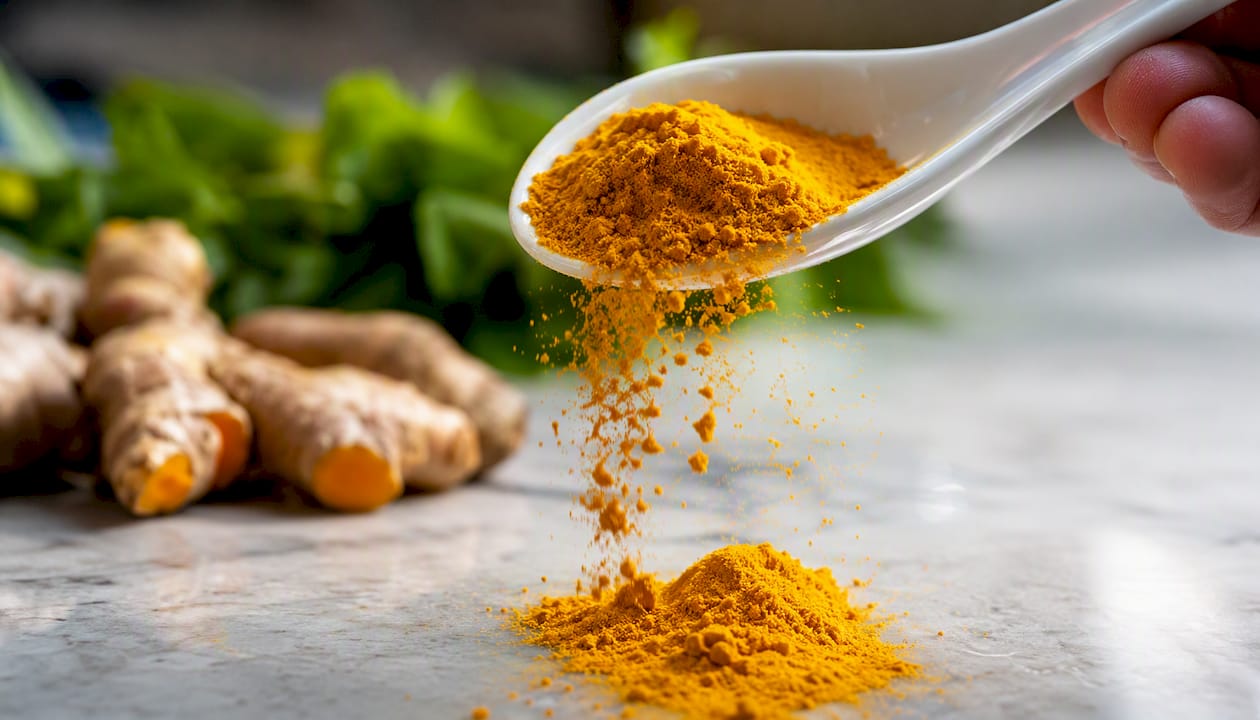
Curcumin is also hydrophobic, which means it behaves differently from the melanoidins found in soy sauce or coffee. Its molecular structure lets it embed in organic material rather than simply sitting on the enamel surface, which partly explains why color intensity in a lab dish doesn’t always predict how much staining you’ll notice in the mirror.
Several factors make staining worse:
- High plaque and tartar buildup. Plaque is porous and traps chromogens far more readily than smooth enamel. Tartar is even more absorbent and can’t be removed by brushing alone.
- Rough or porous enamel. Enamel roughened by acid erosion, whitening overuse, or natural variation holds pigment longer.
- Dental restorations. Crowns, veneers, and composite bonding stain differently than natural enamel and won’t respond to bleaching the same way.
- Dry mouth. Saliva dilutes and washes away chromogens. Low saliva flow means pigments stay in contact with teeth longer.
- Frequency of exposure. Daily turmeric shots or lattes create a chronic low-dose exposure that adds up faster than occasional curry meals.
The practical takeaway here is that prevention targets two things: the pellicle (rinse quickly to reduce initial binding) and plaque (keep it low so there’s less porous material for pigment to grab onto).
Are curry stains permanent? What you need to know about extrinsic vs. intrinsic staining
Most curry-related discoloration is extrinsic, meaning it sits on or just inside the outer layer of the tooth rather than within the dentin. That’s good news. Extrinsic stains typically respond to professional cleaning, whitening toothpaste, and whitening treatments.
Intrinsic staining, by contrast, originates inside the tooth structure itself, usually from medications (like tetracycline), trauma, or fluorosis during tooth development. Food alone rarely causes true intrinsic staining in adults. So if curry is the only dietary change you’ve made, the yellowing you’re seeing is almost certainly surface-level and addressable.
That said, the line between extrinsic and intrinsic can blur over time. Chromogens that repeatedly penetrate micro-cracks or rough patches can work deeper into enamel, making stains harder to lift without professional treatment. A realistic timeline: a few isolated curry meals won’t produce visible change for most people. Eating curry several times a week for months, especially without consistent plaque removal, can produce noticeable yellowing.
Restorations deserve a specific mention. Crowns, veneers, and composite fillings don’t bleach with peroxide-based whitening products. If staining is concentrated around a restoration, that’s a job for a dentist who can polish or replace the restoration to match your natural shade.
How to prevent curry from staining your teeth
Prevention is mostly about timing and keeping the oral environment clean. Here’s a practical sequence for every curry meal:
- Before eating: Brush and floss beforehand if you can. Clean teeth with low plaque give curcumin less to grab onto. Avoid brushing immediately before a highly acidic meal, though, as softened enamel is more vulnerable.
- During the meal: Drink water between bites. It dilutes pigment and keeps saliva flowing. Eating dairy alongside curry (yogurt raita, paneer, a glass of milk) can help, since calcium-rich foods may reduce the time chromogens stay in contact with enamel.
- Add crunchy produce. Raw carrots, celery, or cucumber act as mild mechanical scrubbers and stimulate saliva production.
- Avoid sipping turmeric drinks continuously. Prolonged sipping keeps curcumin in contact with teeth far longer than eating a single meal. Use a straw when possible.
- Rinse immediately after eating. Plain water is enough. Swish for 20–30 seconds to clear loose pigment before it binds to the pellicle.
- Wait 30 minutes, then brush. This is the most commonly skipped step.
- Choose an alcohol-free mouthwash. Alcohol-based rinses can dry out the mouth and reduce saliva, which is counterproductive. An oxidizing rinse (like one containing hydrogen peroxide at low concentration) used occasionally can help lift surface chromogens, but daily use of strong oxidizing rinses isn’t recommended without dental guidance.
Pro Tip: The 30-minute rule isn’t just about curry. Any acidic food or drink, including citrus, vinegar-based sauces, and carbonated beverages, temporarily softens enamel. Brushing within that window can abrade the surface and create the rough texture that traps more stain next time.
For a broader look at lifestyle habits that support a whiter smile, the same principles apply across most dietary staining sources.
How to remove curry stains: from home care to professional treatment
The right approach depends on how established the staining is and whether you have any sensitivity.
Start with the basics. A fluoride toothpaste used twice daily, combined with flossing, removes stained plaque before it mineralizes into tartar. If you have sensitivity, a desensitizing toothpaste (containing potassium nitrate or stannous fluoride) is worth using for a few weeks before moving to whitening products.
Next-tier at-home options include whitening toothpastes, whitening strips, and whitening pens. Whitening toothpastes work primarily through mild abrasives and, in some formulas, low-concentration peroxide. They’re good for maintenance but slow for established stains. Whitening strips deliver a higher peroxide concentration directly to the tooth surface and typically show results in 1–2 weeks of consistent use. Whitening pens are useful for spot-treating and for maintaining results after a deeper treatment. For safe surface stain removal at home, the key is consistency over intensity.
Professional options move faster and reach stains that home products can’t. A routine scale-and-polish removes tartar and surface staining in a single visit, often producing a noticeable shade improvement without any bleaching agent. In-office whitening (using high-concentration peroxide under dental supervision) can shift shade significantly in one appointment. Custom take-home trays from a dentist deliver a higher peroxide concentration than over-the-counter strips and allow more even coverage.
A few safety flags worth keeping in mind:
- Whitening products don’t change the color of restorations. If you whiten natural teeth, existing crowns or veneers may no longer match.
- Overusing abrasive whitening toothpastes can roughen enamel, which creates more surface area for future staining.
- Sensitivity after whitening is common and usually temporary, but if it persists beyond a few days, stop and consult a dentist.
If stains appeared recently and are mild, a few weeks of whitening toothpaste plus the prevention habits above is a reasonable first step. If they’ve been building for months or are concentrated near restorations, a professional cleaning first will give you a cleaner baseline before any whitening product can work properly. You can also compare whitening treatment options to decide which tier fits your situation.
What recent research actually says about curry and tooth staining
The most directly relevant evidence comes from a 2025 in-vitro study published in Odontology that measured color change (ΔE00) in bovine enamel samples immersed in various sauces over seven days. The finding that surprises most people: curry produced comparatively low staining in that model, while several soy sauces exceeded perceptibility thresholds within hours.
| Sauce type | Staining behavior in 7-day immersion model | Threshold crossed |
|---|---|---|
| Soy sauce variants | Highest color change; exceeded perceptibility threshold within hours | Perceptibility (ΔE00 > 1) |
| Curry | Low relative color change; rarely exceeded acceptability threshold | Acceptability (ΔE00 > —) |
What this means in practice: the lab result doesn’t mean curry is harmless for teeth. Immersion studies keep the sample submerged continuously, which is far more exposure than any meal. The authors themselves cautioned that intermittent real-world eating produces a different pattern. Frequency and oral hygiene matter more clinically than the color intensity measured in a dish.
The chemistry also matters. Curcumin is hydrophobic and binds to organic pellicle material, while melanoidins (the staining agents in soy sauce and coffee) are water-soluble and interact differently with enamel. That molecular difference partly explains the lab result, but it doesn’t mean curcumin is less persistent once it’s embedded in plaque or a rough surface.
The practical takeaway from the research: keep plaque low, rinse after meals, and don’t extrapolate from a single lab model to your own mouth.
Home remedies: what helps, what’s unproven, and what to skip
There’s a lot of advice online about DIY whitening for curry stains, and most of it ranges from ineffective to counterproductive.
What actually helps:
- Rinsing with water immediately after eating curry
- Thorough brushing with fluoride toothpaste after the 30-minute window
- Flossing to remove stained plaque from between teeth
- Professional polish for stains that don’t respond to home care
What’s unproven or risky:
- Turmeric paste as a whitener. This is the most widespread viral hack, and dentists are clear that it lacks clinical support. Rubbing turmeric on your teeth deposits more curcumin pigment. It does not bleach enamel.
- Daily baking soda scrubbing. Baking soda is mildly abrasive and can lift surface stains, but daily use roughens enamel over time, creating a surface that traps more pigment.
- Undiluted hydrogen peroxide. High concentrations applied directly to teeth without dental supervision can cause sensitivity, gum irritation, and enamel damage.
- Acidic “wellness shots” without rinsing. Apple cider vinegar rinses and citrus-based remedies erode enamel. The staining risk from the acid damage outweighs any mild cleaning effect.
Danforth Dentistry’s guidance makes the point plainly: turmeric is more likely to stain teeth than whiten them, and professional whitening is a more predictable route to shade change. Spring Orchid’s clinical advice echoes this, recommending against abrasive home scrubs and pointing to professional cleaning for persistent cases.
Pro Tip: If you want to try any home remedy, rinse thoroughly with water afterward and stop immediately if you notice increased staining or sensitivity. The goal is to reduce pigment contact, not add more.
When you should see a dentist about curry staining
Most surface staining from curry responds to good home care within a few weeks. But there are clear signals that it’s time to book an appointment:
- Staining hasn’t improved after 4–6 weeks of consistent brushing, flossing, and whitening toothpaste use
- You notice new or worsening tooth sensitivity
- Discoloration is concentrated around a crown, veneer, or filling
- The color change is uneven or appears on teeth you don’t typically eat with
A routine professional clean and polish removes tartar and surface chromogens that no toothbrush can reach. Most people see a visible shade improvement after a single appointment, without any bleaching agent. If you want to go further, in-office whitening or custom trays can shift shade more significantly, typically over 1–3 sessions depending on the starting point.
After professional treatment, maintenance matters. Rinsing after curry, keeping plaque low, and using a whitening toothpaste or pen between visits will extend the result considerably. Removing yellow stains from enamel after professional treatment follows the same logic: the cleaner the baseline, the longer any whitening result holds.
An editorial perspective on curry stains and at-home whitening
The conversation around curry and teeth tends to swing between two unhelpful extremes: either “it’s just food, don’t worry about it” or “you need professional whitening immediately.” Neither is quite right.
What the evidence actually supports is more nuanced. Curcumin does bind to the pellicle and can produce visible yellowing with repeated exposure, but the 2025 Odontology lab data suggests the staining potential is lower than most people assume, at least in controlled conditions. The real risk isn’t a single curry dinner. It’s the daily turmeric latte, the wellness shot habit, the weeks of skipping flossing. Those low-level chronic exposures accumulate in ways that a single meal never would.
The DIY whitening trend built around turmeric is a good example of how intuition fails in oral care. People see turmeric’s bright yellow color and assume it must be doing something chemically active. It is, but the activity is staining, not bleaching. Rubbing a chromogen onto your teeth to whiten them is the opposite of what the chemistry supports.
The most defensible position is this: prevention is cheap and effective, home whitening tools work well for surface stains when used correctly, and professional care is worth it when stains are established or concentrated around restorations. Skipping straight to aggressive DIY hacks in between those two options is where most people go wrong.
The enamel-safe at-home option for surface curry stains
Curry stains that haven’t yet embedded deeply into enamel respond well to consistent at-home whitening, provided the product is formulated to be gentle enough for regular use. That’s where Getsmilefam’s approach stands apart from generic drugstore options.

The Snow Serum™ Whitening Pen uses Getsmilefam’s proprietary BLU Whitening Technology, developed without harsh hydrogen peroxide, making it suitable for people with sensitive gums who still want visible results. It’s designed for spot treatment and maintenance, exactly the use case for surface curry staining between professional visits. For daily maintenance, the BLU Whitening Toothpaste pairs with the pen to keep chromogen buildup from getting ahead of you. Follow product instructions and avoid combining with abrasive DIY methods. To get started, visit Getsmilefam and choose the product that fits your routine.
Sources
The following sources informed this article. Each plays a distinct role:
- Assessing the staining potential of common sauces on tooth enamel surface | Odontology | Springer Nature Link
- Can ginger and turmeric shots damage your teeth? | Aspen Dental
- Turmeric teeth whitening: Dentists disagree about viral hack | Newsweek
- Turmeric for Teeth: Benefits, Risks & Color Effects
- Does Turmeric Stain Teeth? Removal & Prevention | Spring Orchid
This article is general information, not a substitute for advice from a qualified doctor. Consult a qualified healthcare professional about your own circumstances before acting on anything here.