

The safest, most reliable path to reduce yellow enamel stains is a professional cleaning followed by enamel-safe peroxide whitening when your dentist confirms it’s appropriate. Professional cleaning often delivers an immediate visible boost by removing accumulated surface chromogens, and peroxide-based treatments then address the deeper yellow tones trapped in enamel and dentin. Two things you can do right now:
- Rinse your mouth with plain water immediately after coffee, tea, or wine.
- Switch to an enamel-safe whitening toothpaste for your daily brushing routine.
Getsmilefam’s BLU Whitening Technology is formulated without harsh chemicals, making it a practical starting point for anyone who wants results without risking enamel damage.
Table of Contents
- What can you do today to reduce yellow staining?
- Why do teeth look yellow? Enamel, dentin, and stain types explained
- Enamel-safe at-home methods that actually work
- When should you see a dentist for yellow teeth?
- Daily habits that prevent new yellow stains
- How to avoid damaging enamel during whitening
- How long does each method take, and what does it cost?
- Key Takeaways
- The whitening promise most brands don’t want to qualify
- Getsmilefam’s enamel-safe at-home whitening options
- Sources and further reading
What can you do today to reduce yellow staining?
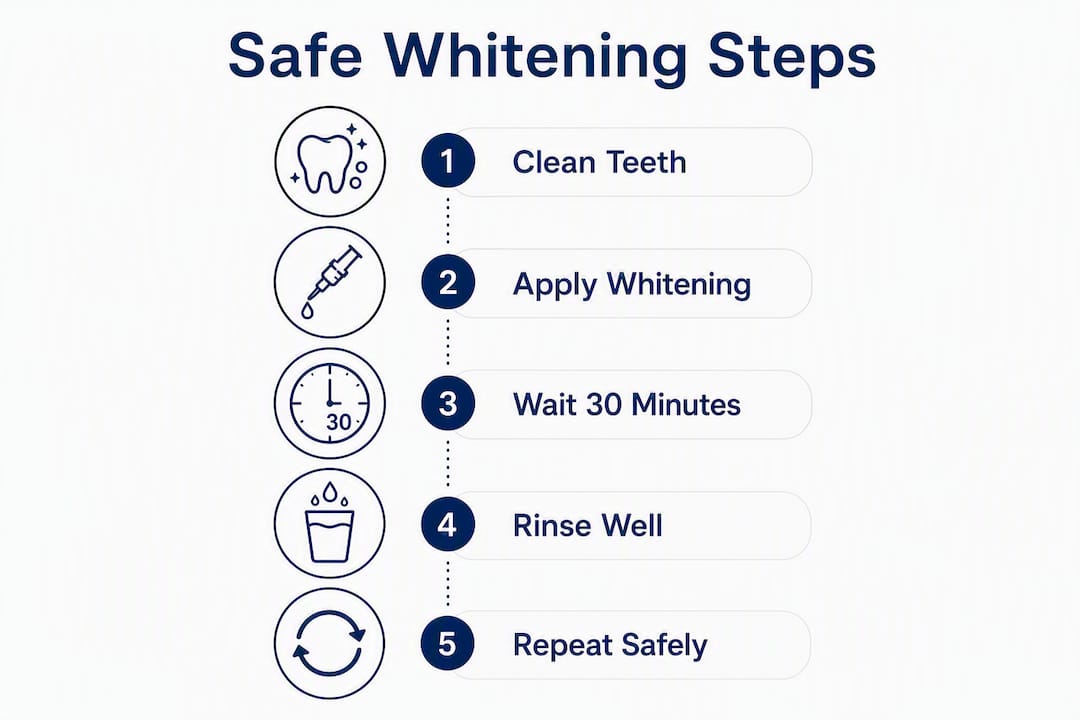
Follow this checklist in order. Each step is safe to start immediately.
- Use BLU Whitening Toothpaste — for your morning and evening brush. It’s formulated for daily use and targets surface discoloration without abrasive particles.
Pro Tip: Wait 30 minutes after acidic foods or drinks before brushing. Acid temporarily softens enamel, and brushing during that window accelerates erosion. Rinse first, then wait.
Stop any approach that causes burning, gum irritation, or new tooth sensitivity. Those are signals to pause and consult a dentist, not push through.
Why do teeth look yellow? Enamel, dentin, and stain types explained
Enamel is the hard, slightly translucent outer layer of your tooth. Beneath it sits dentin, which is naturally yellow. As enamel thins with age, acid exposure, or aggressive brushing, more of that yellow dentin shows through. That’s why older teeth often look yellow even with good hygiene. Thinning enamel is irreversible, which is why protecting what you have matters more than trying to scrub it whiter.
The other major cause is staining, and the type of stain determines what will actually fix it.
Extrinsic stains sit on the enamel surface. They come from:
- Coffee, tea, and red wine (tannins that make pigment stick)
- Tobacco (nicotine turns yellow on contact with oxygen)
- Poor brushing habits that let plaque harden into tartar
- Certain foods like berries and tomato-based sauces
These respond well to cleaning, whitening toothpastes, and peroxide treatments.
Intrinsic stains originate inside the tooth, in the dentin itself. Causes include certain antibiotics (tetracycline), dental trauma, fluorosis, and aging-related enamel thinning. Surface cleaning won’t touch these. They need peroxide bleaching, veneers, or bonding, depending on severity.
Knowing which type you’re dealing with is the single most important decision in choosing a treatment.
Enamel-safe at-home methods that actually work
Not all at-home options are equal in speed, safety, or how deep they reach.
Whitening toothpaste
ADA-recognized whitening toothpastes use mild abrasives and low-concentration peroxide or enzymes to lift surface stains. They typically produce about one shade of improvement and work best as maintenance rather than a dramatic fix. Expect several weeks of consistent use before you notice a difference. Getsmilefam’s BLU Whitening Toothpaste uses the proprietary BLU Whitening Technology and is designed for daily use without harsh chemicals.
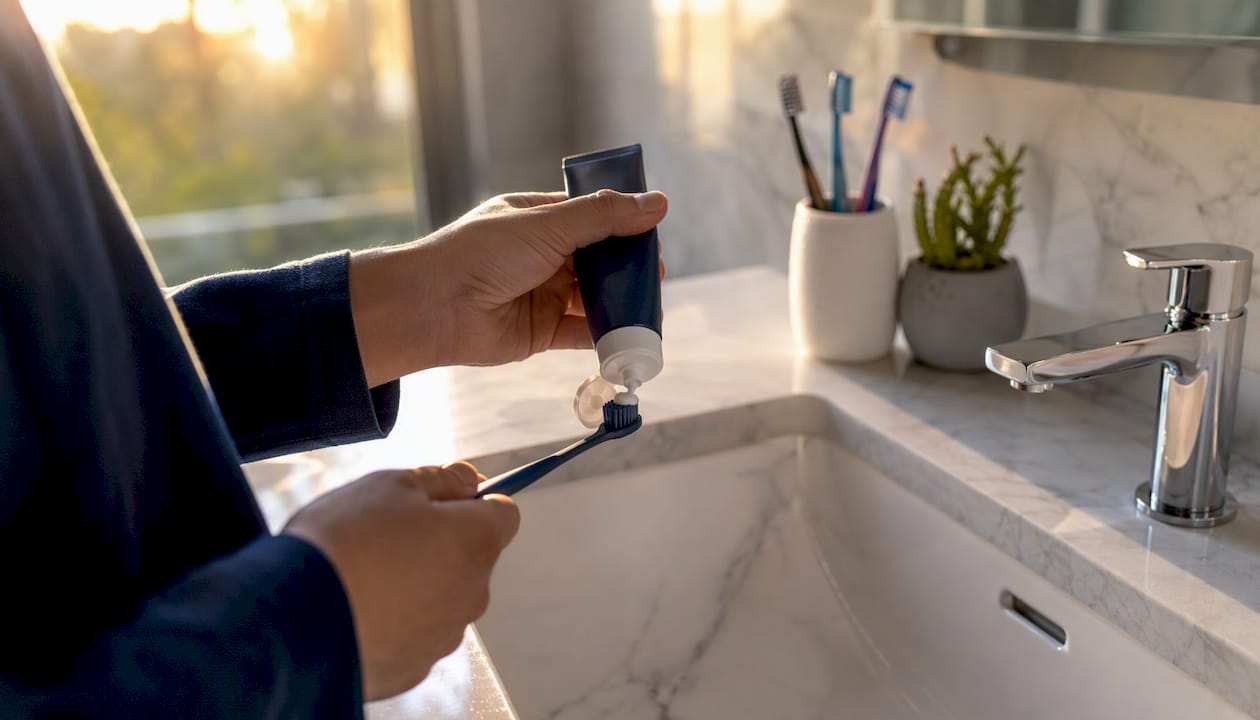
Pro Tip: Baking soda toothpastes from reputable brands are safer than homemade baking soda pastes because particle size is controlled in commercial formulations. Homemade pastes are too abrasive for regular use.
Whitening pens and serums
Whitening pens apply a thin layer of peroxide or enamel-safe serum directly to the tooth surface. They’re precise, portable, and easy to use between meals or before an event. The SmileFam Snow Serum™ Whitening Pen uses a lab-approved, enamel-safe formula designed for sensitive gums. Apply it after brushing, avoid eating or drinking for a short period after application, and use it consistently for best results. Many users report visible improvement after consistent use over time.
OTC peroxide strips
Over-the-counter strips with regulated peroxide concentrations in the U.S. can improve shade by several levels with consistent use over weeks. Follow the package directions exactly. Using them more frequently than directed does not speed results; it increases sensitivity and gum irritation risk.
What to avoid
Lemon juice, concentrated baking soda pastes, and activated charcoal are the three most common DIY approaches that backfire. Frequent use creates microscopic enamel scratches that actually trap more pigment over time, worsening staining. Acid rinses (undiluted apple cider vinegar, lemon) dissolve enamel directly. These aren’t worth the risk.
For a deeper look at which ingredients are genuinely safe, Getsmilefam’s guide to enamel-safe whitening ingredients breaks down what to look for on a label.
When should you see a dentist for yellow teeth?
Some situations call for professional care, and waiting makes them harder to treat.
- Staining persists after 6–8 weeks of consistent at-home care. Surface stains that don’t budge usually need professional scaling and polish.
- You notice a sudden color change in one or more teeth. That can signal trauma, nerve damage, or decay, none of which whitening will fix.
- You have pain, sensitivity that won’t resolve, or visible enamel loss. These need clinical evaluation before any whitening.
- Results are patchy or uneven. Uneven whitening often points to intrinsic staining or existing restorations (crowns, veneers) that don’t respond to bleach.
Professional options, from least to most intensive:
- Scaling and polish: Removes surface chromogens and tartar. Immediate visible improvement. Usually covered partially by dental insurance.
- In-office peroxide bleaching: Can brighten teeth by multiple shades in a single 60–90 minute visit. Fastest professional option for yellow stains.
- Custom take-home trays: Dentist-fitted trays with prescription-strength peroxide. Results in 1–2 weeks, with more control than in-office sessions.
- Veneers or bonding: For intrinsic staining or enamel damage that bleaching can’t address. Permanent, cosmetic, and the most expensive route.
Cosmetic whitening is rarely covered by insurance. Dental experts note that age-related enamel thinning sets realistic limits on how white teeth can get without restorative work. “Paper white” is often not achievable through bleaching alone.
Daily habits that prevent new yellow stains
Whitening results typically last 1–3 months before stains begin returning, depending on diet and habits. The habits below extend that window significantly.
- Use a straw for coffee, tea, iced drinks, and dark juices. It reduces direct contact with enamel.
- Rinse with water within a few minutes of finishing a staining drink.
- Wait 30 minutes after acidic foods before brushing (see the timing tip above).
- Brush twice daily with a fluoride toothpaste. Fluoride strengthens enamel and reduces porosity.
- Floss daily. Plaque between teeth traps pigment and hardens into tartar faster than most people expect.
- Schedule cleanings every 6 months. Professional polish removes what daily brushing misses.
- Quit smoking. Nicotine and tar staining is among the most stubborn to reverse and the fastest to return.
Pro Tip: Lifestyle modifications like rinsing after staining beverages prevent chromogens from bonding in the first place. Consistent prevention beats periodic whitening every time.
For a full breakdown of habit changes that protect results, Getsmilefam’s lifestyle guide for whiter teeth covers the daily sequencing in detail.
How to avoid damaging enamel during whitening
The most common mistake is treating whitening like a cleaning problem and scrubbing harder. Enamel doesn’t grow back. Once it’s gone, the underlying yellow dentin is permanently more visible.
Stop immediately and consult a dentist if you experience:
- Sharp or immediate pain during or after whitening
- Burning or bleeding gums
- Visible white spots or chalky patches on teeth (early enamel demineralization)
- Sensitivity that lasts more than 48 hours after a whitening session
For hydrogen peroxide rinses at home, concentrations above 3% are not recommended for unsupervised use. At-home strips and pens sold in the U.S. are regulated to safe levels, but using them more frequently than directed compounds irritation risk without improving results.
Pro Tip: If you have sensitive teeth, look for formulas with potassium nitrate or fluoride added. These ingredients help block the dentinal tubules that transmit sensitivity signals. Getsmilefam’s guide on avoiding sensitivity during whitening walks through the specific ingredients to prioritize.
Abrasive powders and charcoal products create microscopic surface scratches. Those scratches catch pigment more readily, so aggressive scrubbing can make staining worse within weeks.
How long does each method take, and what does it cost?
| Method | Visible results | Approximate U.S. cost |
|---|---|---|
| Professional cleaning | Immediate | — |
| In-office bleaching | 1 visit, 60–90 min | — |
| Custom take-home trays | 1–2 weeks | — |
| OTC peroxide strips | 2–6 weeks | $20–$60 |
| Whitening toothpaste | 4–8 weeks, about one shade of improvement | $5–$20 |
| Whitening pen/serum | 1–2 weeks for surface stains | — |
Cosmetic whitening is not covered by dental insurance in most U.S. plans. Some dental offices offer financing or package pricing for in-office treatments. If speed matters, in-office bleaching is the fastest single-visit option. If enamel safety is the priority and staining is mild to moderate, an enamel-safe whitening pen paired with a whitening toothpaste is a lower-cost starting point with minimal risk.
Key Takeaways
Enamel-safe at-home whitening works best on extrinsic stains; intrinsic staining and enamel thinning require professional evaluation before any treatment.
| Point | Details |
|---|---|
| Start with a cleaning | A professional cleaning delivers an immediate visible boost and removes surface chromogens before whitening. |
| Match method to stain type | Extrinsic stains respond to whitening toothpaste and peroxide; intrinsic stains need clinical treatment. |
| Protect enamel first | Stop any method that causes pain, burning gums, or lasting sensitivity, and consult a dentist. |
| Results need maintenance | Home remedy results typically last 1–3 months; daily habits like rinsing and using a straw extend them. |
| Getsmilefam’s enamel-safe options | The Snow Serum™ Whitening Pen and BLU Whitening Toothpaste offer a lab-approved, hydrogen-peroxide-free starting point for at-home care. |
The whitening promise most brands don’t want to qualify
There’s a gap between what whitening marketing implies and what enamel biology actually allows. Most people chasing “paper white” teeth are fighting their own dentin color, not a stain problem. Dentin is naturally yellow, and as enamel thins with age, that yellow shows through more. No amount of peroxide changes dentin color permanently, and no amount of scrubbing reverses enamel loss.
The smarter approach is to treat what’s actually treatable: surface stains respond well to enamel-safe whitening when used consistently and correctly. Intrinsic discoloration needs a dentist, not a stronger DIY hack. And aggressive home remedies, the lemon rinses and charcoal pastes that flood social media, often make staining worse by scratching enamel and creating more surface area for pigment to grip.
Realistic expectations matter. A few shades brighter with healthy enamel intact is a genuinely good outcome. Chasing dramatic results with harsh methods trades short-term brightness for long-term damage that’s expensive to fix.
Getsmilefam’s enamel-safe at-home whitening options
If you want to start at home without risking enamel damage, Getsmilefam’s product line is built around exactly that constraint: visible results without harsh chemicals.
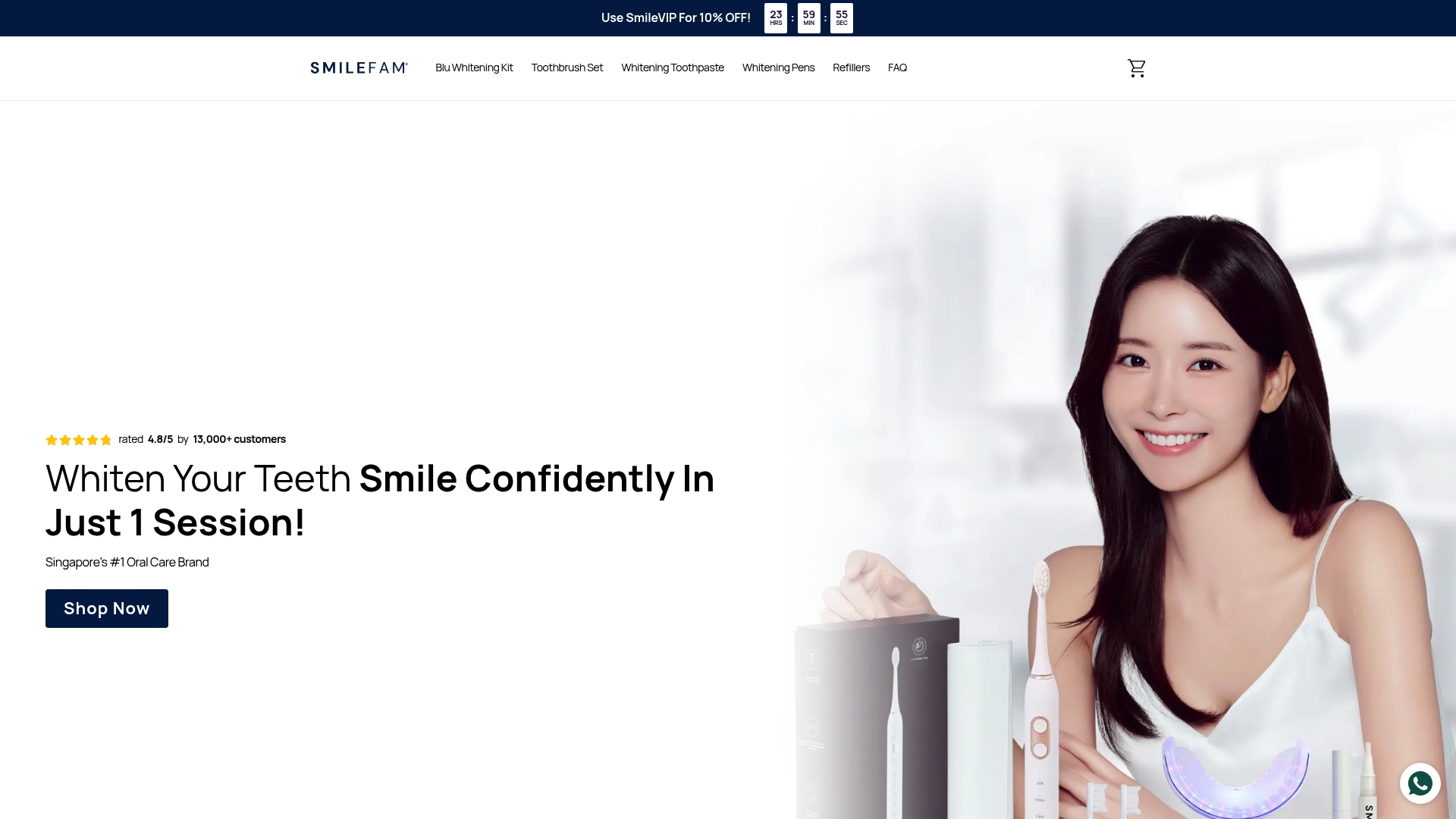
The Snow Serum™ Whitening Pen uses a lab-approved, enamel-safe formula. Apply it after brushing, cap it, and skip food and drink for 20–30 minutes. It’s precise enough to target specific teeth and gentle enough for sensitive gums. The BLU Whitening Toothpaste slots into your existing twice-daily routine and uses BLU Whitening Technology to lift surface stains without abrasive particles. For travel or a complete starter setup, the Premium Travel Kit bundles the key products so you can maintain results anywhere.
All three are designed to pair with a fluoride routine rather than replace it. Use the toothpaste for daily maintenance, the pen for targeted touch-ups, and schedule a professional cleaning every six months to clear what at-home care can’t reach.
Sources and further reading
The claims in this article draw on dental clinical resources and enamel science. For deeper reading or to verify specific points:
- Tooth Discoloration: Causes & Treatment — Cleveland Clinic’s overview of extrinsic and intrinsic discoloration, causes, and treatment options.
- Enamel-Safe Whitening: A Real Guide — Getsmilefam’s guide to safe whitening practices and ingredient selection.
- How Whitening Without Sensitivity Works — Technical explanation of how enamel-safe formulas reduce sensitivity risk.
Sources were selected for clinical authority and dental expertise. For a personal diagnosis or treatment plan, consult a licensed dentist. This article is general information, not professional dental advice.