

Teeth whitening frequency guidelines define the safe intervals between treatments that protect enamel while delivering lasting results. The dental industry recommends a 6-month minimum between whitening courses, with professional in-office treatments spaced 12–18 months apart due to stronger peroxide concentrations. At-home kits with lower peroxide levels allow slightly more frequent use, typically every 3–6 months. Whether you use a professional treatment or an at-home kit, the right schedule depends on your enamel health, sensitivity history, and lifestyle habits. Getting the intervals right is what separates a brighter smile from a damaged one.
1. Recommended frequency for professional whitening treatments
Professional in-office whitening is the most intensive option available. Clinicians use hydrogen peroxide concentrations of 20–40%, which means enamel needs adequate recovery time between sessions. Professional treatments require spacing of 12–18 months due to stronger peroxide concentrations and enamel recovery needs. That recovery window exists because enamel must remineralize before it can safely handle another round of oxidative bleaching.
Results from a professional session last 12–24 months, depending on lifestyle factors like coffee consumption, smoking, and red wine intake. That durability makes the longer interval practical, not just cautious. Most people do not need a full repeat course every year.
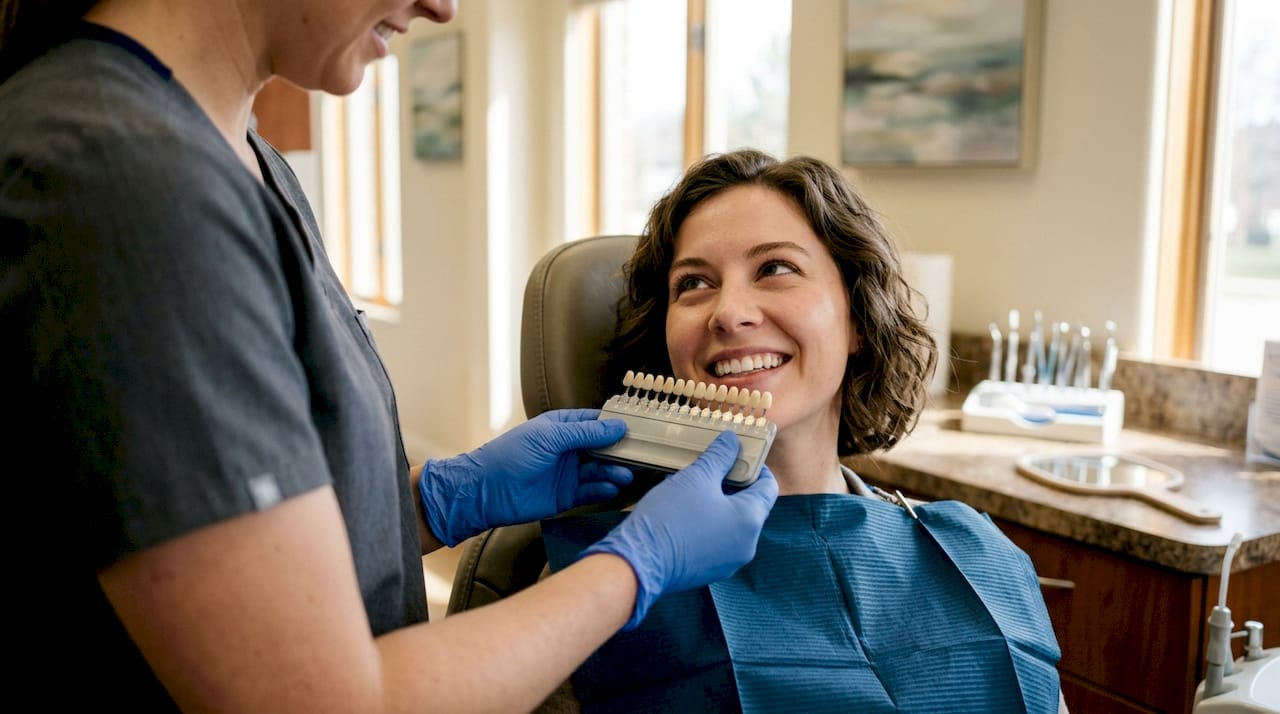
Maintenance between full treatments looks different from the initial course. Maintenance top-ups are usually 1–2 brief sessions per year, not full repeated cycles. These short sessions refresh color without the enamel load of a complete treatment.
Clinicians recommend moderate peroxide concentrations of 25–35% for in-office treatments to balance whitening results with minimized sensitivity. Higher concentrations do not always produce better outcomes. They often produce more pain and a longer recovery.
- Full professional course: every 12–18 months
- Maintenance top-ups: 1–2 short sessions per year
- Results duration: 12–24 months with good oral hygiene
- Sensitivity risk rises sharply with treatments closer than 6 months apart
Pro Tip: Ask your dentist for a post-treatment fluoride application. It accelerates enamel remineralization and reduces sensitivity after high-concentration whitening.
2. Safe frequency for at-home whitening kits
At-home whitening kits use lower peroxide concentrations than professional treatments. Products with up to 10% carbamide peroxide are safe for home use without direct supervision. That lower concentration is why at-home kits can be used more often than in-office procedures, though “more often” still has clear limits.
A standard at-home whitening course runs 2–4 weeks with daily use as directed. After completing a full course, the next full treatment should wait at least 3–6 months. Rushing into a second course immediately after the first increases enamel porosity and sensitivity without improving results.
Top-up treatments are shorter and less intensive than a full course. Treating top-ups like full courses leads to sensitivity and enamel damage. A top-up might be 2–3 days of use, not another 4-week cycle. That distinction matters more than most people realize.
Always follow the instructions on the packaging. Dentists also recommend checking in before starting a new at-home course, especially if you have noticed any sensitivity since your last treatment. For a detailed walkthrough of safe technique, the guide to at-home whitening from Getsmilefam covers the key steps clearly.
- Full at-home course: every 3–6 months
- Daily use within a course: follow product instructions exactly
- Top-ups: 2–3 days maximum, not a repeat full course
- Stop immediately if you experience persistent sensitivity or gum irritation
Pro Tip: Use a desensitizing toothpaste for two weeks before starting an at-home whitening course. It pre-loads the enamel with potassium nitrate, which reduces nerve sensitivity during treatment.
3. Factors that shape your personal whitening schedule
No two people share the same whitening schedule. Safe whitening frequency is individualized based on enamel thickness, sensitivity, and dental health. A person with thick, healthy enamel and no sensitivity history can tolerate treatments closer together than someone with thin enamel or a history of dental work.
Several personal factors directly affect how often you can whiten safely:
- Enamel thickness and health: Thin or worn enamel absorbs bleaching agents more aggressively, increasing sensitivity risk.
- Sensitivity history: Anyone who experiences sharp pain from cold drinks or air should extend intervals between treatments.
- Diet and lifestyle: Coffee, tea, red wine, and smoking all accelerate staining. Heavy stainers may feel pressure to whiten more often, but that pressure should be managed through lifestyle changes, not shorter intervals.
- Oral hygiene habits: Regular professional cleanings remove surface stains before they set, reducing how often you need a whitening treatment.
- Existing dental work: Crowns, veneers, and bonding do not respond to peroxide. Whitening around them without professional guidance can create uneven color.
A dentist assessment before each new course gives you a personalized plan. Dental consultation is essential for tailoring frequency to individual enamel health. That single step prevents most of the problems that come from self-directed whitening.
Lifestyle changes also extend the time between treatments. Drinking staining beverages through a straw, rinsing with water after coffee, and maintaining consistent brushing habits all slow the return of discoloration. The lifestyle changes guide from Getsmilefam outlines practical habits that keep results lasting longer.
4. Common risks of over-whitening and how to avoid them
Over-whitening is a real clinical problem. Whitening is a medical procedure; ignoring guidelines and repeating treatments too frequently increases risks including burns, permanent sensitivity, and enamel damage. The cosmetic impatience to whiten faster or more often is the most common driver of these complications.
The mechanism behind the damage is straightforward. Overuse increases tooth porosity, causing intense sensitivity and enamel damage. When enamel becomes porous, it loses its ability to protect the dentin layer underneath. That exposure creates sensitivity that does not resolve between treatments.
Patients often mistake pain as normal and fail to report it. That silence allows damage to accumulate. Persistent sensitivity, white spots on enamel, or a translucent appearance at the tooth edges are all warning signs that treatments need to stop immediately.
| Warning sign | What it means | What to do |
|---|---|---|
| Persistent sensitivity | Enamel porosity increasing | Pause all whitening, use desensitizer |
| White spots on enamel | Demineralization occurring | See a dentist before continuing |
| Translucent tooth edges | Enamel thinning | Stop whitening, seek professional review |
| Gum irritation or burns | Bleaching agent contact | Check tray fit, reduce application time |
Protecting enamel during whitening starts with correct product use. Learning how to protect enamel during whitening reduces the risk of crossing from cosmetic improvement into dental damage. Professional supervision adds another layer of protection by catching early signs before they become permanent.
Pro Tip: If you notice any sensitivity during a whitening course, skip one day and apply a remineralizing gel instead. Do not push through the pain. Sensitivity that persists beyond 48 hours after stopping treatment needs a dentist’s attention.
5. How oral health status affects whitening safety
Oral health must be assessed before any whitening treatment begins. Untreated cavities or gum recession cause bleaching agents to reach sensitive pulp, resulting in pain and treatment complications. Whitening over active decay is not just ineffective. It is actively harmful.
A pre-whitening hygiene assessment catches problems that would otherwise turn a routine treatment into a painful experience. Gum recession exposes root surfaces that lack enamel entirely. Applying peroxide to those surfaces causes sharp, immediate pain and can damage the root structure.
People with thin enamel or active dental disease should avoid frequent whitening until those issues are resolved. Treating the underlying condition first protects both the teeth and the whitening results. A clean, healthy mouth responds better to whitening and holds the results longer.
For guidance on managing sensitivity before and during treatment, the Getsmilefam resource on avoiding teeth sensitivity during whitening offers specific, practical steps.
6. Whitening maintenance strategies that reduce treatment frequency
The best way to whiten less often is to maintain results between treatments. Consistent oral hygiene is the foundation. Brushing twice daily with a whitening toothpaste, flossing, and scheduling professional cleanings every 6 months all slow the return of surface staining.
Diet plays a direct role. Coffee, tea, red wine, and tomato-based sauces are the primary culprits for staining after whitening. Rinsing with water immediately after consuming these foods and drinks removes pigment before it bonds to enamel. That simple habit extends results by weeks.
Touch-up treatments, used correctly, reduce the need for full whitening courses. A 2–3 day touch-up every few months maintains color without the enamel load of a complete cycle. The whitening maintenance guide from CWD Dental Group outlines a practical aftercare schedule that keeps results stable between full treatments.
Getsmilefam’s approach with BLU Whitening Technology and enamel-safe formulas without hydrogen peroxide supports this maintenance model. Products designed for sensitive gums and regular use fit naturally into a maintenance schedule without requiring long recovery windows between applications.
Key takeaways
Safe teeth whitening requires matching treatment frequency to enamel health, product concentration, and professional guidance, not cosmetic impatience.
| Point | Details |
|---|---|
| Professional treatment intervals | Space full in-office treatments 12–18 months apart to allow enamel recovery. |
| At-home kit frequency | Complete a full at-home course every 3–6 months; top-ups last 2–3 days only. |
| Individual factors matter | Enamel thickness, sensitivity history, and diet all determine your personal safe interval. |
| Over-whitening causes real damage | Persistent sensitivity, white spots, and translucent edges signal enamel damage from overuse. |
| Oral health check first | Treat cavities and gum recession before any whitening treatment to prevent pulp exposure. |
What I’ve learned from watching people over-whiten
People consistently underestimate how much damage comes from impatience. The most common mistake I see is treating a top-up like a full course. Someone finishes a 4-week at-home cycle, sees a little staining return after a month, and immediately starts another full cycle. Within a few months, they have sensitivity that does not go away between treatments. That is not bad luck. That is predictable enamel damage from ignoring recovery windows.
The second pattern I notice is people skipping the pre-whitening dental check because they feel fine. Feeling fine is not the same as having healthy enamel. Gum recession and early decay do not always cause pain before whitening. They cause pain during it. A 20-minute hygiene assessment before starting a course prevents the kind of treatment complications that take months to resolve.
My honest recommendation is to treat your whitening schedule the way you treat a workout program. More is not always better. The recovery period is where the real improvement happens. Enamel remineralizes during the gaps between treatments, not during them. Respecting those gaps is what separates people who whiten successfully for years from those who end up with chronic sensitivity and regret.
If you have sensitive teeth already, look at whitening options designed for sensitivity before committing to any schedule. The right product and the right interval make a bigger difference than the number of treatments.
— Lenney
Getsmilefam’s approach to safe, effective whitening
Whitening works best when the product matches your schedule and your enamel’s needs. Getsmilefam builds its products around that principle, using BLU Whitening Technology with lab-approved, enamel-safe formulas that skip harsh hydrogen peroxide entirely.
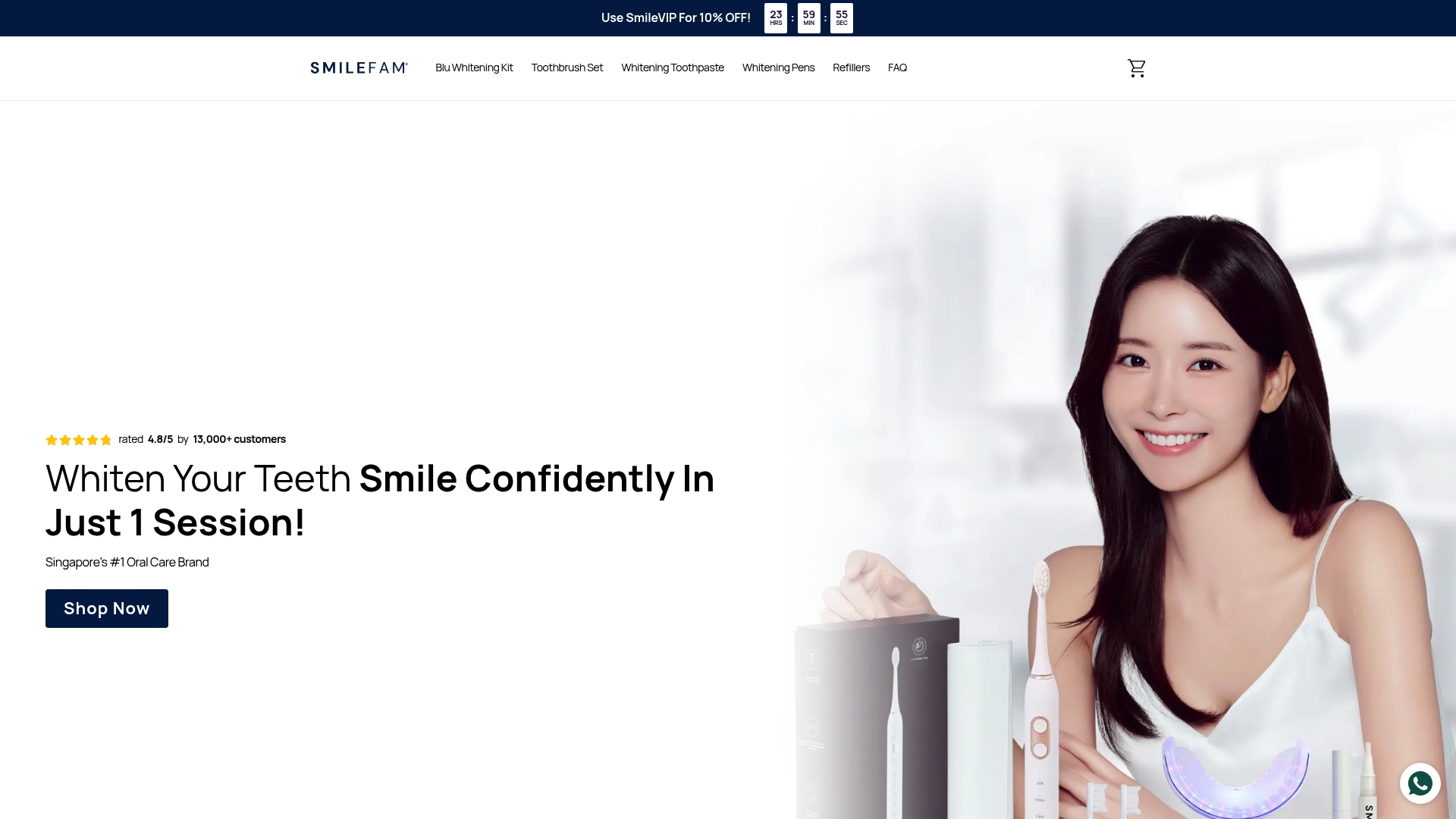
The Snow Serum™ Whitening Pen and the Premium Travel Kit are designed for people who want real results without overloading their enamel. They fit naturally into a maintenance schedule between professional treatments, keeping your smile bright without the recovery time that stronger peroxide products require. For ongoing maintenance, the SmileClub Refiller Pack supports a 3-month usage cycle that aligns with safe at-home whitening intervals. Getsmilefam also offers guidance for people with sensitive gums, making it a practical choice for anyone building a long-term whitening routine.
FAQ
How often can you whiten your teeth safely?
Most people can safely complete a full whitening course every 3–6 months for at-home products and every 12–18 months for professional in-office treatments. Maintenance top-ups between full courses are limited to 1–2 brief sessions per year.
What happens if you whiten your teeth too often?
Over-whitening increases enamel porosity, causing persistent sensitivity and structural damage. Warning signs include white spots, translucent tooth edges, and sensitivity that does not resolve between treatments.
Do at-home whitening kits require the same intervals as professional treatments?
No. At-home kits use lower peroxide concentrations, typically up to 10% carbamide peroxide, which allows use every 3–6 months. Professional treatments use 20–40% hydrogen peroxide and require 12–18 months between full sessions.
Should you see a dentist before whitening at home?
Yes. A pre-whitening dental check identifies untreated cavities or gum recession that would allow bleaching agents to reach the tooth pulp, causing pain and complications.
How long do professional whitening results last?
Professional whitening results last 12–24 months depending on diet, oral hygiene, and lifestyle habits like coffee consumption and smoking.