

A DIY whitening solution is any homemade mixture or over-the-counter product you apply at home to remove surface stains or lighten tooth color. The catch? Many of the most popular recipes circulating online, especially those built around lemon juice, vinegar, or activated charcoal, can permanently damage your enamel. UR Medicine warns that acidic household remedies cause enamel erosion and long-term sensitivity. Safer options do exist: baking-soda toothpastes, low-concentration peroxide rinses, and OTC whitening strips all have evidence behind them. But a dental exam before you start any bleaching is the smartest first move.
The bottom line: Skip the kitchen acids. Stick to products with controlled pH and proven concentrations. If you have existing dental work, gum disease, or a single tooth that looks noticeably darker than the rest, see a dentist before you try anything at home.
Table of Contents
- What does “DIY whitening solution” actually mean?
- Why dental experts warn against common DIY ingredients
- How to tell surface stains from deeper discoloration
- What are the safest at-home whitening options?
- A safe at-home whitening routine, step by step
- How long do results take, and what does it cost?
- When should you see a dentist instead of going DIY?
- Key Takeaways
- The gap between what DIY whitening promises and what it delivers
- Getsmilefam’s enamel-safe alternative to risky DIY mixes
- References and trusted sources
What does “DIY whitening solution” actually mean?
The phrase covers a wide range of approaches, and not all of them work the same way. Knowing the category helps you match the method to the stain you’re dealing with.
- Kitchen acids (lemon juice, apple cider vinegar): dissolve surface buildup through acid, but also attack enamel
- Abrasives (baking soda, activated charcoal): physically scrub away surface stains
- Peroxide-based rinses and gels: chemically bleach pigment inside and on the surface of enamel
- Oil pulling (coconut oil): reduces plaque and bacteria, which can make teeth look brighter
- OTC whitening toothpastes and strips: low-concentration peroxide or mild abrasives in a controlled formula
| Category | Main mechanism | Best for |
|---|---|---|
| Kitchen acids | Acid dissolution | Surface buildup (short-term only) |
| Abrasives | Mechanical polishing | Extrinsic (surface) stains |
| Peroxide rinses/gels | Chemical bleaching | Extrinsic and mild intrinsic stains |
| Oil pulling | Plaque and bacteria reduction | Surface yellowing from plaque |
| OTC strips/toothpastes | Low-dose peroxide or mild abrasion | Extrinsic stains, gradual improvement |
One distinction worth understanding: “whitening” in the strict sense means bleaching internal pigment with peroxide. “Stain removal” means mechanical polishing. Research published on PubMed confirms that misusing abrasives to attempt bleaching risks enamel without producing meaningful shade change. Intrinsic discoloration, the kind that lives inside the tooth structure, rarely responds to anything short of professional bleaching or restorative work.
Why dental experts warn against common DIY ingredients
The most viral DIY recipes are often the most damaging ones.
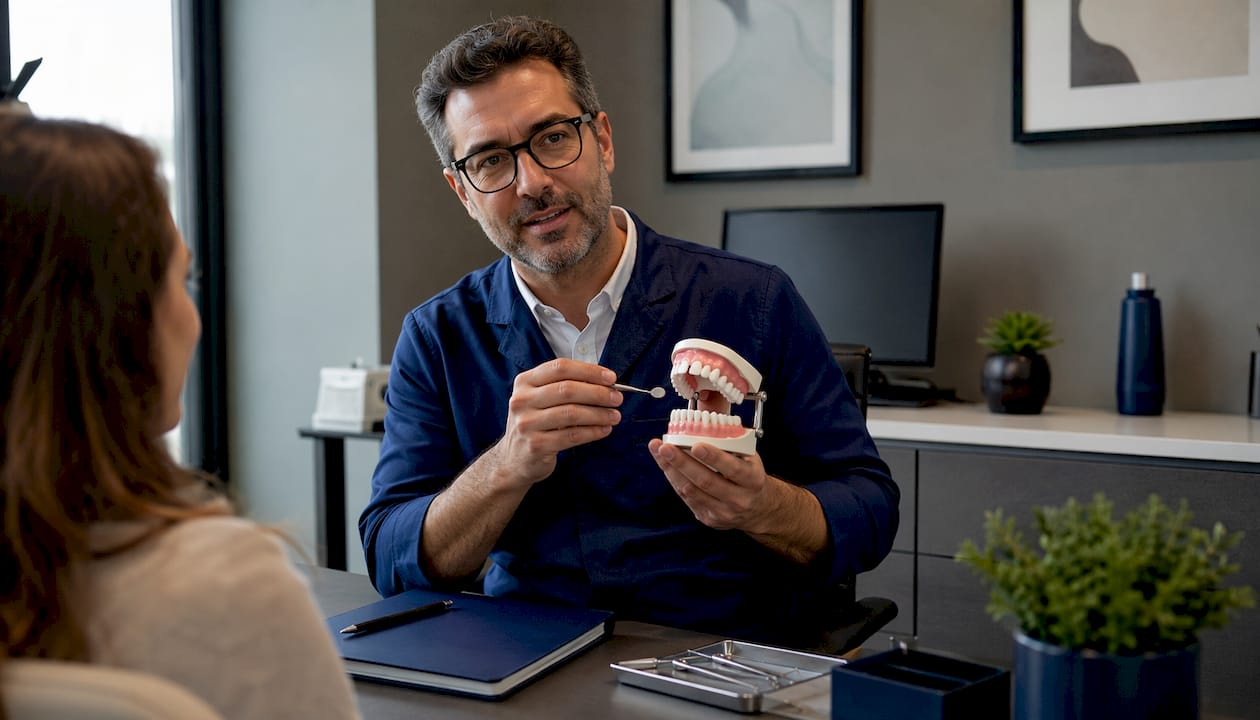
Acidic agents (lemon juice, vinegar, apple cider vinegar) are a big concern. Enamel begins to demineralize at a pH below 5.5, and lemon juice sits around pH 2. Once enamel erodes, it does not grow back. The exposed dentin underneath is naturally yellow and far more sensitive, which means the remedy that was supposed to whiten your teeth can end up making them look worse and feel worse permanently.
Abrasive agents like baking soda and activated charcoal are a different problem. Baking soda used occasionally in a toothpaste formula is fine. Used daily as a straight paste, or combined with an acid, it accelerates enamel thinning. Activated charcoal is coarser still, and the PubMed study on DIY whitening efficacy found that DIY methods, including the popular strawberry-and-baking-soda mix, produced the least color change compared to OTC and professional approaches.
What the evidence shows: Aggressive DIY methods don’t just underperform — they can leave enamel thinner and teeth more yellow over time, the exact opposite of the goal.
The most dangerous combination is acid plus abrasive applied together. Acid softens enamel; abrasion then scrapes away the softened layer. This is why the apple cider vinegar and baking soda paste that shows up in so many whitening misconceptions is particularly risky.
Pro Tip: Never mix an acidic ingredient with an abrasive and apply it to your teeth. If you use a mildly acidic rinse, wait at least 30 minutes before brushing so softened enamel has time to reharden.
How to tell surface stains from deeper discoloration
This distinction determines whether a DIY approach has any realistic chance of working.
Extrinsic stains sit on or just beneath the enamel surface. Coffee, tea, red wine, and tobacco are the usual culprits. These respond to abrasives and peroxide-based products.
Intrinsic stains are embedded in the dentin or the tooth structure itself. Aging, certain antibiotics (tetracycline), fluorosis, or trauma to a tooth can all cause this. No amount of baking soda or OTC strips will touch them.
Ask yourself these questions before choosing a method:
- Do all affected teeth look uniformly yellowed, or is one tooth noticeably darker than its neighbors?
- Have whitening toothpastes produced even a small improvement over several weeks?
- Did the discoloration appear gradually (likely extrinsic) or was it always there (likely intrinsic)?
- Have you had a root canal or tooth trauma on the darker tooth?
A single tooth that’s markedly darker than the rest almost always signals an intrinsic issue, often related to nerve damage or an old restoration. That requires a dentist, not a DIY fix. Choosing the right method depends on stain type: surface stains respond to abrasives and peroxide, while intrinsic staining needs professional bleaching or restorative options.
What are the safest at-home whitening options?
These are the methods with actual evidence behind them, along with honest notes on what they can and can’t do.
- Baking-soda toothpaste (2–3× weekly): Baking-soda formulas remove surface stains more effectively than non-baking-soda toothpastes in peer-reviewed analyses. Use a commercial toothpaste that contains it rather than raw baking soda straight from the box.
- Hydrogen peroxide rinse (1.5–3% concentration): University of Utah Health confirms that hydrogen peroxide and carbamide peroxide are the active ingredients in effective OTC kits. Lower concentrations take longer but cause less sensitivity. Use a diluted hydrogen peroxide rinse as a pre-brush rinse for a short course only.
- OTC peroxide strips: Follow manufacturer directions exactly. Strips with controlled peroxide concentrations are among the most effective at-home whitening options available without a prescription.
- Coconut oil pulling (10–20 minutes daily): Reduces plaque and bacteria, which can reduce surface yellowing. It won’t bleach intrinsic stains, but it’s safe for daily use because it doesn’t expose enamel to acid or harsh abrasion.
Natural methods used consistently can produce noticeable improvement for extrinsic stains. Professional in-office bleaching can go further in a single session. The tradeoff is always speed versus sensitivity risk.
Pro Tip: Start at the lowest effective frequency. If you’re trying OTC strips, use them every other day rather than daily for the first week. Sensitivity that builds gradually is a sign to slow down, not push through.
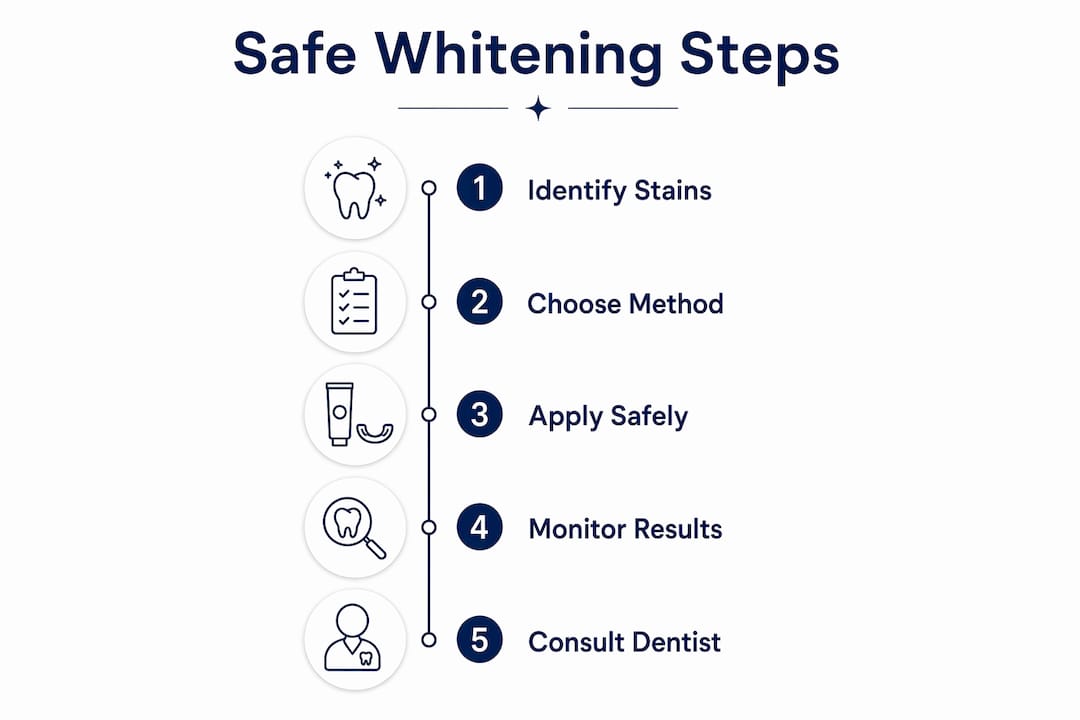
A safe at-home whitening routine, step by step
Before anything else, get a dental exam. Undiagnosed cavities or cracks can be seriously aggravated by peroxide, turning a cosmetic project into a painful dental emergency.
- Pre-check: Confirm no active cavities, gum disease, or exposed roots. Review the pre-whitening checklist before starting.
- Week 1–2: Brush with a baking-soda toothpaste 2–3 times per week. Follow immediately with your regular fluoride toothpaste to remineralize enamel.
- Add a peroxide rinse (optional): Swish a diluted hydrogen peroxide solution for about a minute before brushing, no more than once daily, for a short course.
- Oil pulling (optional add-on): 10–15 minutes with coconut oil in the morning, before brushing. Spit into a trash can, not the sink.
- Maintenance: Once you reach your target shade, drop to baking-soda toothpaste once a week.
Safety checklist to run through each week:
- Avoid acidic foods and drinks for at least 30 minutes before and after any whitening treatment
- Stop immediately if gum tissue turns white or bleeds after strip use
- Watch for increasing sensitivity; if it worsens across three consecutive sessions, pause for two weeks
- Never use baking soda or peroxide rinses daily for extended periods
Pro Tip: Photograph your teeth under the same lighting (natural daylight, same distance) at the start and every two weeks. Progress is gradual enough that you won’t notice it day-to-day, but the photos will show you whether the method is working.
How long do results take, and what does it cost?
| Method | Visible change | Typical cost range |
|---|---|---|
| Baking-soda toothpaste | 10 days (2–3× weekly) | Low (around $3/tube) |
| Peroxide rinse | 2–3 weeks | Low ($4–$10) |
| OTC whitening strips | 2–3 weeks | Medium ($40/kit) |
| Oil pulling | 4 weeks | Low (around $15/jar of coconut oil) |
| Dentist-supervised trays | 1–2 weeks | High (around $200+) |
| In-office professional bleaching | 1 session | High (around $400+) |
Faster results generally entail higher cost or sensitivity risk. OTC strips offer effectiveness between baking soda alone and professional in-office bleaching. All methods require periodic touch-ups, especially if you drink coffee or tea regularly. The safe whitening frequency guidelines from Getsmilefam are worth reviewing before you commit to a schedule.
When should you see a dentist instead of going DIY?
Some situations make at-home whitening unsafe, not just ineffective.
- Severe or sudden tooth sensitivity before you’ve even started whitening
- Visible cavities, cracks, or chips on any tooth
- Gum disease or receding gums with exposed root surfaces
- A single tooth noticeably darker than the rest (possible nerve damage)
- Existing crowns, veneers, or bonding in your smile zone (they won’t respond to bleaching and will end up a different shade than your natural teeth)
- Persistent sensitivity that doesn’t resolve after stopping a whitening regimen
If any of these apply, a dental exam isn’t optional. Peroxide applied over an undiagnosed crack or cavity can cause sharp pain and worsen the underlying problem. Professionals can also match bleaching treatment to intrinsic stains using higher-concentration agents that aren’t available over the counter.
Key Takeaways
Safe at-home whitening works best for extrinsic stains using baking-soda toothpaste, low-concentration peroxide, or OTC strips, while acidic kitchen remedies like lemon juice and vinegar risk permanent enamel damage that no whitening product can reverse.
| Point | Details |
|---|---|
| Avoid kitchen acids | Lemon juice, vinegar, and ACV erode enamel irreversibly; skip them entirely. |
| Match method to stain type | Extrinsic stains respond to peroxide and abrasives; intrinsic stains need professional care. |
| Start low and slow | Use baking-soda toothpaste 2–3× weekly and OTC strips per instructions to limit sensitivity. |
| Get a dental exam first | Cavities, cracks, or gum disease make peroxide-based whitening unsafe without professional clearance. |
| Getsmilefam’s BLU Technology | The Snow Serum™ Whitening Pen and BLU Whitening Toothpaste use lab-approved, enamel-safe formulations as a controlled alternative to unregulated DIY mixes. |
The gap between what DIY whitening promises and what it delivers
The appeal of a homemade whitening solution is obvious: cheap, immediate, no appointment needed. But the gap between the promise and the reality is wider than most people expect, and it’s worth being direct about why.
The problem isn’t that DIY methods don’t work at all. Baking-soda toothpaste genuinely removes surface stains. Low-concentration peroxide rinses genuinely bleach mild discoloration. The problem is that the methods people are most drawn to, the ones that feel satisfyingly potent, are often the ones doing the most damage. Lemon juice feels like it’s “cutting through” stains because it is cutting through enamel. That sensation of clean is partly demineralization.
What I’d push back on is the framing that “natural” automatically means safer. Unregulated homemade mixtures lack pH control and concentration precision, which makes them unpredictable in a way that a properly formulated OTC product is not. A baking-soda toothpaste from a reputable brand has been tested for abrasivity. A paste you mix at home has not. The difference matters more than most people realize, especially over months of use.
The smarter approach is patience and precision: start with the lowest effective frequency, use products with known concentrations, and treat a dental exam as the actual first step, not an afterthought. If you want faster results without the guesswork of DIY, lab-tested options exist that are designed specifically to avoid the enamel risks that kitchen remedies carry.
Getsmilefam’s enamel-safe alternative to risky DIY mixes
If you’ve read this far, you already know the core problem with most homemade whitening recipes: no pH control, no tested concentrations, and real risk of enamel damage that compounds over time. Getsmilefam’s approach is built around exactly that gap.
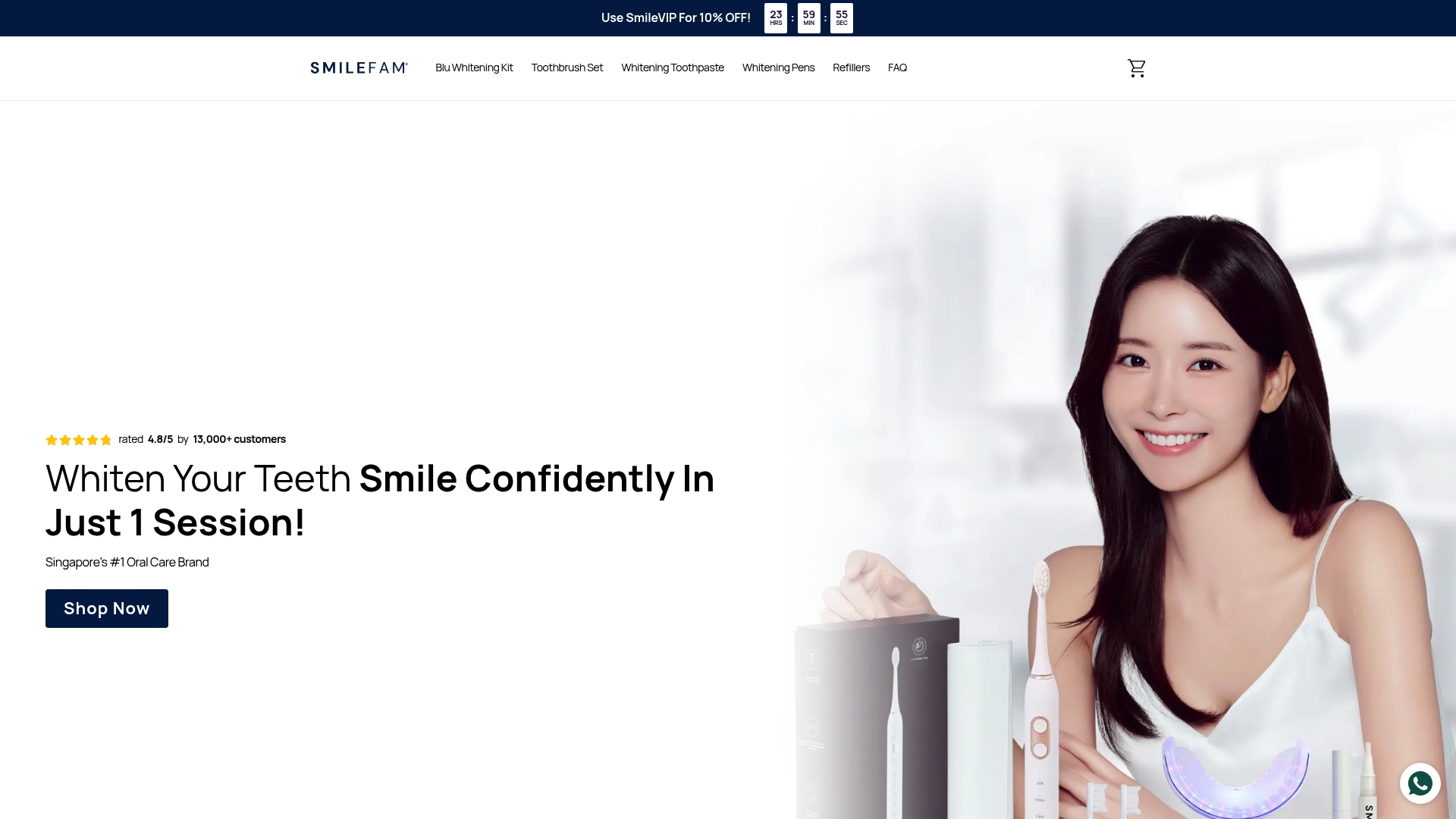
The BLU Whitening Toothpaste uses proprietary BLU Whitening Technology with lab-approved, enamel-safe ingredients, formulated without the harsh acids or abrasive concentrations that make kitchen DIY recipes risky. The Snow Serum™ Whitening Pen delivers targeted whitening with engineered pH and concentrations, designed for sensitive gums and backed by a satisfaction guarantee. Both products are built for people who want visible results without trading their enamel for them.
For a portable, all-in-one option, the Premium Travel Kit bundles Getsmilefam’s enamel-safe formulas into a kit you can use anywhere. If you have any of the red-flag conditions covered above, consult a dentist before starting. Otherwise, visit Getsmilefam to review customer results and pick the product that fits your routine.
References and trusted sources
The following resources were used to build this guide and are worth bookmarking for further reading:
- UR Medicine: DIY Teeth Whitening — Too Good to Be True? — expert warnings on acidic home remedies and enamel erosion
- University of Utah Health: Does At-Home Teeth Whitening Really Work? — clinical overview of peroxide-based OTC options
- PubMed: Efficacy of DIY Whitening vs. Conventional Methods (in vitro study) — peer-reviewed comparison of DIY, OTC, and professional whitening
- OralHealthHQ: How to Whiten Teeth Naturally — evidence-backed natural methods with timelines and frequency guidance
- Getsmilefam: Safety in Whitening Products — brand overview of lab-approved formulations and BLU Whitening Technology
A note on this guide: The information here is general education, not professional dental advice. Before starting any whitening regimen, especially if you have existing dental work, sensitivity, or gum concerns, confirm the right approach with your dentist.