

A safe at-home whitening plan, built around peroxide products used as directed, daily oral care, and a few confidence habits, can produce noticeably brighter, healthier-looking teeth in days to weeks — for a detailed approach, see Your Guide to Safe Tooth Whitening at Home – Stop Oral Care. The American Dental Association backs peroxide-based whitening as the only category that produces a real chemical shade change, and while temporary sensitivity affects a significant portion of users, it typically fades once you stop or adjust your routine. Getsmilefam built its BLU line around exactly this balance: visible results without the guesswork.
Start simple:
- Brush daily with BLU Whitening Toothpaste for ongoing surface-stain control.
- Use a peroxide strip, gel tray, or the Snow Serum™ Whitening Pen exactly as directed for faster, targeted brightening.
- Keep up basic hygiene: two minutes of brushing, daily flossing, and a rinse after dark drinks.
Pro Tip: If your goal is a quick confidence boost before a big event, pair the Snow Serum™ Whitening Pen with your regular toothpaste routine rather than swapping one for the other. The pen handles touch-ups; the toothpaste handles maintenance.
Key Takeaways
A safe, visible smile upgrade at home comes from combining a peroxide-based product used correctly with consistent daily hygiene and simple confidence habits.
| Point | Details |
|---|---|
| Choose peroxide, not abrasives | Peroxide products create real shade change; charcoal and acidic DIY mixes just erode enamel. |
| Match method to goal | Toothpaste maintains, strips and pens work in days, dentist trays give the strongest results. |
| Manage sensitivity proactively | Use sensitivity toothpaste, space out sessions, and stop if pain persists beyond a couple of days. |
| Maintain results daily | Brush twice daily, floss, limit staining drinks, and touch up every few months. |
| Start with Getsmilefam’s BLU line | BLU Whitening Toothpaste and the Snow Serum™ Whitening Pen offer enamel-safe, affordable visible results for daily use and touch-ups. |
Table of Contents
- What At-Home Whitening Methods Actually Work?
- Which DIY Whitening Methods Should You Avoid?
- How Do You Use Whitening Products Without Damaging Your Teeth?
- How Do You Keep Your Smile Bright After Whitening?
- When Should You See a Dentist Instead of Whitening at Home?
- Why the SmileFam BLU Line Is the Practical Starting Point
- How Can You Improve Your Overall Oral Health at Home?
- What If Your Smile Insecurity Isn’t About Tooth Color?
- Frequently Asked Questions
- Sources
What At-Home Whitening Methods Actually Work?
Not all whitening products work the same way, and the difference comes down to chemistry, not marketing. Whitening toothpaste relies mostly on mild abrasives and polishing agents that lift surface stains. Strips, gels, trays, and pens use hydrogen peroxide or carbamide peroxide, which penetrates the enamel and actually changes the tooth’s underlying color. That distinction explains why two products marketed as “whitening” can produce wildly different results.
Whitening toothpaste typically lightens teeth by a small number of shades over weeks to months of consistent use. It is maintenance, not a transformation tool. Strips and pens move faster, often showing visible changes within days because the peroxide sits against the tooth surface longer and at a higher concentration. Dentist-provided take-home trays sit at the top of the at-home hierarchy. Their custom fit and stronger peroxide formulas make them the most effective option you can use without an in-office visit.
LED kits deserve a specific callout: the light itself does very little. The peroxide gel is the active ingredient, and the light is mostly a marketing feature bolted onto the box.
| Method | Speed | Enamel/gum safety | Cost | Ease of use |
|---|---|---|---|---|
| Whitening toothpaste | Slow (weeks-months) | High | Low | Very easy |
| Whitening pen (targeted) | Fast (days) | High when used as directed | Low to moderate | Easy |
| Strips | Fast (days-weeks) | Moderate, sensitivity possible | Moderate | Easy |
| Gels/trays (dentist) | Fastest, strongest | Moderate, supervised | Higher | Moderate |
| LED kits | Depends on gel, not light | Moderate | Moderate | Easy |
Pro Tip: Judge any kit by its peroxide concentration and recommended wear time, not by how bright the LED light looks in the box photo.
Which DIY Whitening Methods Should You Avoid?
Charcoal powders, lemon-and-baking-soda pastes, and other homemade acidic or abrasive scrubs are popular on social media, and they’re also among the fastest ways to damage your teeth permanently. Dental professionals advise against these mixes because the acid and abrasion wear down enamel faster than it can recover, and enamel doesn’t grow back once it’s gone.
The damage isn’t always obvious right away. You might see a temporary brightening effect, but underneath it, you’re roughening the tooth surface and making it more porous, which actually makes future staining easier and sensitivity worse.
Skip these:
- Activated charcoal powders or charcoal toothpaste used regularly.
- Lemon juice or vinegar mixed with baking soda.
- Hard-bristle scrubbing or aggressive polishing pastes.
Instead, stick with an ADA-accepted toothpaste, a gentle baking-soda rinse once a week at most, or a low-dose peroxide maintenance product. These give you stain control without gambling with your enamel.
How Do You Use Whitening Products Without Damaging Your Teeth?
The short version: follow the label, patch-test first, and protect your gums before you protect your ego about getting fast results.
- Check for red flags first. If you have untreated cavities, gum inflammation, or a recently chipped tooth, see a dentist before starting any whitening product.
- Patch-test a new product on a small area or for a shorter time than recommended, especially if you have sensitive teeth already.
- Follow the wear time exactly. More time under peroxide doesn’t mean better results. It usually just means more sensitivity.
- Space out sessions, typically every other day rather than daily, to give your enamel and gums time to recover.
- Avoid very hot or cold foods for a few hours after treatment, since freshly whitened teeth are temporarily more reactive.
- Watch for persistent pain. Mild, short-lived sensitivity is common; sharp or lasting pain means stop and reassess.
If sensitivity shows up, a potassium-nitrate toothpaste used before and during your whitening course helps a lot, and shortening your session length or spacing treatments further apart usually solves it. And on LED kits specifically: the gel does the actual work, not the light, so don’t skip proper wear time just because the kit looks high-tech. For more on managing this, see this guide on reducing whitening sensitivity.
Pro Tip: If you’re new to peroxide products, start with the shortest recommended wear time on the label, not the maximum. You can always work up to it.
How Do You Keep Your Smile Bright After Whitening?
Results fade if you go back to old habits, and that’s usually a lifestyle problem, not a product problem. Regular maintenance, staining-food avoidance, and consistent brushing do more for long-term brightness than any single whitening session.
- Brush twice daily for two full minutes and floss every day.
- Use BLU Whitening Toothpaste as your daily maintenance step between whitening sessions.
- Switch to an electric toothbrush. It removes surface stains more consistently than manual brushing.
- Limit coffee, tea, and red wine, or drink them through a straw when you can.
- Rinse your mouth with water right after eating or drinking anything heavily pigmented.
- Skip tobacco products entirely, since they stain faster and deeper than most foods or drinks.
Most people need a touch-up course every few months, not every few weeks. Simple behavior changes like rinsing after dark drinks or quitting tobacco often protect your results as much as any product does.
| Point | Details |
|---|---|
| Daily maintenance | Brush with whitening toothpaste and floss daily to protect shade and gum health. |
| Diet awareness | Limit coffee, tea, and wine; rinse or use a straw to reduce staining. |
| Touch-up schedule | Most people need a short refresh course every few months, not weekly. |
When Should You See a Dentist Instead of Whitening at Home?
Stop your at-home routine and book a dental visit if you notice pain, bleeding gums, persistent sensitivity, or a single tooth darkening on its own. Whitening products are built for surface stains and general yellowing, not underlying dental problems, and using them over an existing issue can make things worse.
Watch for these red flags:
- A tooth that suddenly turns gray or brown, which often signals internal damage rather than surface staining.
- Visible cavities or exposed tooth roots.
- Swollen, tender, or bleeding gums.
- Large fillings, crowns, or veneers, which won’t change color with home products and can look mismatched against newly whitened natural teeth.
If your teeth need more than surface brightening, a dentist’s custom-fit take-home trays or in-office bleaching gives you stronger, supervised results that account for these issues directly.
Pro Tip: If sensitivity lasts more than a couple of days after stopping a whitening product, that’s your body telling you to get a professional opinion, not just switch brands.
Why the SmileFam BLU Line Is the Practical Starting Point
Getsmilefam built its product lineup around the exact problem most at-home whitening plans run into: strong enough to work, gentle enough not to wreck your enamel. The BLU Whitening Technology at the center of these products is formulated to be enamel-safe and suitable for sensitive gums, without leaning on harsh hydrogen peroxide concentrations that cause the worst sensitivity spikes.
Here’s how the three core products fit into a daily plan:
- BLU Whitening Toothpaste handles daily maintenance, keeping new surface stains from building up between whitening sessions.
- Snow Serum™ Whitening Pen is your targeted tool for fast, visible touch-ups on specific teeth or before an event, without committing to a full tray session.
- Premium Travel Kit bundles the essentials into a compact set so your routine doesn’t break down when you’re traveling or just out of your normal schedule.
Getsmilefam’s approach leans on lab-approved, enamel-safe ingredients rather than the harshest peroxide concentrations, aiming for visible results in a single session without the sensitivity spikes that stronger clinical bleaching often causes.
On the comparison dimensions that actually matter, speed, safety, cost, and ease of use, the BLU line sits closer to strips and dentist trays for visible shade change, but at a toothpaste-and-pen price point. That’s the gap Getsmilefam is built to fill: direct-to-consumer pricing without the cost of clinical bleaching.
How Can You Improve Your Overall Oral Health at Home?
A bright smile means little if your gums look inflamed or your teeth are covered in visible plaque. Whitening addresses color; gum care and plaque control address the health that makes a smile look genuinely good, not just white.
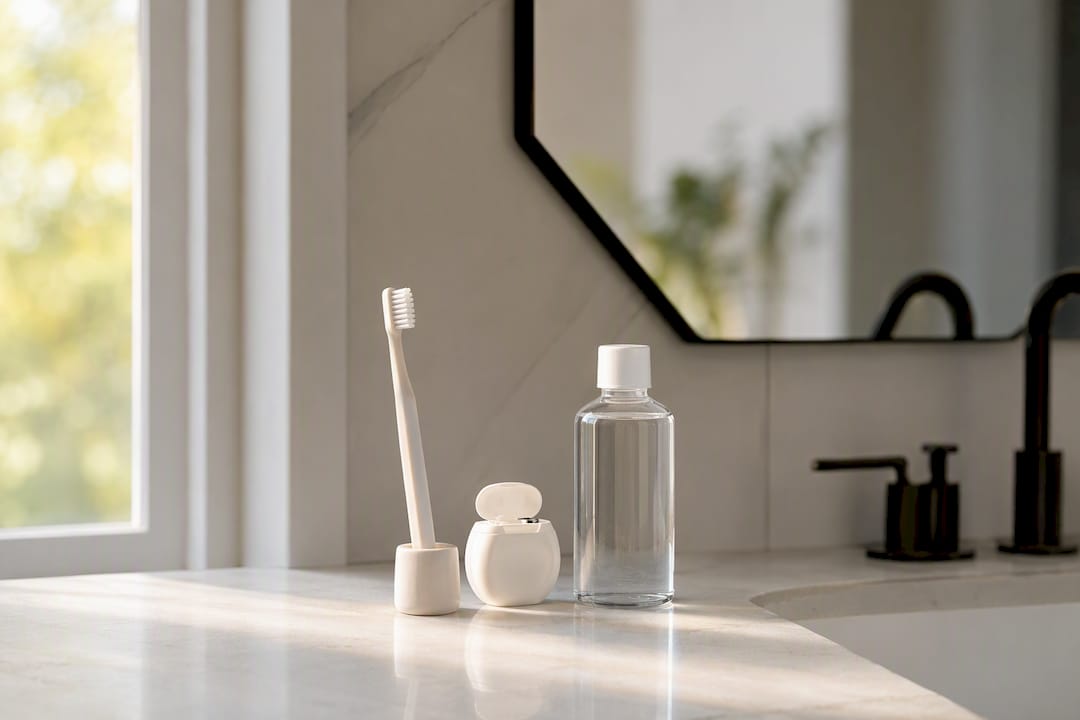
Plaque buildup along the gumline causes the puffy, reddish look that undercuts even a perfectly white set of teeth. Daily flossing physically removes the plaque your toothbrush can’t reach, especially between teeth and along the gumline where cavities and gum disease most often start. If you skip flossing regularly, you’ll likely notice bleeding when you finally do floss, which is a sign of early gum inflammation, not a reason to stop.
An antibacterial or fluoride mouth rinse used once daily helps control the bacteria that cause both plaque and bad breath, both of which affect how confident you feel smiling and talking up close. Tongue cleaning, either with a scraper or your toothbrush, cuts down on bacteria that contribute to dull-looking teeth and breath issues.
None of this requires expensive products. A soft-bristle brush, floss, and a basic fluoride rinse cover the fundamentals. What matters more is consistency: two minutes of brushing, once-daily flossing, and not skipping days because you’re tired. Healthy gums frame your teeth, and that framing is half of what people notice in a smile.
What If Your Smile Insecurity Isn’t About Tooth Color?
Whitening solves one problem, but plenty of people feel self-conscious about alignment, tooth shape, or a chipped edge, and no amount of brightening fixes those. The good news: several of these concerns have low-cost, at-home responses that don’t require immediate orthodontic work.
For minor alignment concerns, clear retainers or short-term aligner kits exist, but anything that moves teeth should involve a dentist’s evaluation first. Attempting DIY tooth movement with rubber bands or similar hacks circulating online can damage roots and should be avoided entirely.
For a chipped tooth or uneven edge, dental bonding is a quick, affordable in-office fix that often takes under an hour. At home, keeping the area clean and avoiding further chipping (skip ice-chewing, pen-biting) prevents the issue from getting worse while you decide on treatment.
For overall shape and symmetry concerns, simple habits often shift how a smile reads to other people faster than any dental work: practicing a natural, relaxed smile in the mirror, improving lip hydration with regular lip balm, and paying attention to posture when you smile. Small cosmetic habits like these measurably affect how attractive a smile appears, often without touching a single tooth.

A Note on Balancing Expectations and Safety
Getting a brighter smile at home works, but it works best when you treat sensitivity as information, not an obstacle to push through. Most side effects are temporary, and a little patience with wear times protects both your results and your enamel long after the whitening course ends.
Start Your At-Home Whitening Plan Today
There are other paths to a brighter smile: clinical bleaching, whitening strips from a drugstore shelf, or just waiting it out with a regular toothpaste. All of them either cost more, take longer, or ask you to guess at concentrations and wear times without guidance.
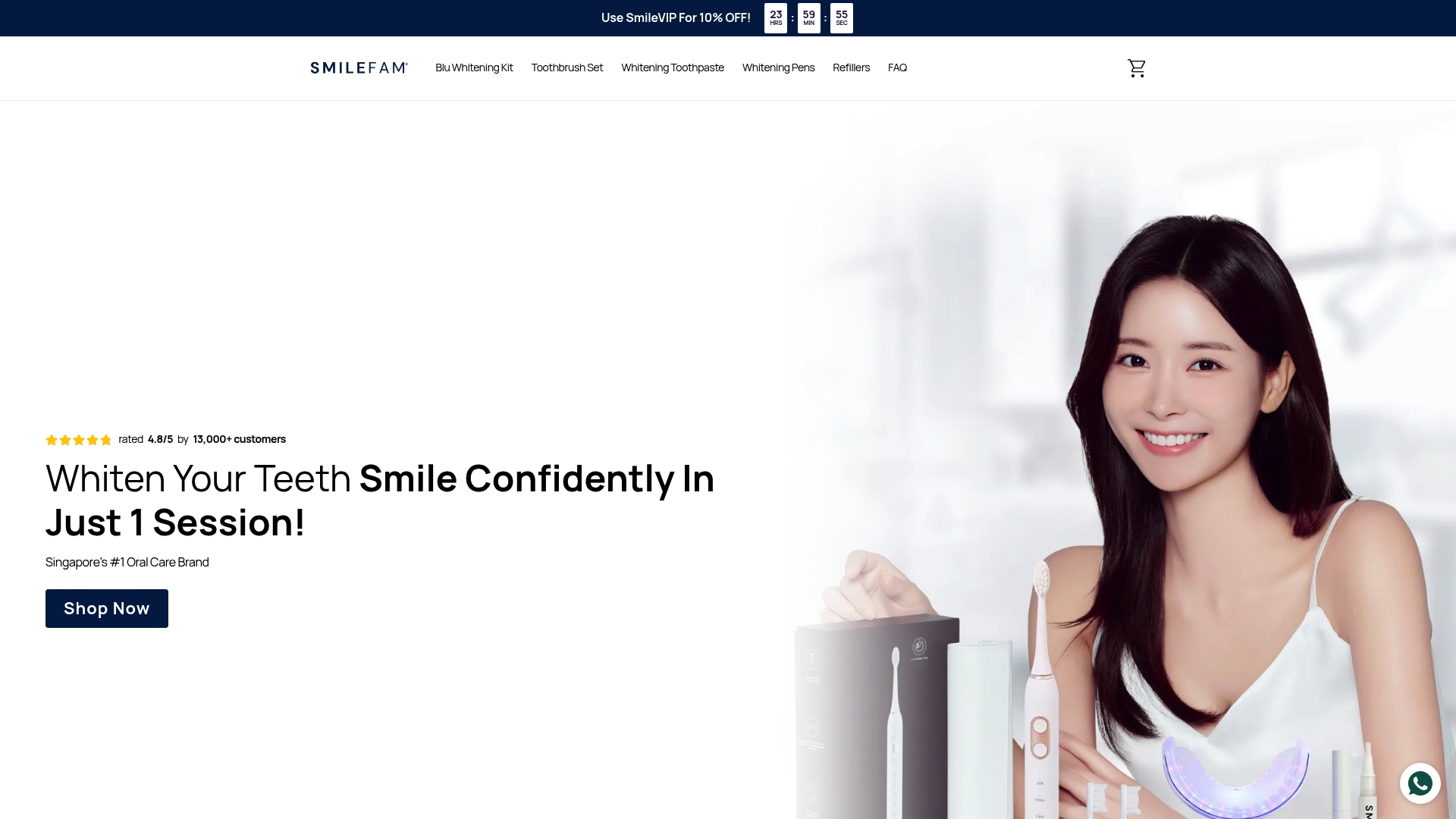
Getsmilefam built its BLU line specifically so you don’t have to choose between speed and enamel safety. A simple three-step plan gets you started: pick up BLU Whitening Toothpaste for daily maintenance, add the Snow Serum™ Whitening Pen for fast, targeted touch-ups, and follow the safe-use steps above so sensitivity stays minimal. Every order comes backed by a satisfaction guarantee, so testing the routine costs you nothing but a couple of weeks. If you travel often, the Premium Travel Kit keeps the same routine intact wherever you are. Pick your starting product and place your order today.
Frequently Asked Questions
How long does it take to build a confident smile at home? Most people see visible whitening within a few days to two weeks using strips, pens, or gel trays, while toothpaste-based improvement takes several weeks of consistent use.
Is at-home teeth whitening safe for sensitive teeth? Yes, when you follow the product’s wear time and use a lower concentration or sensitivity-specific toothpaste alongside it; temporary sensitivity is common but usually resolves within a day or two of stopping treatment.
Can whitening toothpaste alone give me a bright smile? It can lighten teeth by about one to two shades over time, making it good for maintenance but not for a fast, dramatic change.
What’s the safest alternative to charcoal or lemon-based whitening hacks? Stick to ADA-accepted whitening toothpaste or a low-dose peroxide pen or strip used as directed. These avoid the enamel erosion that acidic and abrasive DIY mixes cause.
Does the light in an LED whitening kit actually matter? Not much. The peroxide gel does the chemical work; the light is largely a marketing feature, so judge kits by gel strength and wear time instead.
This article is general information, not a substitute for advice from a qualified doctor. Consult a qualified healthcare professional about your own circumstances before acting on anything here.
Sources
- Dental
- How To Whiten Your Teeth Safely
- Teeth Whitening at Home — Every Method Ranked by Evidence (2026)
- How To Whiten Teeth At Home Safely - Acibadem Hospitals Group