

If your gums bleed, sting, or feel raw after brushing, the fix usually isn’t willpower or a gentler hand. It’s the brush. Look for an electric toothbrush with an extra-soft or ultra-soft head, a visible pressure sensor, and a dedicated gum-care or sensitive mode with adjustable intensity. Getsmilefam’s gentle toothbrush bundle covers all three out of the box, which makes it a reasonable starting point if you’d rather not spend weeks comparing spec sheets.
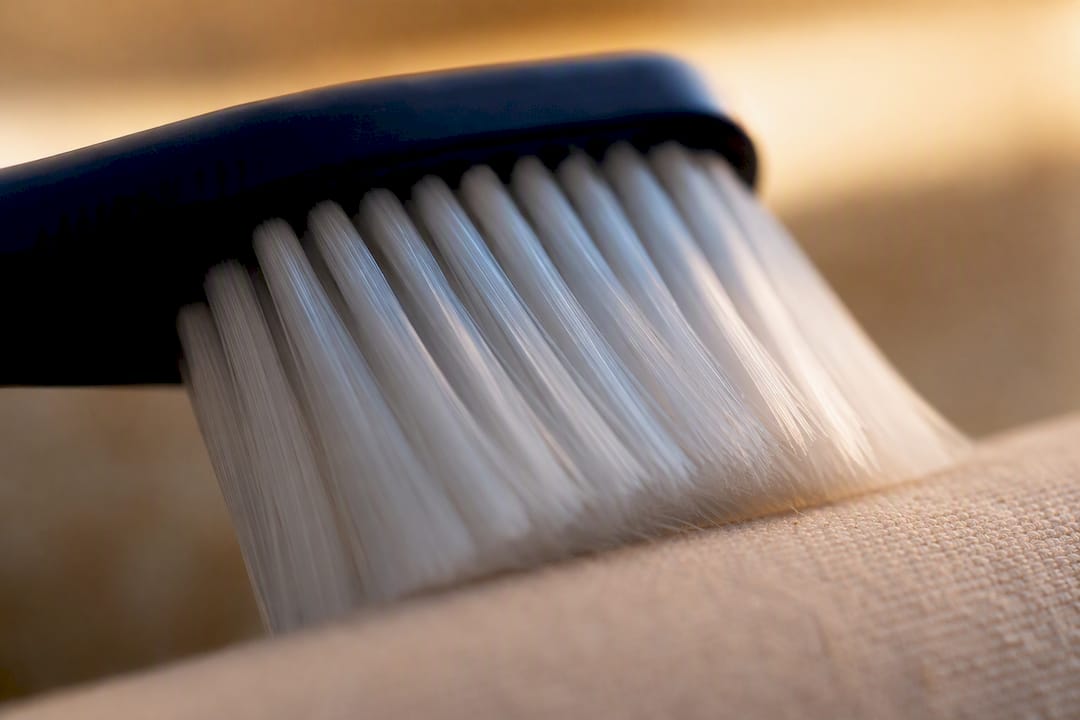
Two things matter more than anything else here. First, the bristles: tapered, extra-soft filaments create the “feathery” feel sensitive users notice immediately, and that softness does more for comfort than raw motor power ever will, according to Forbes’ testing of electric toothbrushes for sensitive gums. Second, control: a brush that lets you dial down intensity and shows you when you’re pressing too hard prevents the kind of daily micro-abrasion that makes receding gums worse over time.
If you’re switching brushes this week, here’s the short version:
- Set the intensity to its lowest setting for the first two weeks.
- Select the sensitive or gum-care mode instead of a whitening or deep-clean setting.
- Watch your pressure sensor (light, vibration, or pause) and back off the second it triggers.
- If bleeding continues past two weeks of gentle brushing, see a dentist. A brush alone won’t resolve active gum disease.
Key Takeaways
Choosing the right electric toothbrush for sensitive gums comes down to soft, tapered bristles and adjustable intensity working together, with a pressure sensor as backup, not the main defense.
| Point | Details |
|---|---|
| Bristle softness leads | Extra-soft, tapered filaments reduce gum irritation more than motor power or brand technology alone. |
| Adjustable intensity is essential | A dial or mode that lets you lower vibration strength matters more than any single “sensitive” label. |
| Pressure sensors are a backup | They correct mistakes after they start, so pair them with soft bristles, not instead of them. |
| Replace heads every three months | Worn bristles lose their gentleness well before most people think to swap them out. |
| Brush choice has limits | Persistent bleeding or visible recession needs a dentist, not just a gentler brushing routine. |
| Getsmilefam fits this need | Its toothbrush bundle pairs extra-soft heads with adjustable intensity, matching the two features that matter most for sensitive gums. |
Table of Contents
- Why Getsmilefam’s Toothbrush Bundle Works for Sensitive Gums
- What Features Actually Matter for Gum Sensitivity
- How Do You Choose the Right Electric Toothbrush for Your Sensitivity Level?
- The Right Way to Brush When Your Gums Are Sensitive
- Keeping Your Brush Gentle: Replacement and Care
- What the Research Actually Says About Gum Health and Electric Brushes
- Why the Standard Advice on Sensitive-Gum Brushes Falls Short
- Get Started With a Gum-Safe Toothbrush Bundle
- Sources
Why Getsmilefam’s Toothbrush Bundle Works for Sensitive Gums
Most sensitive-gum complaints trace back to one of two things: bristles that are technically “soft” but still stiff enough to nick tissue, or a motor that only runs at one aggressive speed. Getsmilefam’s toothbrush bundle addresses both. The brush head uses extra-soft, tapered filaments designed to flex against the gumline rather than dig into it, and the handle includes adjustable intensity settings so you’re not stuck with a single, one-size-fits-all vibration speed.
That combination lines up with what independent testing already shows. Forbes found that adjustable motor intensity, paired with a genuinely soft bristle texture, tends to matter more for comfort than whatever proprietary “technology” a brand advertises. In other words, the two features Getsmilefam built the bundle around are the two features that actually move the needle for sensitive users, not just marketing language.
How to start using it
Don’t jump straight into your normal routine on day one. Here’s the sequence that works best for a first-time user with tender gums:
- Attach the brush head and set intensity to the lowest available level.
- Select the sensitive or gum-care mode if your model offers one (most gentle bundles do).
- Brush for a full two minutes, letting the vibration do the work instead of pressing harder to “feel” the clean.
- Skip whitening or polishing modes for the first one to two weeks. Those settings run at higher intensity and aren’t designed with tender tissue in mind.
- Pair the brush with a low-abrasion, gentle toothpaste rather than a whitening formula while your gums adjust.
Pro Tip: If your gums still feel tender after the first few brushing sessions, shorten your session to 90 seconds per quadrant rotation instead of pushing through the full two minutes. Comfort during the adjustment period matters more than hitting a stopwatch number.
Once your gums stop reacting to daily brushing, whether that’s a few days or a couple of weeks, you can layer in whitening steps if that’s part of your routine. Getsmilefam’s guide on whitening teeth with sensitive gums without pain walks through how to sequence that safely, and the sensitive gum whitening options overview covers which formulas skip harsh peroxide-based ingredients altogether. Both are worth reading before you introduce anything beyond a gentle daily brush.
One thing worth repeating: a soft head loses its softness over time. Bristles splay, tips round off, and the “extra-soft” feel you bought the brush for fades months before most people think to replace it. Buying a bundle that includes a stock of extra-soft replacement heads, rather than one generic head, keeps that gum-safe feel consistent instead of quietly disappearing after eight or ten weeks of daily use.
What Features Actually Matter for Gum Sensitivity
Not every “sensitive” label on a toothbrush box means the same thing. Some brands slap the word on a stock hard-bristle head and call it a day. Here’s what to actually check before you buy, in order of how much it affects your gums day to day.
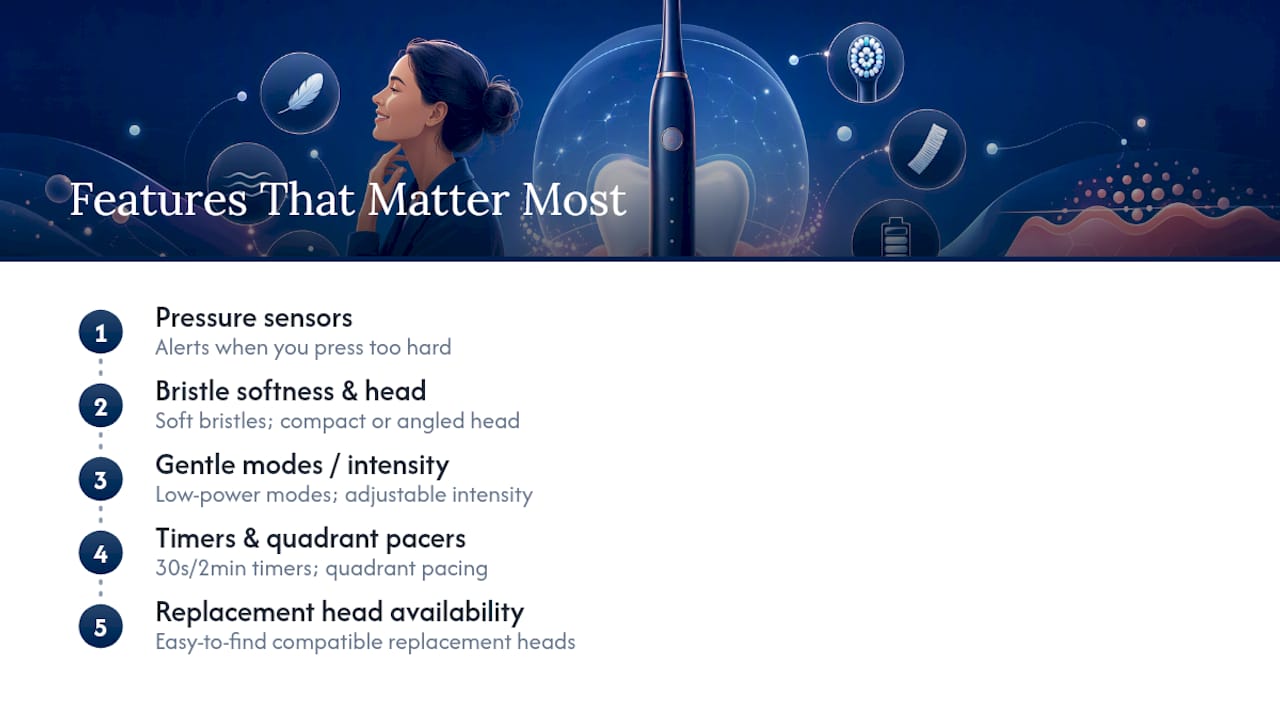
1. Pressure sensors, and how obvious they are
A pressure sensor only helps if you notice it. Some brushes use a subtle internal vibration change that’s easy to miss mid-brush; others use a bright light ring or a hard pause in the motor that’s impossible to ignore. Clinical findings on brushing force support pairing pressure feedback with a soft head specifically because excess force is one of the more common drivers of gingival abrasion. When you’re shopping, ask whether the sensor is visual, audible, or purely tactile. If you tend to brush on autopilot, visual or audible feedback works better than a subtle buzz you can tune out.
2. Bristle softness and head shape
“Soft” and “extra-soft” aren’t regulated terms, so they vary by brand. Tapered filaments, ones that narrow to a fine point rather than a blunt cut, flex more easily against the gumline and reduce the scraping sensation that makes brushing feel like a chore. Some brands also offer silicone-tipped or cushion-style heads, which testing has found to reduce discomfort for sensitive users over multi-week use, according to usmile’s testing of electric toothbrushes for sensitive teeth. Head size matters too. A smaller, rounded head reaches back molars and awkward angles without forcing you to jam a large brush head against inflamed tissue.
3. Gentle modes and adjustable intensity
This is the feature most people skip past when comparing specs, and it shouldn’t be. A brush with a single fixed speed forces everyone, from someone with rock-solid enamel to someone with visible recession, into the same intensity. Models with a dedicated sensitive or gum-care mode, plus a manual intensity dial, let you match the brush to your actual mouth instead of the average customer’s mouth. Forbes’ reviewers ranked adjustable intensity as one of the two features that most consistently improved comfort in testing, right alongside bristle softness.
4. Timers and quadrant pacers
A built-in two-minute timer with a quadrant pacer, usually a short pulse or beep every 30 seconds, keeps you from over-focusing on one spot and neglecting another. For sensitive gums, this matters twice as much: it stops you from lingering too long in one area out of habit, which is a common cause of localized irritation.
5. Replacement head availability
A brush is only as gentle as its current head. If extra-soft replacement heads aren’t easy to find or restock for your specific model, you’ll eventually swap in a standard-soft head out of convenience, undoing the whole point of buying a sensitive-focused brush in the first place.
Between these five, bristle softness and adjustable intensity do the most day-to-day work. A visible pressure sensor is your safety net, not your primary defense; it catches mistakes after they start, while soft, tapered bristles and gentle modes prevent most of those mistakes from happening at all.
How Do You Choose the Right Electric Toothbrush for Your Sensitivity Level?
Feature lists are useful, but they don’t tell you which brush fits your specific mouth. Run through these four questions before you buy anything.
How severe is your sensitivity, really? Occasional twinges when you eat something cold are different from gums that bleed most mornings or visible recession along the gumline. Mild cases usually do fine with a standard extra-soft head and a sensitive mode. More severe cases, especially visible recession, benefit from clinical-grade ultra-soft heads and, frankly, a conversation with a dentist before you rely on a toothbrush to solve the problem.
What’s your budget, and does it include replacement heads? A cheap handle paired with expensive, hard-to-find heads costs more over a year than a slightly pricier bundle with affordable, readily available refills. Price out three months of replacement heads before comparing sticker prices on the handle alone.
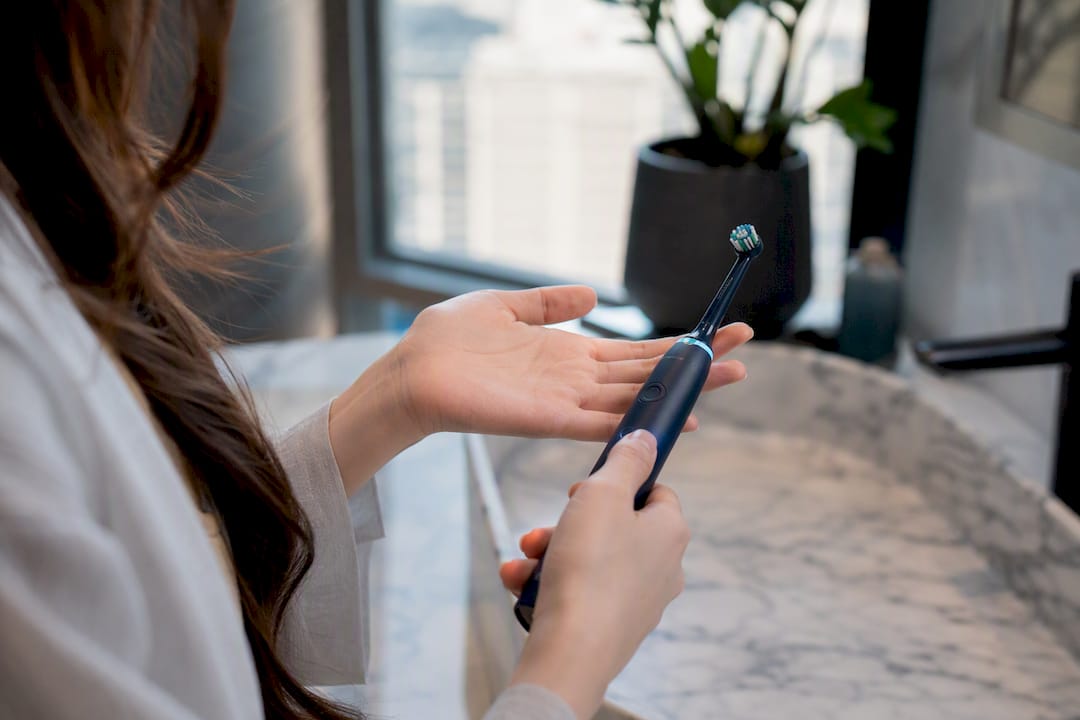
How comfortable are you with tech features? Some brushes include app connectivity, multiple modes, and detailed pressure analytics. If that sounds useful, great. If you know you’ll never open the app, prioritize a simple model with one obvious sensitive mode and a clear physical pressure indicator instead of paying for features you won’t touch.
Is the pressure feedback something you’ll actually notice? This is worth testing in-store if you can. Hold the brush against your palm at a normal brushing pressure, then push slightly harder. If you can’t tell the difference in vibration, light, or sound, that sensor won’t help you in practice.
Before checkout, ask the product listing (or a salesperson) three quick questions: Does this head come in an extra-soft or ultra-soft version? Is there a dedicated gum-care or sensitive mode, separate from “clean” or “whitening”? And does the intensity adjust manually, or is sensitivity handled only through mode switching? A “yes” to all three usually signals a brush built with sensitive gums in mind rather than one repurposed from a general lineup.
Pro Tip: If a product page doesn’t mention bristle material or intensity levels anywhere in its specs, that’s often a sign the brush wasn’t designed with sensitivity in mind. Gum-focused brands tend to lead with those details, not bury them.
If you have diagnosed gum recession, active periodontal disease, or bleeding that hasn’t improved after a few weeks of gentle brushing, skip the general consumer aisle entirely. Ask your dentist about clinical-grade ultra-soft brush heads, which are built for a narrower, more fragile use case than most retail “sensitive” lines. Brush selection helps, but as Health, it isn’t a substitute for professional evaluation when recession is already underway.
The Right Way to Brush When Your Gums Are Sensitive
Technique matters just as much as the brush itself. Even the softest head can irritate tender gums if you’re scrubbing side to side or pressing down out of habit from years of manual brushing.
- Start on the lowest intensity setting. Let the motor’s vibration do the cleaning instead of pushing the brush harder against your teeth. This is the single most common mistake people carry over from manual brushing.
- Hold the brush at a 45-degree angle to your gumline, aiming the bristle tips where your teeth meet your gums rather than flat against the tooth surface.
- Use small, guided movements, not the back-and-forth scrubbing motion that manual brushing trains into most people. Let the brush head glide slowly from tooth to tooth.
- Switch on your sensitive or gum-care mode and follow the built-in timer, spending roughly 30 seconds per quadrant if your model paces that way.
- Add interdental cleaning with floss or a water flosser once you’ve finished brushing. Health.com’s dental guidance is clear that brushing alone, no matter how gentle, doesn’t reach the space between teeth where a lot of gum irritation actually starts.
- Book a dental check if soreness, bleeding, or sensitivity persists past two to three weeks of consistent gentle brushing. That’s a signal worth having a professional look at, not something to keep managing with brush settings alone.
Reviewers and everyday users land on the same advice repeatedly: start low, favor gum-care modes over whitening or deep-clean settings, and resist the urge to switch back to full intensity the moment your gums feel a little better, according to Wired’s testing of electric toothbrushes for gum health. Gum tissue heals gradually. Ramping intensity back up too soon tends to undo two weeks of progress in a single overzealous session.
Keeping Your Brush Gentle: Replacement and Care
A soft brush head doesn’t stay soft forever. Bristles flare, tips round off, and somewhere around the three-month mark, most heads have lost enough shape to stop being genuinely gentle, even though they still technically work.
- Replace your brush head every three months, or sooner if you notice bristles splaying outward or losing their taper.
- Check for discoloration or a stiff, matted feel at the base of the bristles. Both are signs of wear that outpace the calendar.
- Rinse the head thoroughly under running water after every use and let it air-dry upright, away from the toilet bowl and other bristle heads, to avoid microbial buildup.
- Confirm any replacement head is genuinely marked “extra-soft” or “sensitive” for your specific model. Getsmilefam covers this in its guide on how often to replace a toothbrush head, including how to spot early wear before it starts undoing your progress.
- If you travel often, look for a bundle that includes a travel case and confirm battery life covers your trip length before you’re stuck brushing with a dead handle.
What the Research Actually Says About Gum Health and Electric Brushes
The evidence behind electric toothbrushes for gum health isn’t marketing spin. A systematic review of powered versus manual toothbrushes found that powered brushes reduce plaque and gingivitis more effectively than manual brushing across multiple trials, which is a meaningful data point if you’re deciding whether switching from manual is worth it at all.
The clearer takeaway from the clinical literature isn’t just that powered brushes outperform manual ones. It’s that pairing pressure feedback with a genuinely soft head reduces the risk of the kind of abrasion that worsens gum recession over time, rather than simply masking discomfort in the moment.
That distinction matters because a brush can technically clean well and still damage tissue if it’s used at full intensity with a firm head. Clinical findings on brushing force back this up directly, tying excess pressure to gingival damage independent of how effective the brush is at removing plaque.
A few things worth knowing about Getsmilefam’s approach here: the brand’s BLU Whitening Technology and related oral care products are formulated to be enamel-safe and free of harsh chemicals like hydrogen peroxide, positioning them for use alongside sensitive gums rather than in spite of them. That’s a product-safety claim, not a substitute for professional care.
- Powered brushes outperform manual brushes for plaque and gingivitis reduction in controlled research.
- Pressure sensors correct behavior, but bristle softness does most of the comfort work.
- No brush, however gentle, replaces a dentist’s evaluation once recession or bleeding is already present.
Key takeaway: gentle technology and soft bristles have to be told apart. Getsmilefam’s bundle can improve daily comfort, but persistent bleeding or visible recession still calls for a dental visit, not just a different brush setting.
Why the Standard Advice on Sensitive-Gum Brushes Falls Short
Most advice on this topic obsesses over motor technology, sonic versus rotating, number of vibrations per minute, app connectivity, as if raw power were the variable that matters. It isn’t. The research keeps pointing at two humbler factors: bristle softness and whether you actually use the lower intensity setting instead of defaulting back to full power once your gums feel better.
That second part gets overlooked constantly. People buy a gentle brush, use it correctly for two weeks, feel improvement, and then quietly crank the intensity back up because full power “feels more thorough.” It isn’t more thorough. It’s just more force against tissue that hasn’t fully recovered yet.
If you take one thing from this guide, let it be this: prioritize a soft, tapered head and a mode you’ll actually keep using at low intensity over any brush that wins on power specs alone. A pressure sensor is a nice safeguard, not a reason to trust your technique less. Getsmilefam built its bundle around that priority order for a reason, and it holds up against what the clinical literature actually says.
— Lenney
Get Started With a Gum-Safe Toothbrush Bundle
Most drugstore electric toothbrushes force a tradeoff: either you get a soft head with no pressure feedback, or a “smart” model loaded with modes you’ll never touch and a standard-soft head that doesn’t actually protect tender gums. Getsmilefam’s toothbrush bundle skips that tradeoff by pairing extra-soft, tapered bristles with adjustable intensity and a dedicated gum-care mode in one package, so you’re not stitching together features from three different products.
It’s built for exactly the situation this guide covers: gums that need a lighter touch without giving up plaque control. If travel is part of your routine, the Premium Travel Kit packs the same gentle-brush approach into a compact case with reliable battery life, so you’re not stuck reverting to a stiff hotel-issue brush mid-trip. Readers managing sensitivity alongside aging-related dental changes can also check the SmileFam guide for seniors for setup tips suited to that stage of care.
If your gums have been reacting to your current brush, the next step is simple: pick up the Premium Travel Kit, set it to the lowest intensity, and switch on the gum-care mode from day one.
Sources
- Systematic review on powered vs manual toothbrushes (PMC3459492)
- Clinical findings on brushing force and gum health (PMC10829363)
- Health
- Best Electric Toothbrush For Sensitive Gums — Forbes