

Assessing teeth whitening kit value means measuring how much whitening a product delivers, at what cost, and with what level of safety. The market splits into three main categories: over-the-counter strips averaging around $45, custom dentist trays priced at $200–$500, and in-office professional treatments running $300–$800 per session. Each tier delivers a different shade improvement range, carries different sensitivity risks, and demands a different long-term budget. Getting this comparison right before you buy is the difference between a brighter smile and wasted money.
How to assess teeth whitening kit value through effectiveness
Whitening effectiveness is measured in shade units, using standardized guides like the Vita Classical Shade Guide, which ranks tooth color from bright white to deep yellow-gray. Most clinical studies and consumer trials in 2026 use this scale to compare products objectively. Knowing how many shades a product moves the needle tells you far more than any marketing claim.
OTC whitening strips with 6–14% hydrogen peroxide typically deliver 2–5 shade improvements over 20 days. In-office treatments using 25–40% hydrogen peroxide achieve 6–10 shade improvements in a single session. That gap reflects the direct relationship between peroxide concentration and whitening speed.
Custom dentist trays sit in the middle. They yield 4–8 shade improvements over 2–4 weeks and can last for years with proper care. That longevity makes them the most efficient at-home method when you factor in repeat use over time.
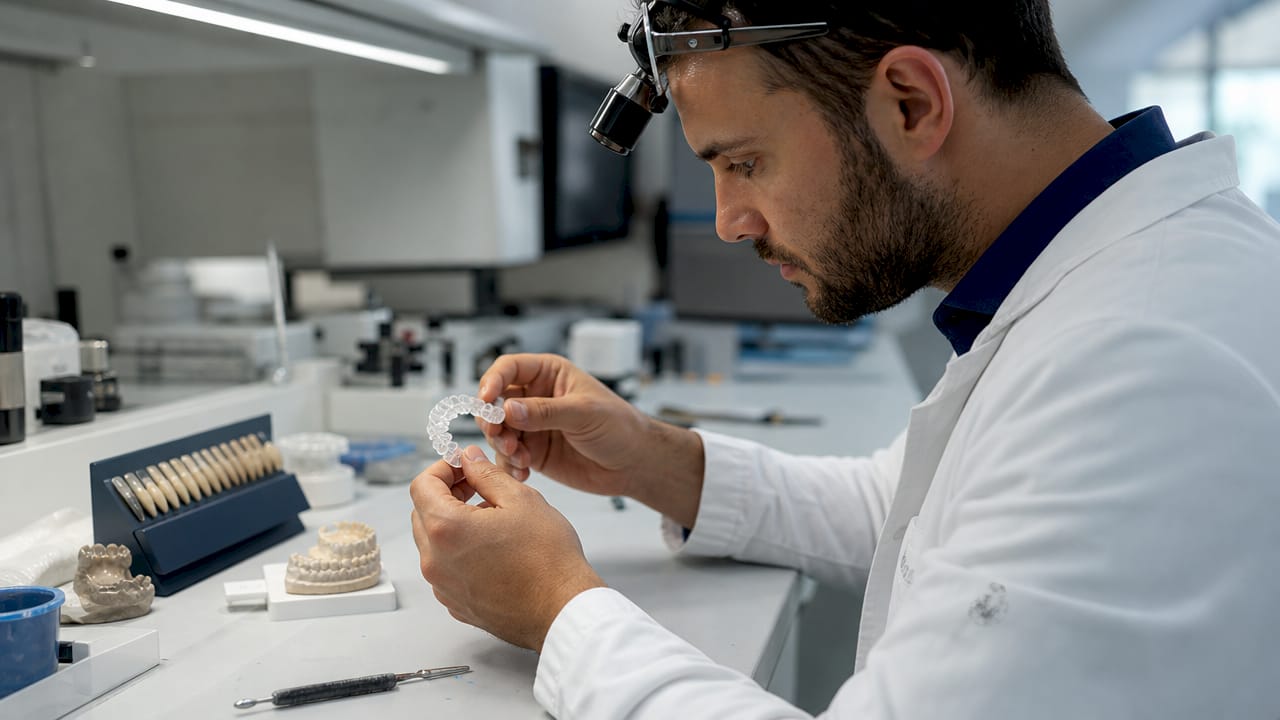
Fit matters as much as concentration. Poorly fitting OTC strips often fail to cover tooth edges and the gumline, leaving uneven whitening even after full treatment. A kit that whitens only the center of your teeth while leaving the sides yellow has delivered poor value regardless of its price.
The Good Housekeeping Beauty Lab’s 2026 study of 150 testers across 2,250 data points confirmed that effectiveness varies widely and that sensitivity spikes when peroxide concentration is mismatched to a person’s enamel tolerance. That finding reinforces why concentration and fit are the two primary effectiveness metrics worth checking before any purchase.
| Whitening method | Active ingredient | Typical concentration | Shade improvement | Treatment duration |
|---|---|---|---|---|
| OTC strips | Hydrogen peroxide | 6–14% | 2–5 shades | ~20 days |
| Custom dentist trays | Carbamide or hydrogen peroxide | 10–22% | 4–8 shades | 2–4 weeks |
| In-office professional | Hydrogen peroxide | 25–40% | 6–10 shades | Single session |
What does teeth whitening kit cost actually buy you?
Price is the most visible variable when you evaluate teeth whitening kits, but upfront cost rarely tells the full story. The real question is cost per shade improvement across the full life of the product.
OTC strips at $45 deliver 2–5 shades. That works out to roughly $9–$22 per shade. If results fade in 3–6 months and you repurchase twice a year, your annual spend climbs to $90 or more. Many consumers try several brands before finding one that works, which pushes total spending even higher. Multiple OTC kit purchases often exceed the cost of a single professional treatment over a 12-month period.
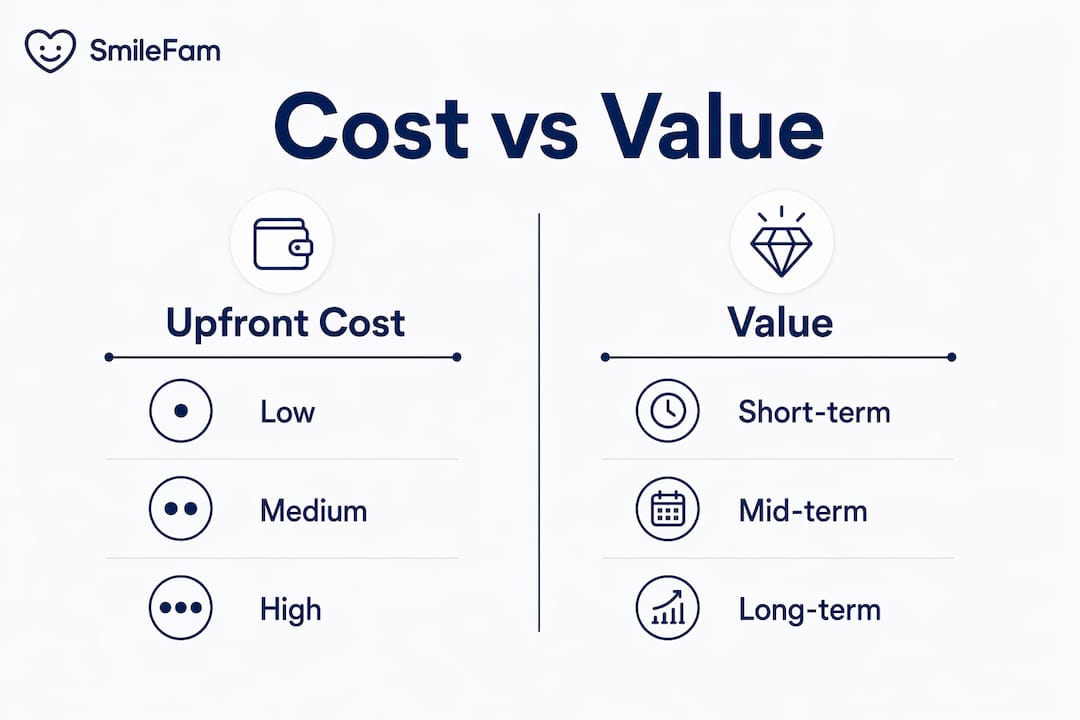
Custom dentist trays cost $200–$500 upfront but last for years. You refill the whitening gel as needed, which costs a fraction of the original tray price. The teeth whitening return on investment improves significantly when you spread the tray cost across multiple treatment cycles. Professional whitening also produces more predictable results, which reduces the frustration cost of failed attempts.
In-office treatments at $300–$800 per session carry the highest upfront price. For consumers who need immediate results before a wedding or event, that cost is justified. For long-term maintenance, the math rarely works in their favor without supplementing with a take-home option.
| Method | Upfront cost | Results duration | Annual cost estimate | Best for |
|---|---|---|---|---|
| OTC strips | ~$45 | 3–6 months | $90+ | Budget starters |
| Custom dentist trays | $200–$500 | Years | Low after initial | Long-term users |
| In-office professional | $300–$800 | 1–3 years | Variable | Immediate results |
Professional whitening often delivers better long-term value because it reduces repeat purchasing and produces predictable outcomes. That predictability is itself a form of savings.
How do safety standards affect which kit you should choose?
Safety in teeth whitening is regulated by the concentration of peroxide allowed in consumer products. In the United States, the American Dental Association recommends that consumers consult a dentist before using any product above 10% hydrogen peroxide. The European Union caps consumer whitening products at 0.1% hydrogen peroxide, requiring higher concentrations to be dispensed by dental professionals only. These limits exist because higher concentrations increase the risk of enamel damage and gum irritation when used without professional supervision.
The type of peroxide matters for sensitivity management. Carbamide peroxide decomposes slower than hydrogen peroxide, which produces a lower acute sensitivity spike. Consumers with sensitive teeth consistently report better experiences with carbamide peroxide formulas. If you have known sensitivity, choosing a carbamide-based product at a lower concentration is the safer starting point.
Custom trays reduce gum irritation because the gel stays on the tooth surface rather than spreading onto soft tissue. Generic boil-and-bite trays and OTC strips both allow gel migration, which is the primary cause of gum burning during whitening. Long-term color stability also tracks to tray fit, since even gel coverage prevents the patchy results that lead to repeated applications and cumulative sensitivity.
Pro Tip: Skip any whitening kit that includes an LED light as a selling point. Clinical evidence shows that LED activation adds no measurable whitening benefit at standard consumer peroxide concentrations but increases sensitivity risk by 3.53 times. That LED light is a cost addition with no upside.
Step-by-step guide to evaluating and choosing a whitening kit
Choosing the right whitening kit requires matching product features to your specific goals, budget, and sensitivity level. A structured evaluation prevents impulse purchases that deliver poor results.
-
Define your whitening goal. Decide whether you want a dramatic change quickly or a gradual improvement over weeks. Immediate results require higher concentrations or professional treatment. Gradual improvement is achievable with lower-concentration at-home options.
-
Set a realistic budget. Include the cost of maintenance, not just the initial purchase. A $45 strip kit that you repurchase four times a year costs $180 annually. A $300 custom tray with $30 gel refills costs far less over the same period.
-
Check the active ingredient and concentration. Look for hydrogen peroxide or carbamide peroxide on the label. Avoid products that list only “whitening agents” without specifying the compound. Concentration should match your sensitivity level: 6–10% for sensitive teeth, up to 14% for standard tolerance.
-
Assess the fit and delivery method. Custom trays from a dentist provide the best coverage. If you choose an OTC option, look for strips with a flexible adhesive that conforms to tooth curves. Rigid or generic trays are the most likely to cause uneven results.
-
Verify safety certifications. Look for ADA Seal of Acceptance or equivalent third-party certification. Products without independent safety verification carry higher risk, regardless of price.
-
Plan your maintenance strategy. Whitening toothpaste, mouthwash, and whitening pens are maintenance tools, not primary whitening agents. Dental experts confirm these products work best after a primary whitening treatment to extend and preserve results. Build them into your routine from the start.
Post-whitening maintenance is where many consumers lose ground. Skipping a daily maintenance product after completing a treatment cycle shortens results by weeks. A whitening pen used once daily after coffee or meals costs far less than a repeat full treatment cycle.
Key Takeaways
The best value in teeth whitening comes from matching concentration, fit, and long-term cost to your actual goals, not from choosing the cheapest option available.
| Point | Details |
|---|---|
| Shade improvement is the core metric | Measure value by shades gained per dollar, not by upfront price alone. |
| Fit determines result quality | Poorly fitting strips cause uneven whitening regardless of peroxide strength. |
| Carbamide peroxide suits sensitive teeth | It decomposes slower than hydrogen peroxide, reducing acute sensitivity spikes. |
| LED lights add cost, not results | Clinical evidence shows LED activation raises sensitivity risk with no whitening benefit. |
| Maintenance extends your investment | Whitening pens and toothpaste preserve results and reduce the need for repeat treatments. |
The mistake most people make when buying whitening kits
The most common error I see is treating teeth whitening as a one-time purchase decision. Consumers pick the cheapest OTC strip, use it for 20 days, see modest results, and then repeat the cycle every few months. Over a year, they spend more than a custom tray would have cost and end up with patchier, less stable results.
The second mistake is ignoring sensitivity signals. If a product causes sharp tooth pain or gum burning after the first session, continuing use at the same concentration will not improve results. It will damage enamel and make future whitening harder. Switching to a lower concentration or a carbamide peroxide formula is not giving up. It is the correct clinical response.
My honest recommendation is to consult a dentist before spending anything above $50. A 15-minute conversation can tell you whether your staining is extrinsic (surface level, highly responsive to whitening) or intrinsic (deeper, less responsive). That distinction changes everything about which product category will actually work for you. Spending $300 on in-office treatment for intrinsic staining that requires a different dental procedure is not a value decision. It is a mismatch.
Budget for the long game. A good whitening result maintained with a daily pen and a whitening toothpaste costs far less annually than cycling through multiple full treatment kits. The money-saving strategies that actually work are the ones built around a single strong initial treatment followed by consistent, low-cost maintenance.
— Lenney
Getsmilefam’s approach to safe, affordable whitening
Getsmilefam builds its products around the principle that effective whitening should not require a $500 dental visit or a peroxide formula that leaves your teeth aching.
The Snow Serum™ Whitening Pen uses BLU Whitening Technology, developed in Singapore, with an enamel-safe formula free of harsh hydrogen peroxide. It is designed for daily use and sensitive gums, making it a practical maintenance tool after any primary whitening treatment. For consumers who want a portable option, the Premium Travel Kit keeps your whitening routine consistent whether you are at home or traveling. Getsmilefam’s focus on lab-approved, sensitivity-conscious formulas reflects exactly the kind of safety-first thinking that the research supports.
FAQ
What is the best value teeth whitening method overall?
Custom dentist trays offer the best long-term value for most consumers, delivering 4–8 shade improvements over 2–4 weeks at $200–$500 upfront, with low-cost gel refills extending use for years.
How do I evaluate teeth whitening kits before buying?
Check the active ingredient, its concentration, the tray or strip fit, and any third-party safety certification such as the ADA Seal of Acceptance before purchasing any whitening kit.
Does teeth whitening kit cost predict effectiveness?
Not directly. OTC strips at $45 deliver 2–5 shades, while in-office treatments at $300–$800 deliver 6–10 shades. Cost correlates with concentration and delivery method, not with brand price alone.
Are LED whitening kits worth the extra cost?
No. Clinical evidence shows LED activation provides no measurable whitening benefit at standard consumer peroxide concentrations and increases sensitivity risk by 3.53 times.
What should I use to maintain whitening results?
Whitening pens, whitening toothpaste, and mouthwash are the most practical maintenance tools. Dental experts recommend using them after a primary whitening treatment to extend and preserve results.