

Modern whitening technology ensures safety by controlling peroxide concentrations, maintaining neutral pH levels, and using filtered light systems that protect enamel and pulp tissue. These are not marketing claims. They are the product of clinical research, regulatory standards, and ingredient science that have advanced significantly by 2026. If you have sensitive teeth or worry about enamel damage, understanding how whitening technology minimizes risk is the most useful thing you can do before choosing a product. This article breaks down the exact mechanisms that separate safe whitening methods from those that cause harm.
How whitening technology ensures safety through ingredient science
The safety of any whitening product starts with its active ingredients. The two most common bleaching agents are hydrogen peroxide (HP) and carbamide peroxide, which breaks down into hydrogen peroxide inside the mouth. Both work by releasing oxygen molecules that penetrate enamel and oxidize stain compounds within the dentin layer.
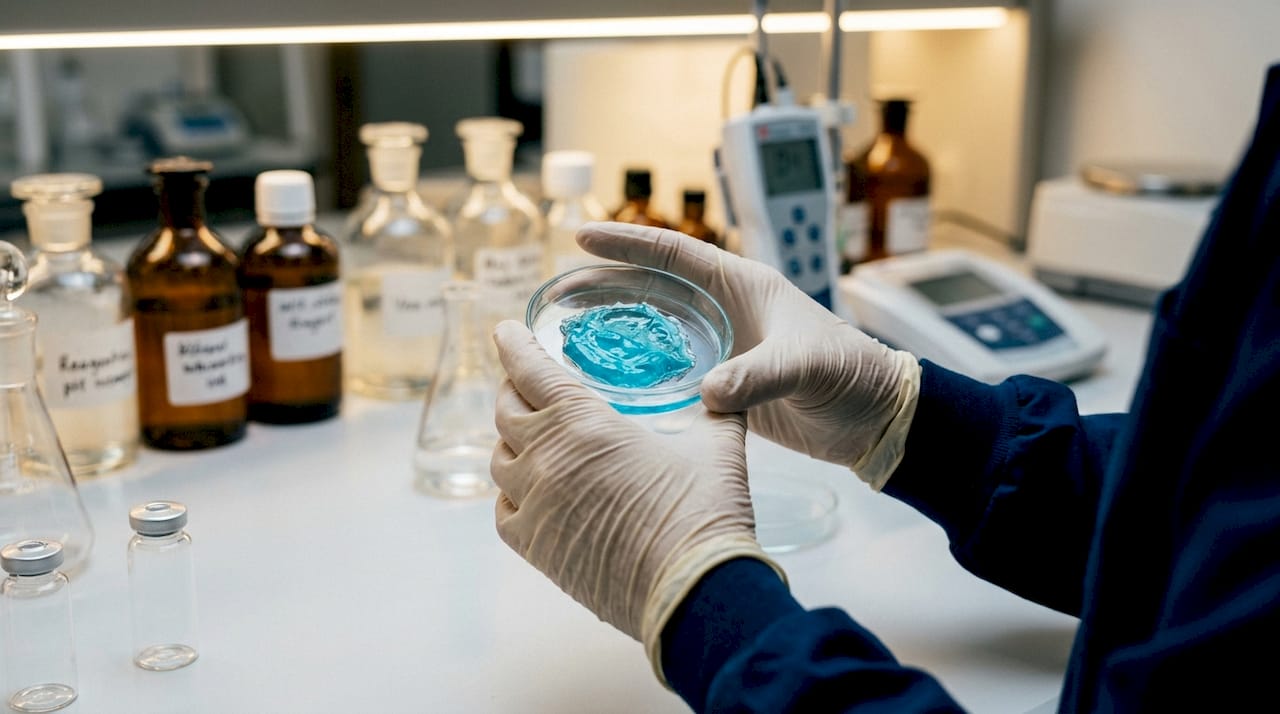
Concentration is the critical variable. Low-concentration 3% HP strips deliver results comparable to higher concentrations, with only mild transient sensitivity that resolves on its own. That finding matters because it proves effective whitening does not require aggressive chemistry. Professional guidelines in 2026 cap at-home peroxide use at 6% for unsupervised products, with anything above that requiring professional supervision.
A newer alternative gaining clinical traction is phthalimidoperoxycaproic acid, known as PAP. Unlike hydrogen peroxide, PAP oxidizes stains selectively without releasing free radicals or reactive oxygen species. That distinction matters for pulp health. Hydrogen peroxide at higher concentrations can trigger pulp inflammation; PAP does not carry the same risk. Products built on PAP chemistry represent a meaningful step forward in approved whitening ingredients for people with sensitivity concerns.
pH level is the other ingredient factor most people overlook. Acidic whitening gels erode enamel over time and create conditions that promote pulp inflammation. pH-neutral whitening gels preserve enamel microhardness and prevent the chronic pulp stress associated with acidic formulations. Buffered formulas that create a rapid pH jump also reduce the amount of peroxide needed, which shortens wear time and lowers total tissue exposure.
Desensitizing agents round out the safety profile of well-formulated products. Potassium nitrate blocks nerve repolarization, which reduces the pain signal from open dentinal tubules. Fluoride forms fluorapatite crystals on the enamel surface, reinforcing the structure that whitening chemistry temporarily softens. Products that combine a regulated bleaching agent with potassium nitrate and fluoride represent the current standard for safe whitening methods.
- Hydrogen peroxide (3%–6%): Effective at regulated concentrations; mild sensitivity resolves without intervention.
- PAP: Selective oxidation with no free radical release; lower risk for pulp and enamel.
- Potassium nitrate: Blocks nerve signals to reduce sensitivity during and after treatment.
- Fluoride: Rebuilds enamel surface through fluorapatite crystal formation.
- Buffered pH gels: Maintain neutral pH to protect enamel microhardness and pulp integrity.
Pro Tip: Check the ingredient list for both a bleaching agent and a desensitizer before buying any at-home whitening product. A formula with only peroxide and no buffering or sensitivity support is a red flag.
How do light activation systems improve whitening safety?
Light-activated whitening accelerates the bleaching reaction, which sounds counterintuitive from a safety perspective. The key is that faster activation means shorter total peroxide exposure. Less time with active chemistry on the teeth translates directly to less risk for enamel and pulp tissue.
Older blue LED systems generated significant heat during treatment. That heat raised pulp temperature, causing dehydration and the sharp post-treatment sensitivity that gave light-activated whitening a bad reputation. Modern filtered multi-spectrum LEDs maintain pulp temperature within safe limits by targeting specific chromophores in stain molecules without the thermal spillover of earlier technology. The result is faster stain breakdown with less biological stress on the tooth.
The 2026 generation of LED devices also incorporates gum barriers and soft tissue shields as standard protocol. These physical protections prevent peroxide gel from contacting the gingival margin, which eliminates one of the most common causes of post-treatment gum irritation. For anyone researching LED whitening device safety for gum health, this hardware-level protection is as important as the chemistry itself.
Getsmilefam’s BLU Whitening Technology, developed in Singapore, uses this filtered light approach in its at-home kit. The system is designed to deliver visible results in a single session without the thermal risk associated with older LED formats.
Pro Tip: If an LED whitening device does not specify filtered or multi-spectrum light, ask the manufacturer directly. Unfiltered blue LEDs are still sold and carry a higher sensitivity risk than current filtered systems.
What safety standards govern whitening products in 2026?
Regulatory frameworks set the floor for whitening technology safety features. Without them, concentration levels and ingredient quality would vary wildly across consumer products.
The current professional standards in the UK and EU establish the following requirements for whitening products:
- Consumer products must stay at or below 6% hydrogen peroxide. Products above this threshold are classified as professional-use only and require a licensed dental practitioner to supervise application.
- Concentrations between 6% and 35% require professional supervision. This tier covers in-office treatments and take-home trays dispensed by a dentist after clinical evaluation.
- Dental evaluation is required before professional-grade whitening. This step screens for existing decay, cracked enamel, or gum disease that would make whitening unsafe regardless of concentration.
- Overuse past biological saturation is prohibited by clinical best practice. Repeated treatments beyond saturation degrade structural proteins in enamel without producing additional whitening, increasing damage risk with no benefit.
These standards exist because the risks from unsupervised overuse are real and documented. Structural protein degradation, enamel softening, and chronic pulp inflammation are all outcomes of misuse, not of whitening technology itself. The technology is safe when used within its designed parameters. The problem is always application, not the chemistry.
For consumers, the practical implication is straightforward. Products sold without a peroxide concentration listed, or with concentrations above 6% marketed for unsupervised home use, fall outside the 2026 regulatory framework. That is a clear signal to look elsewhere.
How does whitening technology manage sensitivity and protect enamel?
Post-whitening sensitivity is the most common concern people raise, and the most misunderstood. Sensitivity after whitening does not mean enamel is thinning or being destroyed. Open dentinal tubules allow fluid movement that triggers nerve responses. This is a transient mechanical effect, not structural damage.
Modern whitening products address this through three parallel mechanisms. First, remineralizing agents like CPP-ACP (casein phosphopeptide-amorphous calcium phosphate) occlude open tubules by depositing calcium and phosphate into the exposed channels. Second, potassium nitrate reduces the nerve’s ability to fire pain signals. Third, fluoride accelerates enamel rehardening after treatment. Together, these agents address sensitivity at the nerve level, the tubule level, and the enamel surface level simultaneously.
The pH of the formula also plays a direct role in enamel protection. Acidic gels dissolve the hydroxyapatite crystals that give enamel its hardness. Neutral pH formulas avoid this entirely. The connection between enamel preservation and whitening safety is well-established in clinical literature, and pH control is the most direct lever a formulator has.
Practical home care during a whitening course also reduces discomfort significantly:
- Avoid temperature extremes. Cold water and hot beverages amplify tubule sensitivity during treatment.
- Use a soft-bristle toothbrush. Abrasive brushing on temporarily softened enamel increases surface wear.
- Apply a remineralizing gel after each session. CPP-ACP or fluoride gel used post-treatment accelerates tubule occlusion.
- Space sessions appropriately. Daily overuse prevents enamel from rehardening between treatments.
The parallel between whitening ingredient safety and skin brightening safety is worth noting. Both fields have moved toward selective oxidation agents and pH-controlled formulas for the same reason: aggressive chemistry produces short-term results at the cost of long-term tissue health.
Key Takeaways
Safe whitening technology works by combining regulated peroxide concentrations, pH-neutral formulations, filtered LED light systems, and desensitizing agents to protect enamel and pulp while removing stains effectively.
| Point | Details |
|---|---|
| Peroxide concentration limits | At-home products must stay at or below 6% HP; 3% is effective with minimal sensitivity. |
| PAP as a safer alternative | PAP oxidizes stains without free radicals, reducing enamel and pulp risk compared to hydrogen peroxide. |
| pH-neutral formulas protect enamel | Buffered, neutral-pH gels preserve enamel microhardness and prevent pulp inflammation. |
| Filtered LEDs reduce heat damage | Multi-spectrum filtered LEDs target stain chromophores without raising pulp temperature to harmful levels. |
| Desensitizers are non-optional | Potassium nitrate and fluoride in the formula directly reduce sensitivity and rebuild enamel after treatment. |
What the whitening industry still gets wrong
The biggest myth I keep seeing repeated is that whitening thins enamel. It does not, when the product is formulated correctly. Clinical evidence consistently shows that pH-neutral formulations preserve enamel microhardness across full treatment courses. The enamel thinning narrative comes from misuse: acidic gels, overuse past saturation, and abrasive “natural” remedies.
Speaking of natural remedies: lemon juice and charcoal are the two most damaging things people apply to their teeth in the name of whitening. Charcoal’s abrasive rating exceeds 200 RDA, which is far above the threshold the American Dental Association considers safe for daily use. Lemon juice is acidic enough to dissolve enamel with repeated application. Neither produces meaningful whitening. Both cause measurable harm.
What I find genuinely encouraging in 2026 is the convergence of pH science and light technology. Buffered formulas that jump to neutral pH quickly, combined with filtered LEDs that shorten exposure time, have made at-home whitening meaningfully safer than it was five years ago. The gap between professional and consumer results has narrowed. The gap between safe and unsafe products has widened, because the good ones are now much better.
My practical advice: read the ingredient list before the marketing copy. If a product lists a bleaching agent without a desensitizer, or does not disclose its pH or peroxide concentration, that absence tells you something important. Transparency in formulation is the clearest signal of a brand that takes whitening safety features seriously.
— Lenney
Getsmilefam’s approach to safe, effective whitening
Getsmilefam builds its whitening products around the safety principles this article covers: lab-approved ingredients, enamel-safe formulas, and technology designed for sensitive teeth.
The BLU Teeth Whitening Kit uses BLU Whitening Technology developed in Singapore, with filtered light activation and formulas free from harsh peroxide chemistry. For daily maintenance, the BLU Whitening Toothpaste supports enamel remineralization between sessions. Both products are designed to meet 2026 safety standards for at-home use, with built-in sensitivity support and no aggressive bleaching agents. If you want results without the risk, Getsmilefam’s product line is built around exactly that balance.
FAQ
What concentration of peroxide is safe for at-home whitening?
At-home whitening products are capped at 6% hydrogen peroxide under 2026 professional guidelines. Research shows 3% HP delivers comparable results with minimal sensitivity and no significant adverse events.
Does whitening technology actually damage enamel?
Properly formulated, pH-neutral whitening products do not thin or damage enamel. Enamel damage results from acidic gels, overuse, or abrasive home remedies like charcoal, not from regulated whitening technology.
What is PAP and why is it considered safer than hydrogen peroxide?
PAP (phthalimidoperoxycaproic acid) oxidizes tooth stains without releasing free radicals or reactive oxygen species. This makes it significantly less likely to cause pulp inflammation or enamel stress compared to hydrogen peroxide.
Why do teeth feel sensitive after whitening?
Post-whitening sensitivity comes from open dentinal tubules that allow fluid movement near nerve endings. It is a temporary mechanical response, not structural damage, and resolves with remineralizing agents like CPP-ACP, potassium nitrate, or fluoride.
Are LED whitening devices safe for home use?
Modern filtered multi-spectrum LED devices are safe for home use when used as directed. They maintain pulp temperature within safe limits, unlike older unfiltered blue LEDs that caused heat-related sensitivity and dehydration.