

Affordable teeth whitening is defined as the use of peroxide-based bleaching agents or mild abrasives to reduce tooth discoloration at a fraction of the cost of professional dental treatment. Understanding how affordable whitening works effectively means knowing that the active chemistry, not the price tag, drives real results. Products like Crest 3D Whitestrips and whitening toothpastes from brands such as Colgate and Arm & Hammer use the same core bleaching science as in-office treatments, just at lower concentrations. When used correctly and consistently, these at-home whitening solutions deliver measurable shade improvements without the $500 to $1,200 price tag of a dental office session.
How affordable whitening works effectively: the science behind the results
True whitening is a chemical process, not a surface polish. Hydrogen peroxide and carbamide peroxide are the two active agents found in nearly every effective whitening method on the market. These molecules are small enough to penetrate tooth enamel and reach the dentin layer beneath, where they break apart colored molecules called chromophores through a process called oxidation. The result is a tooth that reflects more light and appears genuinely whiter, not just cleaner.
Here is what separates chemical bleaching from abrasive whitening:
- Chemical bleaching uses peroxide to oxidize intrinsic stains inside the enamel and dentin. This is the only method that addresses discoloration below the tooth surface.
- Abrasive whitening uses mild abrasives such as silica or baking soda to scrub away surface stains. It polishes the outer layer but cannot bleach intrinsic stains and risks enamel damage if overused.
- Carbamide peroxide breaks down into hydrogen peroxide and urea when it contacts saliva, releasing the active bleaching agent more slowly. This makes it well suited for overnight trays.
- Hydrogen peroxide acts faster and is the primary agent in most strip-based products.
OTC products typically contain 3% to 14% hydrogen peroxide, while professional in-office treatments use 10 to 40% peroxide concentrations to achieve faster, more dramatic results. The lower concentration in affordable products simply means the same chemistry works more gradually over days and weeks rather than in a single session.
Pro Tip: If you have sensitive teeth, look for carbamide peroxide formulas rather than hydrogen peroxide strips. The slower release rate reduces the chance of post-treatment sensitivity while still delivering real bleaching results.
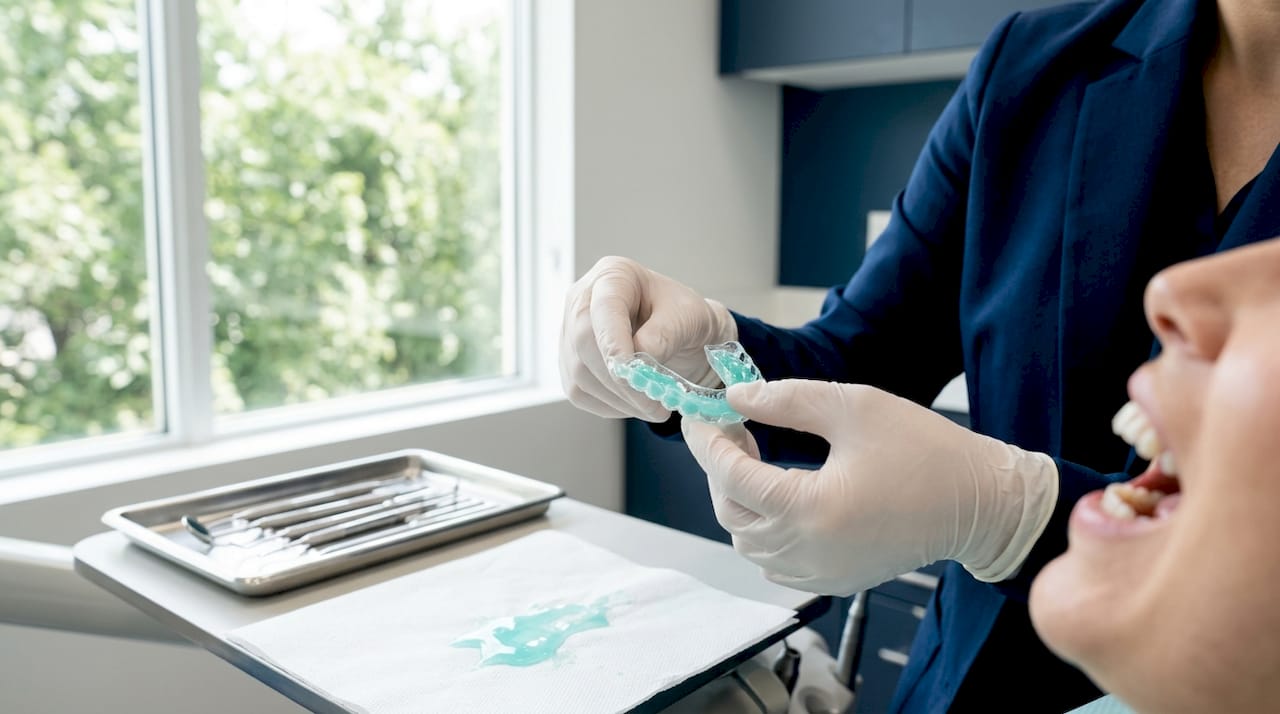
Strips, toothpastes, powders, and gels: which affordable option actually works?
Not all budget whitening products work the same way. The method you choose determines how fast you see results, how much you spend, and how much risk you take with your enamel.
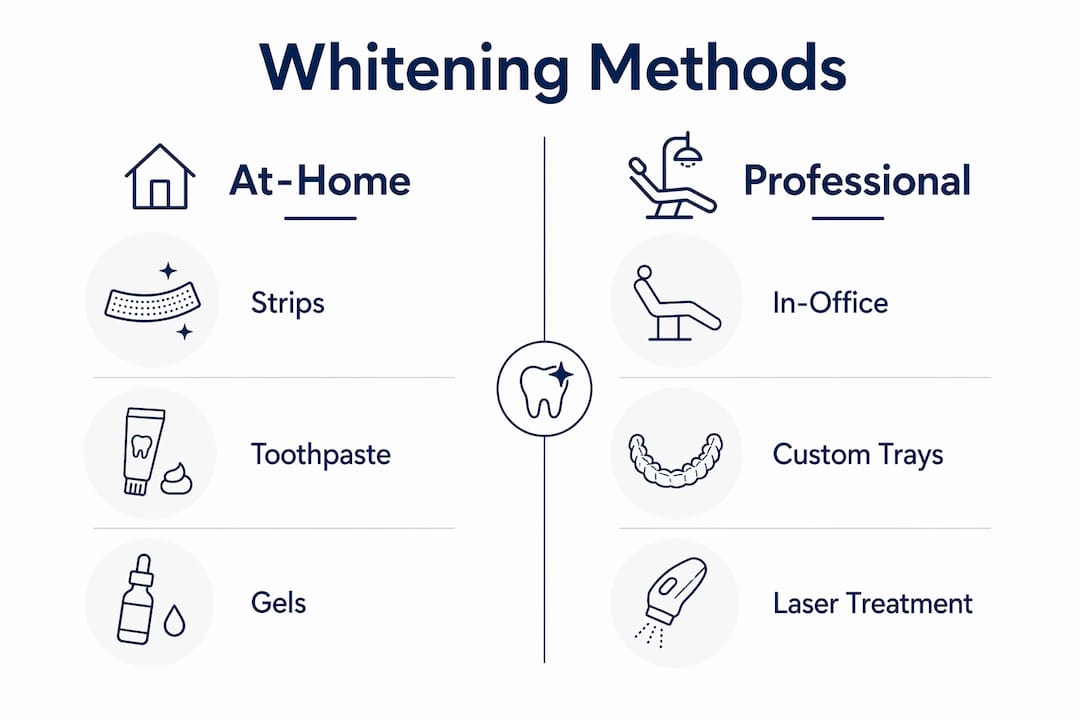
Whitening strips are the most clinically validated affordable option. Products like Crest 3D Whitestrips use 10% to 14% hydrogen peroxide and deliver 2 to 5 shade improvements over 14 to 20 days. Around 30 to 50% of users experience transient sensitivity during treatment, but enamel returns to baseline within 2 to 4 weeks after stopping. This means the sensitivity is temporary and the enamel is not permanently damaged. Strips cost between $25 and $100, making them the best cost-to-results ratio in the OTC category.
Whitening toothpastes and powders work differently. They rely on mild abrasives to remove surface stains gradually over 2 to 6 weeks, typically costing just $10 to $15. They do not chemically bleach teeth, so they cannot address deeper discoloration. They work best as maintenance tools after a strip or gel treatment, not as a primary whitening method.
OTC gels and LED kits are popular but require scrutiny. The LED light component adds minimal benefit unless paired with a high-quality peroxide gel. Marketing for these kits frequently overstates the effectiveness of LED lights in affordable configurations. The gel itself does the work. If the gel concentration is low, the light changes nothing.
| Method | Cost range | Shade improvement | Treatment time | Key limitation |
|---|---|---|---|---|
| Whitening strips | $25 to $100 | 2 to 5 shades | 14 to 20 days | Temporary sensitivity |
| Whitening toothpaste | $10 to $15 | 1 to 2 shades | 2 to 6 weeks | Surface stains only |
| Whitening powder | $10 to $20 | 1 to 2 shades | 4 to 8 weeks | Enamel risk if overused |
| OTC gel and LED kit | $30 to $80 | 2 to 4 shades | 10 to 14 days | LED adds little without strong gel |
Pro Tip: Combine a peroxide-based strip treatment with a whitening toothpaste for maintenance. The strips do the bleaching work; the toothpaste keeps surface stains from rebuilding between sessions.
How to maximize your whitening results safely
Getting the most from cost-effective whitening techniques comes down to consistency, timing, and protecting your enamel throughout the process. Follow these steps to get the best outcome from any affordable treatment.
-
Complete the full treatment course. Peroxide whitening is a cumulative chemical reaction, not an instant visual change. Many people quit after a few days because they see no immediate difference, losing all potential results. Stick to the full 14 to 20 days.
-
Avoid overusing abrasive products. Charcoal powders and baking soda scrubs feel effective because they remove surface debris quickly. However, daily abrasive use wears down enamel over time. Reserve these products for occasional use, no more than two to three times per week.
-
Support enamel health with nano-hydroxyapatite toothpaste. Products containing nano-hydroxyapatite, such as Boka or Risewell toothpastes, remineralize enamel between whitening sessions. This reduces sensitivity and keeps the enamel surface strong enough to respond well to peroxide treatments.
-
Time your treatments strategically. Avoid whitening immediately before or after consuming highly acidic foods or drinks. Acid temporarily softens enamel, making it more vulnerable to sensitivity during peroxide exposure. Wait at least 30 minutes after eating before applying strips or gel.
-
Reduce staining inputs to prolong results. Coffee, red wine, tea, and tobacco are the primary causes of tooth discoloration. Rinsing your mouth with water after consuming these does not eliminate staining, but it significantly slows the rate of color relapse. For a full breakdown of at-home whitening strategies, including timing and product pairing, Getsmilefam covers this in detail.
-
Use maintenance products after your treatment cycle ends. Experts confirm that regular maintenance with mild whitening products prevents color relapse after intensive treatments. A whitening toothpaste used daily after completing a strip course extends results by weeks.
Pro Tip: Brush your teeth before applying whitening strips, not after. Clean teeth allow the peroxide gel to contact the enamel directly without a film of saliva or food residue blocking absorption.
What results to expect from affordable whitening vs. professional treatments
Setting realistic expectations is the most important part of any whitening plan. Affordable OTC whitening yields modest but real results. Understanding the ceiling of each method helps you decide when to stay budget-conscious and when a professional visit is worth the cost.
At-home kits take 1 to 2 weeks to show results but offer similar long-term stability to professional treatments when maintained properly. This is a significant finding. It means the gap between OTC and professional whitening is primarily about speed, not durability.
Here is what each tier realistically delivers:
- OTC whitening strips and gels produce 2 to 5 shade improvements over 14 to 20 days. They work best on surface stains and mild intrinsic discoloration from coffee, tea, and aging.
- Professional in-office whitening achieves up to 10-shade improvement in a single 60 to 90 minute session, costing $300 to $1,200. For those exploring in-office whitening options, the speed advantage is the primary reason to pay more.
- Severe intrinsic discoloration from tetracycline antibiotics, fluorosis, or trauma does not respond well to OTC products. These cases require professional-strength bleaching or cosmetic veneers.
- Whitening effects last 6 to 12 months with professional treatment and a comparable duration with OTC products when maintenance is consistent.
The practical takeaway: if your discoloration is mild to moderate and caused by diet or lifestyle, affordable whitening delivers real, lasting results. If you want dramatic change in a single session or have deep structural staining, professional treatment is the appropriate choice. For more detail on whitening results explained, including shade charts and timelines, Getsmilefam provides a clear breakdown.
Key takeaways
Affordable whitening works effectively because peroxide-based chemistry penetrates enamel to break down stains, and consistent use over 14 to 20 days produces real, lasting shade improvements at a fraction of professional costs.
| Point | Details |
|---|---|
| Peroxide is the active agent | Hydrogen and carbamide peroxide bleach intrinsic stains; abrasives only polish the surface. |
| OTC strips deliver real results | Clinical data shows 2 to 5 shade improvements over 14 to 20 days at $25 to $100. |
| Consistency drives outcomes | Whitening is cumulative chemistry. Quitting early eliminates all potential results. |
| Maintenance extends results | Using a whitening toothpaste after treatment prevents color relapse for weeks or months. |
| Know when to go professional | Severe or structural discoloration requires in-office treatment at $300 to $1,200 per session. |
Why most people get affordable whitening wrong
I have spent years watching people buy the right products and still get disappointing results. The problem is almost never the product. It is the expectation that whitening works like paint. You apply it, you see it. That is not how peroxide chemistry works, and the marketing on most packaging does not help.
The most common mistake I see is abandoning a strip treatment on day four or five because nothing looks different yet. Peroxide oxidation is happening at the molecular level inside your enamel. You will not see it until the process has accumulated enough change to shift the shade visibly, usually around day seven to ten. The people who quit early are not saving their enamel. They are just wasting money.
The second mistake is chasing “instant whitening” products. Anything claiming dramatic results in one use is either using a surface coating that washes off within hours or making claims the chemistry cannot support. Real bleaching takes time. That is not a flaw. It is how the science works.
What I find genuinely impressive about the current generation of affordable products is that the long-term stability data now matches professional treatments when maintenance is consistent. You do not need to spend $800 at a dental office to get a smile that stays white for six to twelve months. You need the right product, the right protocol, and the patience to complete it. Getsmilefam’s approach with enamel-safe formulas addresses exactly this gap, giving you the chemistry without the sensitivity risk that makes so many people quit too soon.
— Lenney
Start your whitening routine with Getsmilefam
Getsmilefam offers two affordable, enamel-safe options built for real results at home. The BLU Whitening Toothpaste combines daily stain removal with enamel support, making it the ideal maintenance product after any whitening treatment course. For a more complete approach, the BLU Teeth Whitening Kit uses BLU Whitening Technology developed in Singapore, formulated without harsh hydrogen peroxide and designed for sensitive gums. Both products are lab-approved, affordable, and built around the same oxidation science this article covers. If you are ready to start seeing real results without the dental office price tag, Getsmilefam is the place to begin.
FAQ
How does affordable whitening actually work?
Affordable whitening uses hydrogen peroxide or carbamide peroxide to penetrate tooth enamel and oxidize colored stain molecules inside the tooth. This chemical process, not surface scrubbing, is what produces a visibly whiter shade.
How many shades can OTC whitening strips improve?
Clinical studies confirm that 14% hydrogen peroxide strips deliver 2 to 5 shade improvements safely over 14 to 20 days. Results depend on the severity of the original staining and how consistently the treatment is completed.
Is affordable whitening safe for enamel?
Peroxide-based OTC products are safe when used as directed. Around 30 to 50% of users experience temporary sensitivity, but enamel returns to baseline within 2 to 4 weeks after treatment ends. Abrasive powders and charcoal carry more enamel risk if used daily.
How long do affordable whitening results last?
At-home whitening results last 6 to 12 months with proper maintenance, comparable to professional treatments. Using a whitening toothpaste daily and reducing staining beverages significantly extends the duration of results.
When should I choose professional whitening instead?
Professional in-office whitening is the right choice for severe intrinsic discoloration, structural staining from antibiotics or fluorosis, or when you need dramatic results in a single session. OTC products work well for mild to moderate dietary and lifestyle staining.