

Teeth turn yellow primarily because enamel thins with age, exposing the naturally yellow dentin layer underneath. This process, known clinically as tooth discoloration, affects nearly everyone over time. Surface stains from coffee, tea, red wine, and tobacco compound the effect. Understanding why teeth turn yellow separates the causes you can control from the ones you cannot, and that distinction determines which treatment actually works for you.
Why do teeth yellow with age?
Enamel thinning is the single biggest driver of age-related tooth discoloration. Enamel wears down at roughly 10–15 micrometers per year, and by age 50 most people have lost 20–30% of their original enamel thickness. That loss matters because enamel is semi-translucent. The thinner it gets, the more yellow dentin shows through.
Dentin does not stay static either. Secondary dentin deposited over decades is denser and naturally darker than the original layer, shifting tooth color from the inside out. This internal darkening is separate from surface staining and cannot be scrubbed away. The combined result is that teeth shift 2–3 shades darker between ages 40 and 70. That is a significant visual change, and it happens regardless of diet or brushing habits.
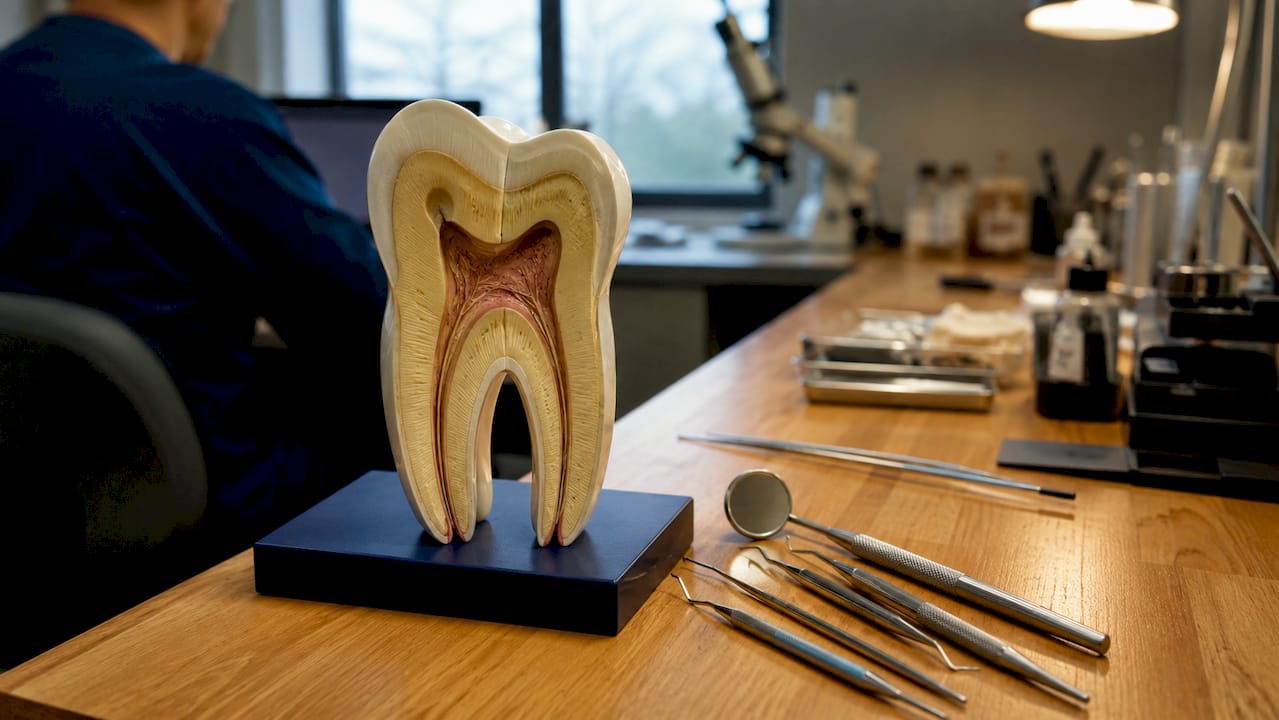
By age 50, enamel loss of roughly 0.4–0.6 mm alters how light passes through the tooth. Less light reflects back as white. More of the yellow dentin color becomes visible. This is why older teeth look dull even when they are perfectly clean.
| Age range | Enamel change | Visual effect |
|---|---|---|
| 20s–30s | Minimal thinning | Bright, white appearance |
| 40s–50s | 20–30% thickness loss | Noticeable yellow shift |
| 60s–70s | Significant translucency | 2–3 shades darker overall |
Pro Tip: If your teeth look yellow despite good hygiene, aging dentin is likely the cause. A dentist can confirm whether you are dealing with intrinsic or extrinsic discoloration before you invest in whitening products.
What external habits cause yellow teeth?
Extrinsic staining is the second major cause of tooth discoloration, and it is largely within your control. Dietary pigments from coffee, red wine, and berries bind to the protein film that coats enamel. Over time, those pigments accumulate into visible stains. Tea tannins bond especially strongly to enamel, and green tea stains are often more stubborn than coffee stains because of their higher tannin concentration.
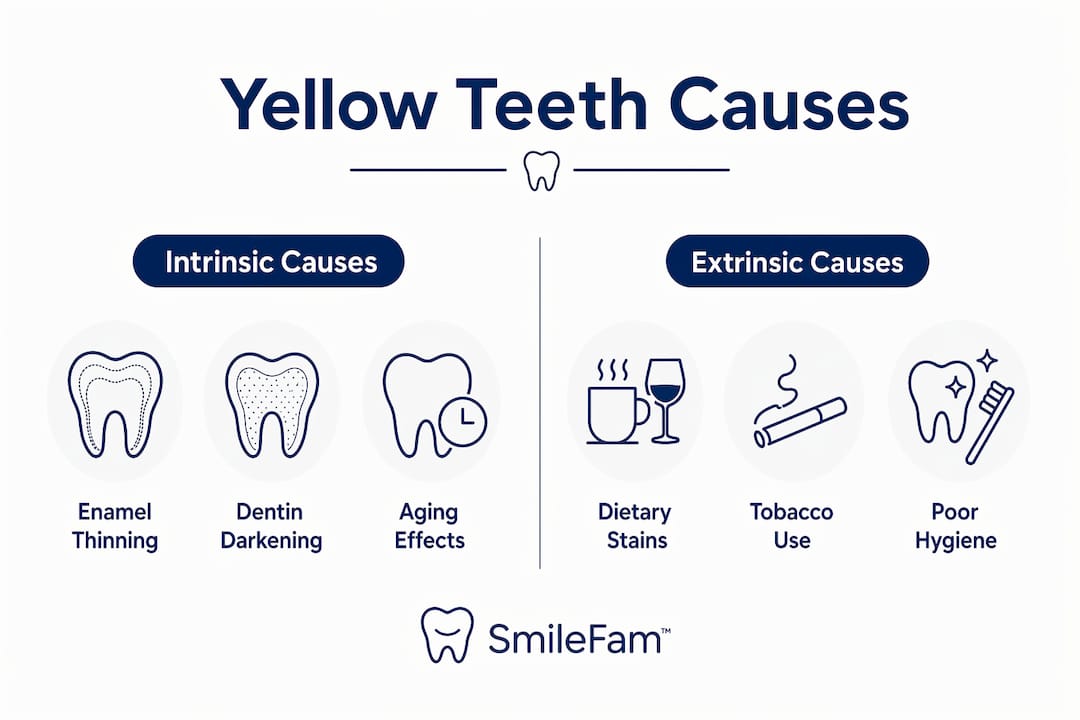
Tobacco is the most aggressive external staining agent. Both smoked and smokeless tobacco deposit tar and nicotine compounds directly into enamel pores, producing deep yellow and brown discoloration that resists standard brushing. The staining accelerates with every use and compounds over years.
Plaque is an underestimated contributor. Plaque buildup traps pigments and converts to tartar, causing visible yellowing even when enamel itself is unstained. Tartar is calcified plaque that no toothbrush removes. Once tartar forms, only a professional cleaning clears it. Poor oral hygiene therefore creates a cycle: plaque forms, pigments stick, tartar locks them in.
Here are the most common external causes ranked by staining intensity:
- Tobacco (smoked or smokeless): deepest, most permanent staining
- Coffee and black tea: daily accumulation, moderate to heavy staining
- Red wine: tannins and chromogens create purple-gray surface stains
- Green tea: tannins bond strongly and resist standard cleaning
- Berries and dark sauces: temporary but cumulative with frequent consumption
- Acidic foods and drinks: soften enamel surface, increasing pigment absorption
Pro Tip: Chewing sugar-free gum after meals boosts saliva production, which neutralizes acids and washes away loose pigments before they bond to enamel.
How to stop teeth from yellowing faster
Prevention is more effective than correction. The right daily habits protect enamel thickness and reduce pigment accumulation before stains become permanent. These steps are evidence-backed for reducing teeth staining and require no special equipment.
-
Brush twice daily for two minutes using fluoride toothpaste with 1,000–1,500 ppm fluoride. Fluoride strengthens enamel and slows mineral loss. Do not brush harder than necessary. Pressure does not improve cleaning and wears enamel faster.
-
Wait 30 minutes after acidic foods or drinks before brushing. Acids temporarily soften enamel. The “acid window” phenomenon means brushing during this period removes softened enamel rather than just plaque. Rinse with water instead, then brush later.
-
Rinse your mouth with water for 10–20 seconds immediately after staining foods or drinks. This simple step reduces pigment accumulation substantially by clearing loose chromogens before they bond to enamel.
-
Use a straw for pigmented, acidic beverages like iced coffee, cold brew, and fruit juices. Straws direct liquid past the front teeth, limiting direct enamel contact.
-
Floss daily to control plaque. Plaque between teeth hardens into tartar within 24–72 hours. Regular flossing reduces plaque and prevents the tartar buildup that traps staining pigments.
-
Avoid overly abrasive toothpastes. Aggressive brushing and abrasive pastes thin enamel, which paradoxically makes teeth look more yellow by exposing more dentin. Check the Relative Dentin Abrasivity (RDA) score on your toothpaste. Anything above 150 is considered high abrasion.
For a complete breakdown of daily habits for whiter teeth, Getsmilefam has a 2026 guide covering brushing, rinsing, and flossing routines in detail.
Natural methods vs. professional whitening: which works better?
The answer depends entirely on whether your yellowing is extrinsic or intrinsic. Extrinsic stains can be removed mechanically or with mild whitening. Intrinsic yellowing from dentin darkening requires professional intervention. Confusing the two is the most common reason people waste money on whitening products that do not work.
Natural methods produce real but limited results. Baking soda paste used 2–3 times weekly produces visible whitening in 10–14 days. Hydrogen peroxide rinses require 2–3 weeks. Oil pulling with coconut oil takes 4–6 weeks for modest effects. Across all natural methods, the typical improvement is 1–3 shade levels. That is meaningful for light extrinsic staining but insufficient for deeper discoloration.
Professional bleaching delivers 6–8 shade improvements, particularly in younger patients with thicker enamel. The contrast with natural methods is significant. For aging teeth with intrinsic dentin darkening, professional treatment is the only path to meaningful results.
| Method | Shade improvement | Time to results | Best for |
|---|---|---|---|
| Baking soda paste | 1–2 shades | 10–14 days | Light surface stains |
| Hydrogen peroxide rinse | 1–3 shades | 2–3 weeks | Moderate extrinsic stains |
| Oil pulling | 1–2 shades | 4–6 weeks | Plaque-related yellowing |
| At-home whitening kit | 3–5 shades | 1–2 weeks | Extrinsic and mild intrinsic |
| Professional bleaching | 6–8 shades | 1–2 sessions | Intrinsic and deep staining |
Oil pulling with coconut oil reduces plaque by 52% and gingivitis by 44% after 30 days. That plaque reduction contributes to the modest whitening effect. It is not a whitening treatment in the traditional sense. It is a plaque control method with a cosmetic side benefit.
One critical warning: whitening without enamel preservation can worsen overall tooth color. Whitening efforts that damage enamel expose more yellow dentin, creating the opposite of the intended result. For guidance on what is safe, Getsmilefam’s article on safe versus harsh whitening explains which ingredients protect enamel and which ones to avoid.
Key takeaways
Teeth yellow because of two distinct processes: enamel thinning that exposes yellow dentin, and surface staining from diet, tobacco, and plaque buildup.
| Point | Details |
|---|---|
| Enamel thins with age | Enamel loses 10–15 micrometers per year, revealing darker dentin beneath. |
| Intrinsic vs. extrinsic staining | Intrinsic yellowing requires professional treatment; extrinsic stains respond to daily care and mild whitening. |
| Plaque accelerates yellowing | Plaque traps pigments and hardens into tartar, causing discoloration independent of diet. |
| Prevention beats correction | Rinsing after staining foods, using straws, and flossing daily reduce yellowing before it starts. |
| Whitening has limits | Natural methods improve 1–3 shades; professional bleaching reaches 6–8 shades for deeper discoloration. |
What I have learned about yellow teeth that most articles get wrong
People come to me frustrated that their whitening strips are not working. Nine times out of ten, they are treating the wrong type of yellowing. They have intrinsic discoloration from decades of dentin darkening, and they are applying surface-level solutions. No whitening strip reaches inside the tooth. That is not a product failure. That is a mismatch between problem and solution.
The other mistake I see constantly is aggressive brushing. People assume harder brushing means cleaner, whiter teeth. The opposite is true. You are sanding down the very layer that makes your teeth look white. Once enamel is gone, it does not grow back. The yellowing that follows is permanent unless you pursue professional restoration.
My honest position is this: enamel preservation comes before cosmetic whitening, always. If you are not protecting your enamel through proper brushing technique, fluoride toothpaste, and the acid window rule, then whitening products are working against a problem you are actively making worse.
Consistency also matters more than intensity. A daily two-minute brush, a quick water rinse after coffee, and regular flossing will outperform a monthly whitening binge every time. The people with the brightest smiles at 60 are not the ones who whitened aggressively. They are the ones who protected their enamel for 40 years.
— Lenney
Getsmilefam’s enamel-safe whitening solutions
If you have identified the cause of your yellowing and you are ready to act on it, Getsmilefam offers products built specifically for people who want results without sacrificing enamel health. The BLU Teeth Whitening Kit uses BLU Whitening Technology developed in Singapore, delivering visible results without hydrogen peroxide or harsh chemicals. It is designed for sensitive gums and aging smiles.
For daily maintenance, the BLU Whitening Toothpaste gently brightens while protecting enamel thickness. If you are managing age-related yellowing specifically, the Getsmilefam seniors care page covers gentle, targeted options for older adults who need mild whitening without enamel risk.
FAQ
Why do teeth turn yellow even with regular brushing?
Regular brushing removes surface plaque but does not reverse enamel thinning or internal dentin darkening. Both processes cause yellowing that no toothbrush can address.
What causes teeth staining from coffee and tea?
Coffee and tea contain chromogens and tannins that bond to the protein film on enamel. Green tea tannins bond especially strongly and often require professional polishing to fully remove.
Can yellow teeth become white again?
Extrinsic stains from diet and plaque respond well to whitening treatments, improving 1–8 shades depending on the method. Intrinsic yellowing from dentin changes requires professional bleaching or dental veneers for significant color correction.
How do I stop teeth from yellowing faster as I age?
Use fluoride toothpaste, rinse with water after staining foods, avoid aggressive brushing, and wait 30 minutes after acidic drinks before brushing. These habits slow enamel wear and reduce pigment accumulation.
Is oil pulling an effective teeth whitening remedy?
Oil pulling with coconut oil reduces plaque by 52% after 30 days, which contributes to modest whitening. It works best as a plaque control method rather than a standalone whitening treatment.