

Teeth whitening is the process of lightening your natural tooth color using bleaching agents or abrasive compounds to remove surface and deep stains. This teeth whitening for beginners guide covers every safe, proven method available in 2026, from in-office treatments to at-home kits, so you can choose the right starting point without risking your enamel or triggering painful sensitivity. The American Dental Association recognizes both professional and over-the-counter whitening as safe when used correctly. The key word for beginners is “correctly.”
1. What are the safest teeth whitening options for beginners?
The three main whitening categories are professional in-office treatments, dentist-prescribed take-home kits, and over-the-counter products. Each works differently, costs differently, and suits different goals.
In-office professional whitening delivers the fastest results. In-office whitening can improve tooth shade by 6–10 shades in a single 60–90 minute session. That speed matters if you have an event coming up or simply want to see results immediately.
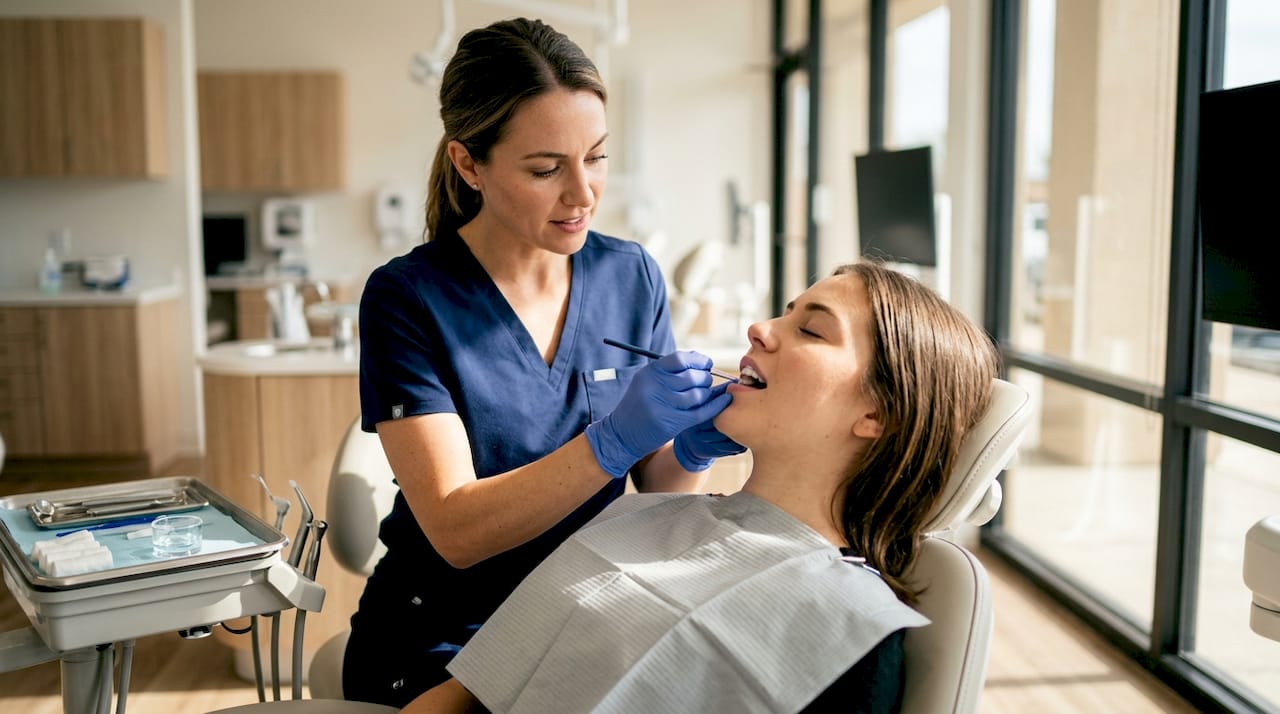
Take-home professional kits prescribed by a dentist use custom-fitted trays and gels with controlled peroxide concentrations. These typically deliver 4–8 shades of improvement over 2–4 weeks. The trays fit your teeth precisely, which reduces gum irritation compared to generic strips.
Over-the-counter products include whitening strips, whitening gels, and whitening toothpastes. These use lower concentrations of hydrogen peroxide or carbamide peroxide, so results are milder and take longer. They work well for maintaining brightness or achieving light improvement on a budget.
One critical fact beginners often miss: whitening only works on natural teeth. Crowns, veneers, and fillings do not respond to bleaching agents. If you have visible restorations on front teeth, whitening your natural teeth may create an uneven color match.
Pro Tip: Avoid DIY trends like activated charcoal or lemon juice. The Cleveland Clinic confirms that activated charcoal is abrasive and risks permanent enamel damage. Enamel does not grow back.
| Method | Shade Improvement | Time | Cost Range |
|---|---|---|---|
| In-office professional | 6–10 shades | 60–90 minutes | High |
| Take-home professional kit | 4–8 shades | 2–4 weeks | Moderate |
| OTC whitening strips | Mild | 2–6 weeks | Low |
| Whitening toothpaste | Surface stains only | Ongoing | Very low |
2. How to prepare for your first whitening treatment
A dental checkup before whitening is not optional. A dental exam rules out cavities and gum disease that would make whitening painful or unsafe. Bleaching gel entering a cavity causes sharp, lasting sensitivity. Treating the cavity first protects you and improves your results.
Once your dentist clears you, start using a desensitizing toothpaste one to two weeks before treatment begins. Desensitizing toothpastes containing potassium nitrate or nanohydroxyapatite block the tiny tubules in your teeth that transmit pain signals. Using one consistently before and during whitening significantly reduces discomfort.
Tell your dentist about any existing sensitivity. High-concentration gels above 6% hydrogen peroxide require professional supervision. Registered dental professionals apply these stronger gels safely with patient-specific guidance that accounts for your sensitivity level and tooth condition.
3. How to build a safe teeth whitening routine as a beginner
A consistent, gradual routine outperforms any single intense session. Dr. Grace Kahng confirmed in 2026 that doing a little every day beats one aggressive treatment. Your enamel needs recovery time between applications, and your results build steadily rather than spiking and fading.
Follow these steps to build a beginner whitening routine:
- Get a dental checkup. Confirm your teeth and gums are healthy before starting any whitening product.
- Use desensitizing toothpaste for 1–2 weeks. Apply it morning and night before your whitening treatment begins.
- Choose the right product for your sensitivity level. Lower peroxide concentration means less sensitivity and slower results. Start mild.
- Apply whitening treatments consistently. Follow the manufacturer’s schedule exactly. Skipping days slows results. Doubling up causes irritation.
- Avoid staining foods and drinks for 48 hours after treatment. Coffee, red wine, and dark sauces penetrate freshly treated enamel faster than usual.
- Do monthly touch-ups once you reach your target shade. Regular monthly touch-ups maintain brightness far better than waiting until stains return and repeating a full course.
- Quit or reduce smoking. Tobacco stains teeth faster than almost any food or drink and shortens the life of your whitening results significantly.
Pro Tip: Rinse with water immediately after drinking coffee or red wine. You cannot stop all staining, but rinsing within a few minutes reduces how much pigment bonds to your enamel.
For more on protecting your enamel throughout this process, the Getsmilefam guide on enamel protection during whitening covers the specifics in detail.
4. Common beginner mistakes and whitening myths to avoid
The biggest myth in teeth whitening is that whitening toothpaste changes your tooth color. Whitening toothpastes remove surface stains through mild abrasion and cleaning agents. They do not penetrate enamel to change intrinsic tooth color. If your teeth are naturally yellow beneath the surface, whitening toothpaste alone will not fix that.
Three other myths cause real damage:
- Charcoal whitens teeth safely. False. Activated charcoal is abrasive and wears down enamel over time. The Cleveland Clinic does not recommend it.
- Lemon juice or apple cider vinegar brightens teeth. False. Both are acidic and erode enamel permanently. Acid damage is irreversible.
- Whitening results are permanent. False. Professional whitening effects last 6–36 months depending on your diet, tobacco use, and oral hygiene habits. Maintenance is required.
“Powering through sensitivity during whitening is not dedication. It is a warning sign. Reduce frequency or concentration before you cause lasting nerve irritation.”
Beginners also frequently misunderstand what whitening can and cannot fix. Whitening removes extrinsic stains from coffee, tea, and tobacco. It lightens intrinsic discoloration caused by aging. It cannot fix gray tones from tetracycline antibiotics or trauma, which require veneers or bonding instead.
Avoiding harsh DIY whitening methods is one of the most protective decisions a beginner can make. The short-term savings are not worth permanent enamel loss.
5. How to choose the best whitening option for your lifestyle and budget
The right whitening method depends on four factors: your timeline, your budget, your sensitivity level, and your daily habits. Speed costs more. Gentleness takes longer. Neither is wrong.
For fast results before a specific event, in-office professional whitening is the clear choice. One session delivers dramatic improvement. The cost is higher, but the outcome is reliable and supervised.
For gradual improvement on a moderate budget, a dentist-prescribed take-home kit gives you professional-grade results at home. The custom trays minimize gum contact, which reduces irritation compared to strips.
For light maintenance or a tight budget, over-the-counter whitening strips or a quality whitening pen work well. These suit people who already have reasonably white teeth and want to maintain or slightly brighten their smile.
Consider these factors before deciding:
- Sensitivity history. If your teeth ache with cold drinks, start with the lowest peroxide concentration available.
- Diet and lifestyle. Heavy coffee drinkers and smokers need more frequent maintenance regardless of which method they choose. The Getsmilefam guide on lifestyle and whiter teeth explains how daily habits directly affect how long results last.
- Existing dental work. Visible crowns or veneers on front teeth may look mismatched after whitening natural teeth. Discuss this with your dentist first.
- Time commitment. OTC strips require consistent daily use for weeks. In-office treatment requires one appointment. Take-home kits fall in between.
The benefits of at-home whitening are real, especially for people who want flexibility and lower cost. The tradeoff is that results take longer and require more discipline to maintain.
Key takeaways
Safe, consistent whitening using dentist-approved methods and desensitizing toothpaste delivers the best long-term results for beginners without risking enamel damage.
| Point | Details |
|---|---|
| Get a dental checkup first | Rule out cavities and gum disease before applying any whitening product. |
| Match the method to your goal | In-office for speed, take-home kits for balance, OTC strips for light maintenance. |
| Use desensitizing toothpaste | Start potassium nitrate or nanohydroxyapatite toothpaste 1–2 weeks before treatment. |
| Avoid DIY acid and abrasive trends | Charcoal, lemon juice, and vinegar permanently damage enamel and are not worth the risk. |
| Maintain results monthly | Regular monthly touch-ups keep your shade consistent better than repeating full courses. |
What I’ve learned from watching beginners get whitening wrong
The most common mistake I see is skipping the dental checkup because someone is in a hurry. They buy a whitening kit, apply it to a tooth with an undetected cavity, and spend the next week in pain. The checkup takes 30 minutes. The pain lasts much longer.
The second mistake is chasing the fastest result at the highest concentration. Beginners assume more peroxide equals better whitening. What it actually equals is more sensitivity, more irritation, and sometimes uneven results because the gel sits unevenly on teeth that were not properly prepared.
What actually works is boring: consistent low-to-moderate concentration treatments, a desensitizing toothpaste used daily, and realistic expectations about how many shades you can achieve. Most people with naturally yellowish teeth can realistically reach a noticeably brighter shade. Almost nobody reaches the bright white seen in ads without veneers.
My honest recommendation is to start with a product that uses an enamel-safe formula, follow the schedule exactly, and give it at least three weeks before judging the results. Patience here is not weakness. It is the approach that protects your teeth while actually delivering the brightness you want.
— Lenney
Getsmilefam’s beginner-friendly whitening options
Starting your whitening routine does not require a dentist visit or a high budget. Getsmilefam offers products built specifically for people new to whitening who want results without the risk of harsh chemicals.
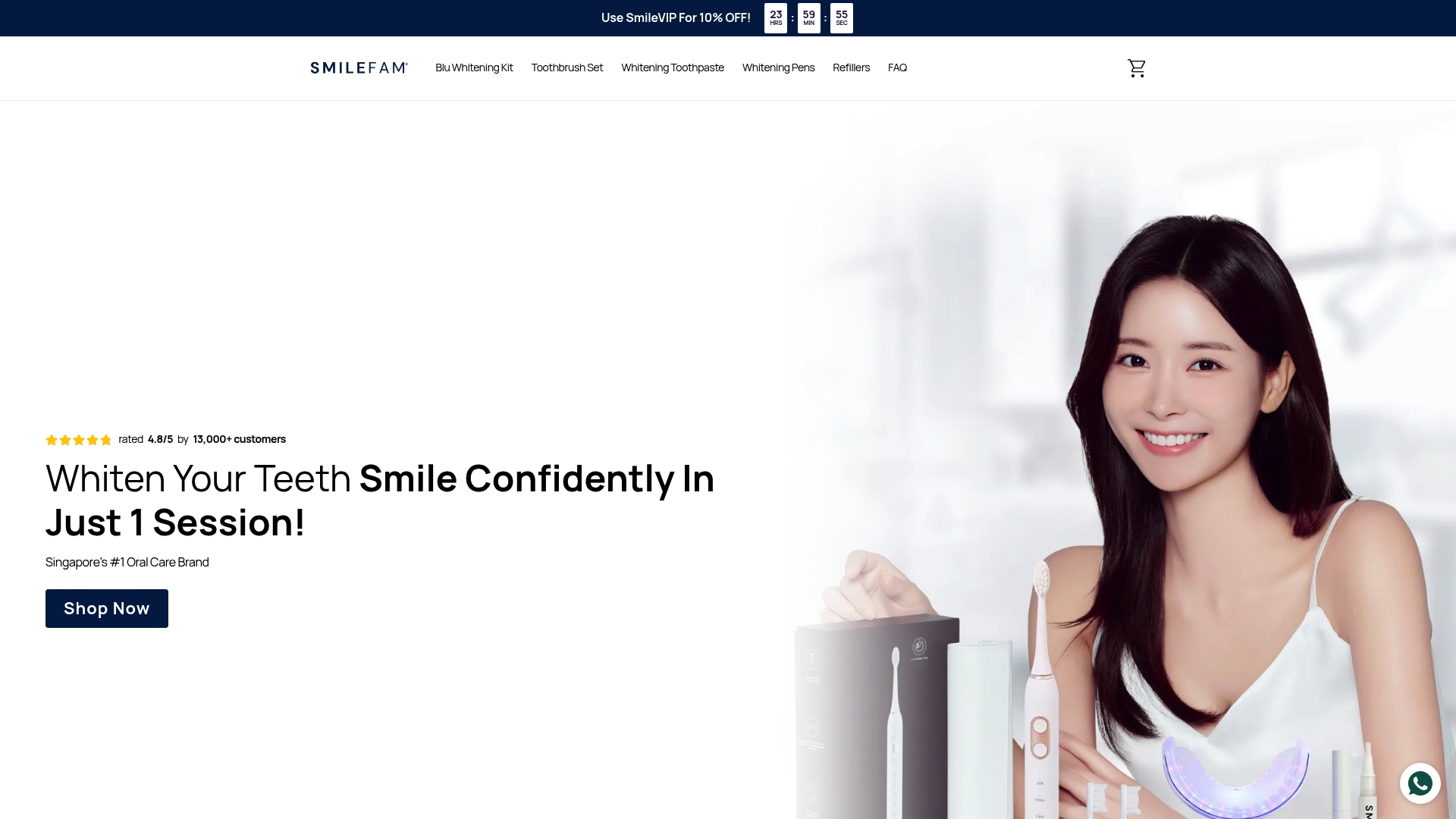
The Snow Serum™ Whitening Pen uses an enamel-safe formula without hydrogen peroxide, making it a practical first step for anyone with sensitivity concerns. The BLU Whitening Toothpaste works as a daily companion to any whitening routine, helping maintain brightness between treatments. For those who want everything in one place, the Premium Travel Kit keeps your routine consistent whether you are at home or traveling. All Getsmilefam products are developed with lab-approved ingredients and backed by a customer satisfaction guarantee.
FAQ
How long does teeth whitening last for beginners?
Professional whitening results last 6–36 months depending on diet, tobacco use, and oral hygiene. Monthly touch-up treatments extend results significantly.
Is teeth whitening safe for sensitive teeth?
Whitening is safe for sensitive teeth when you use lower peroxide concentrations and desensitizing toothpaste containing potassium nitrate or nanohydroxyapatite before and during treatment.
Can whitening strips damage enamel?
Whitening strips used as directed do not damage enamel. Overuse or using strips with very high peroxide concentrations without dental guidance increases the risk of enamel erosion and sensitivity.
Do whitening toothpastes actually whiten teeth?
Whitening toothpastes remove surface stains through mild abrasion but do not change intrinsic tooth color. They work best as a maintenance tool alongside a proper whitening treatment.
Should beginners see a dentist before whitening?
A dental checkup before whitening is strongly recommended. A dental exam identifies cavities and gum issues that would make whitening painful or unsafe to begin.