

Teeth whitening is defined as any process that lightens the color of your teeth through chemical bleaching or physical stain removal, using agents like carbamide peroxide or hydrogen peroxide. According to Johns Hopkins Medicine, whitening can be performed in a dental office, through dentist-provided take-home trays, or with over-the-counter products. The results range from subtle brightening to dramatic shade changes depending on the method, concentration, and your tooth structure. Understanding the full picture before you choose a product protects both your smile and your enamel.
What is teeth whitening and how does it work chemically?
Teeth whitening works by releasing oxygen molecules from peroxide compounds, which penetrate the enamel and break apart the carbon bonds that create stain discoloration. This oxidation reaction targets pigmented molecules inside the tooth structure, not just surface buildup. The result is a lighter tooth color that reflects more light, creating the appearance of a brighter smile.
There are two distinct types of stains that whitening addresses differently:
- Extrinsic stains sit on the outer enamel surface and come from coffee, tea, red wine, and tobacco. Physical abrasives and lower-concentration peroxide gels handle these effectively.
- Intrinsic stains are embedded within the dentin layer, often caused by aging, certain antibiotics like tetracycline, or excessive fluoride exposure during tooth development. These require chemical bleaching with higher peroxide concentrations and longer treatment times.
- Oxidation bleaching is the mechanism behind both in-office and at-home treatments. Hydrogen peroxide breaks down faster and penetrates more aggressively. Carbamide peroxide releases hydrogen peroxide more slowly, which reduces the rate of enamel exposure.
- Sensitivity and gum irritation are the two most reported side effects. Peroxide interacts with tooth structure by temporarily opening dentinal tubules, which allows temperature and pressure signals to reach the nerve more easily.
Pro Tip: If you experience sensitivity during whitening, switch to a lower-concentration product and space out your sessions. Sensitivity is a signal to slow down, not push through.
What are the main teeth whitening methods and how do they compare?
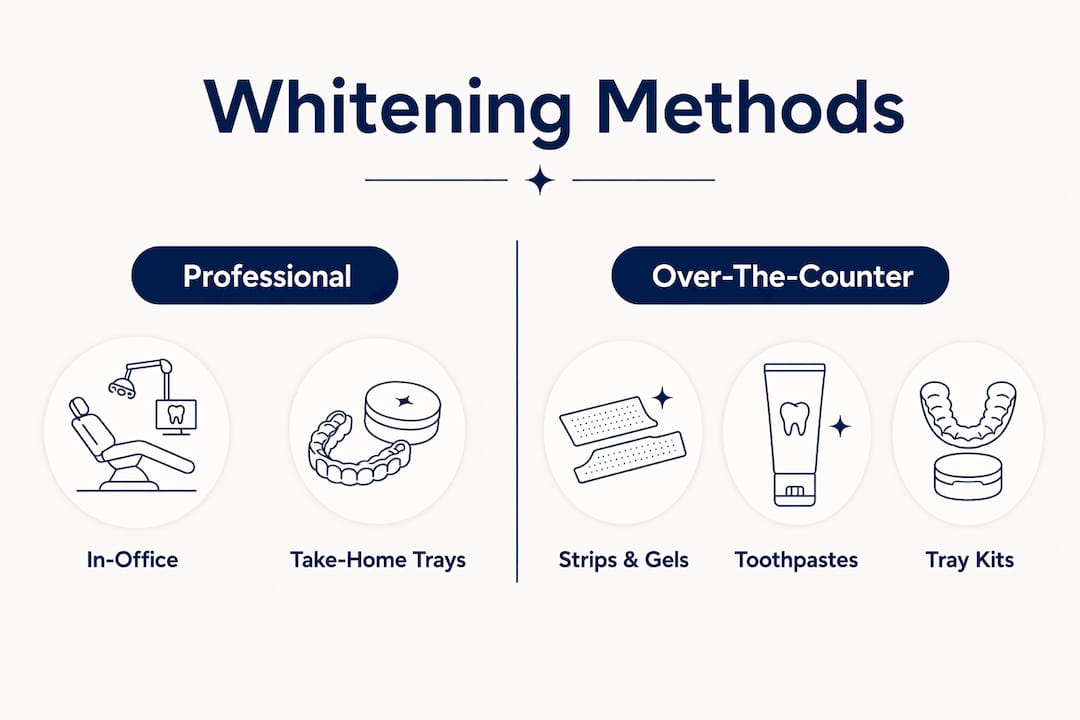
Professional in-office whitening, dentist-prescribed take-home trays, and over-the-counter products each occupy a different position on the cost, speed, and safety spectrum. Knowing the differences helps you match the method to your actual situation.
In-office professional whitening
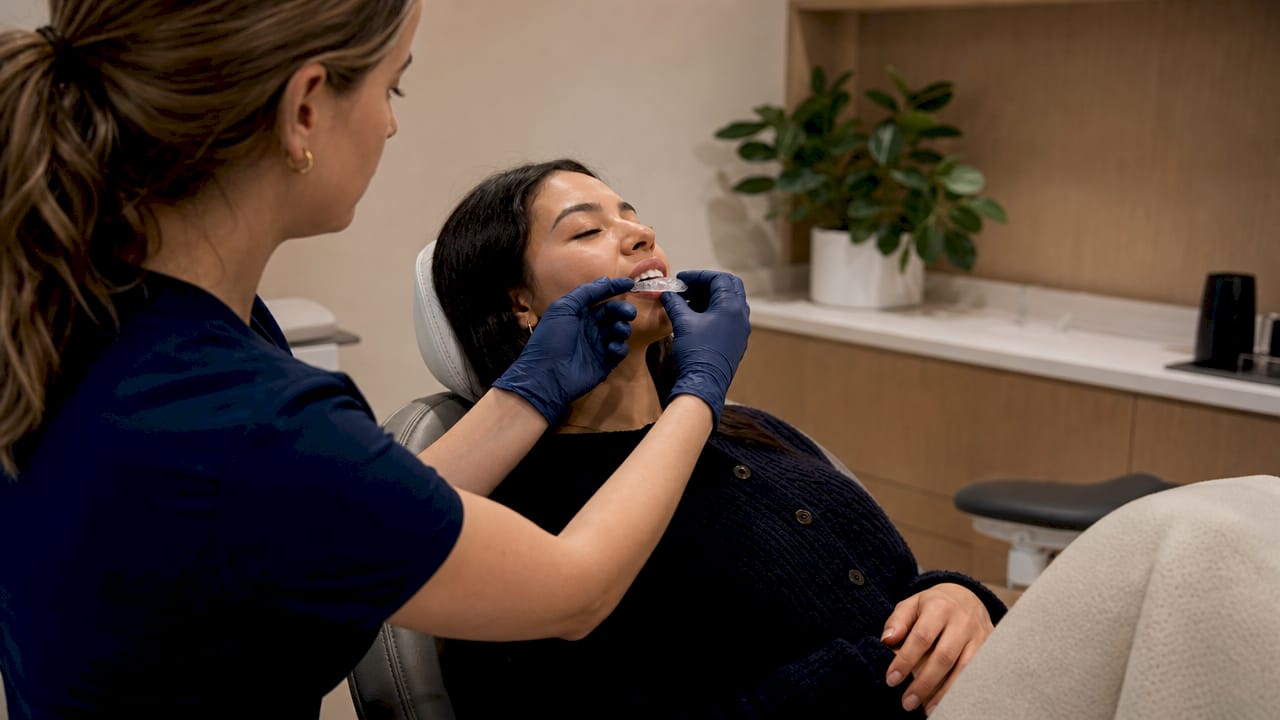
In-office treatments use high-concentration hydrogen peroxide gels, often activated with LED or laser light to accelerate the oxidation process. Professional whitening lightens teeth 2 to 8 shades, with most patients seeing 2 to 4 shade improvements in a single session. That speed is the primary advantage. The cost ranges from $600 to $1,000 per session, and results typically last 6 to 12 months with proper maintenance. A dentist monitors the process throughout, which significantly reduces the risk of gum damage or enamel overexposure.
Dentist-prescribed take-home trays
Custom-fit take-home trays use professional-strength carbamide peroxide gel molded precisely to your teeth, which minimizes gel contact with gum tissue. You wear them 30 to 60 minutes daily over one to two weeks. The results are comparable to in-office treatments, but the process is slower and more convenient for people with busy schedules. The custom fit is the key differentiator from anything you buy off a shelf.
Over-the-counter options
OTC products include whitening strips, paint-on gels, whitening toothpastes, and tray kits available at pharmacies. They use lower peroxide concentrations, which makes them safer for unsupervised use but less effective on deep or intrinsic stains. The ADA and Johns Hopkins Medicine caution that some OTC kits are too abrasive or are used incorrectly, leading to enamel damage over time. Cost is the main advantage, typically ranging from $20 to $100.
| Method | Peroxide strength | Typical cost | Shades gained | Time to results |
|---|---|---|---|---|
| In-office professional | High (25%–40%) | $600–$1,000 | 2–8 shades | 1 session |
| Dentist take-home trays | Moderate (10%–22%) | $200–$500 | 2–6 shades | 1–2 weeks |
| OTC strips and gels | Low (3%–10%) | $20–$100 | 1–3 shades | 2–4 weeks |
| Whitening toothpaste | Abrasive only | $5–$20 | Surface only | Ongoing |
The table makes one thing clear: speed and strength come at a price, both financially and in terms of enamel exposure risk.
Is teeth whitening safe, and what are the real risks?
Teeth whitening is safe when used correctly and at appropriate concentrations, but the margin for error narrows as peroxide strength increases. Clinical studies comparing chairside bleaching protocols confirm that all high-concentration bleaching produces visible whitening, but higher peroxide gels cause greater enamel hardness loss and carbonate depletion. That trade-off is the central safety concern in professional whitening.
The most common side effects are tooth sensitivity and gum irritation. Sensitivity occurs because peroxide temporarily opens the dentinal tubules that connect the outer enamel to the inner nerve. Clinical trials on in-office bleaching found that effective whitening occurs across low, medium, and high hydrogen peroxide concentrations, but higher concentrations significantly increase the rate of sensitivity. This means you do not need the strongest formula to get good results.
| Risk factor | Cause | Prevention strategy |
|---|---|---|
| Tooth sensitivity | Peroxide opens dentinal tubules | Use lower concentration; space out sessions |
| Gum irritation | Gel contact with soft tissue | Custom trays; careful gel application |
| Enamel hardness loss | High-concentration peroxide exposure | Limit session frequency; use remineralizing products |
| Carbonate depletion | Extended bleaching duration | Follow recommended exposure times strictly |
Post-whitening remineralization is a step most people skip entirely. Nano-hydroxyapatite applied after bleaching infiltrates enamel microcracks and dentinal tubules, restoring structural integrity and reducing hypersensitivity. Products containing nano-hydroxyapatite or fluoride used immediately after whitening sessions meaningfully reduce the recovery time for enamel.
Pro Tip: Apply a fluoride or nano-hydroxyapatite toothpaste immediately after each whitening session. This gives your enamel the minerals it needs to recover before your next treatment.
Dentists manage sensitivity by adjusting peroxide concentration and exposure time for each patient rather than applying a one-size-fits-all protocol. That individualized approach is the clearest argument for professional oversight, especially if you have a history of sensitivity or thin enamel. You can also explore avoiding sensitivity during whitening with targeted strategies before you start any treatment.
How to choose the right whitening method for your needs
Choosing the right teeth whitening method comes down to four variables: the type of stain you have, your sensitivity level, your budget, and how quickly you want results. Working through these in order prevents wasted money and unnecessary discomfort.
-
Identify your stain type first. Extrinsic stains from food and drink respond well to OTC strips or whitening toothpastes. Intrinsic stains from aging or medication require professional-grade bleaching. If you are unsure, a dentist can assess your tooth shade against a standard shade guide in one appointment.
-
Assess your sensitivity history. If your teeth already react to cold drinks or air, start with the lowest available concentration and extend the treatment duration rather than increasing strength. Rushing the process with high-concentration products on sensitive teeth creates a painful cycle that discourages consistent use.
-
Set a realistic budget. Professional in-office whitening delivers the fastest and most dramatic results, but the $600 to $1,000 cost is not accessible for everyone. Dentist-provided take-home trays offer a middle ground at $200 to $500. OTC products are the entry point, but they require realistic expectations about the degree of change possible.
-
Factor in your schedule. In-office treatments take about an hour. Take-home trays require daily commitment for one to two weeks. OTC strips need consistent application over three to four weeks. Inconsistency is the most common reason whitening results disappoint.
-
Plan for maintenance. Tooth shade affects psychosocial well-being and patient satisfaction, but results fade without upkeep. Avoiding staining foods and beverages after treatment, using a whitening toothpaste for maintenance, and scheduling periodic touch-ups extend your results significantly. A practical guide on foods to avoid after whitening can help you protect your investment.
For readers interested in gentler alternatives, natural at-home whitening methods offer a lower-risk starting point, though they work primarily on surface stains and produce more gradual results.
Key takeaways
Teeth whitening is safe and effective when the method matches the stain type, concentration is appropriate for your sensitivity level, and remineralization is part of the routine.
| Point | Details |
|---|---|
| Core mechanism | Peroxide oxidation breaks stain bonds in enamel and dentin to lighten tooth color. |
| Method selection | Match the method to stain type: OTC for surface stains, professional for intrinsic discoloration. |
| Safety trade-off | Higher peroxide concentration increases whitening speed but raises enamel hardness loss and sensitivity risk. |
| Post-treatment care | Nano-hydroxyapatite or fluoride products after each session restore enamel and reduce sensitivity. |
| Maintenance matters | Results last 6 to 12 months with professional treatment; consistent upkeep extends that window. |
Why I think most people approach whitening backwards
Most people start with the product and work backward to justify it. They see a whitening kit, decide they want whiter teeth, and buy it without knowing whether their stains are extrinsic or intrinsic, whether their enamel can handle the concentration, or whether they are even good candidates for bleaching at all.
I have seen this pattern play out repeatedly. Someone uses a high-strength OTC strip for two weeks, gets sensitivity so bad they stop, and concludes that whitening does not work for them. The product was not the problem. The protocol was. They needed a lower concentration over a longer period, not the strongest formula on the shelf.
The other mistake I see is treating whitening as a one-time event. You get a dramatic result, feel great about it, and then go back to drinking coffee every morning without any maintenance routine. Six months later, the staining is back and the cycle repeats. The real value of professional whitening is not just the initial result. It is the individualized protocol and the follow-up plan that a dentist builds around your specific teeth.
My honest recommendation: get a shade assessment from a dentist before you spend a dollar on any product. Knowing whether your discoloration is intrinsic or extrinsic takes five minutes and changes everything about which product is worth your money. If you have sensitive teeth, look specifically at safe whitening options for sensitive smiles before committing to any protocol. The cosmetic benefit is real. Patients who achieve their target shade report measurably better self-esteem and oral health quality of life. That outcome is worth pursuing carefully, not impulsively.
— Lenney
Get a brighter smile with Getsmilefam’s whitening solutions
If you are ready to act on what you have learned, Getsmilefam offers professional-grade whitening designed for real results at home. The BLU Teeth Whitening Kit uses proprietary BLU Whitening Technology developed in Singapore, with an enamel-safe, hydrogen-peroxide-free formula that delivers visible results in a single session without the sensitivity risk of conventional bleaching agents.
For daily maintenance, the BLU Whitening Toothpaste keeps your results fresh between treatments using lab-approved ingredients safe for sensitive gums. Every Getsmilefam product comes with a 1-year warranty and dedicated customer support. Browse the full range at Getsmilefam and find the option that fits your whitening goals and sensitivity needs.
FAQ
What is teeth whitening exactly?
Teeth whitening is any process that lightens tooth color through chemical bleaching or physical stain removal, using agents like carbamide peroxide or hydrogen peroxide to break apart pigmented molecules in the enamel and dentin.
How many shades can teeth whitening realistically achieve?
Professional in-office whitening typically delivers 2 to 8 shade improvements, with most patients seeing 2 to 4 shades in a single session. OTC products produce more modest results, usually 1 to 3 shades over several weeks.
Is teeth whitening safe for enamel?
Whitening is safe at appropriate concentrations and exposure times, but high-concentration peroxide gels can reduce enamel hardness with repeated use. Using remineralizing products like nano-hydroxyapatite or fluoride after each session restores enamel integrity.
What causes tooth sensitivity after whitening?
Sensitivity occurs because peroxide temporarily opens dentinal tubules, allowing external stimuli to reach the tooth nerve more easily. Dentists manage this by reducing concentration, shortening exposure time, and applying desensitizing treatments between sessions.
How long do teeth whitening results last?
Professional whitening results last 6 to 12 months with proper maintenance, including avoiding staining foods and beverages and using a whitening toothpaste for upkeep. Touch-up treatments extend the results further.